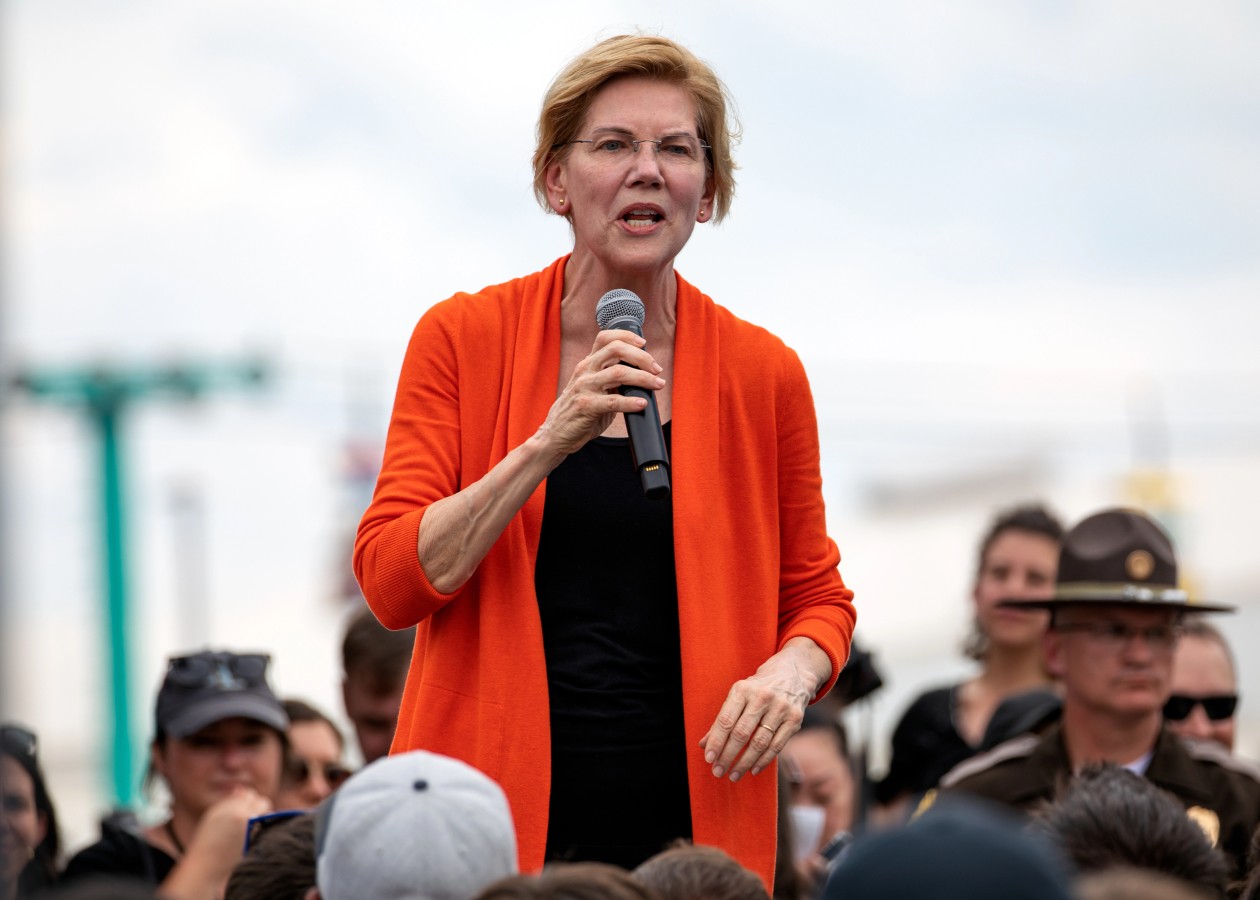


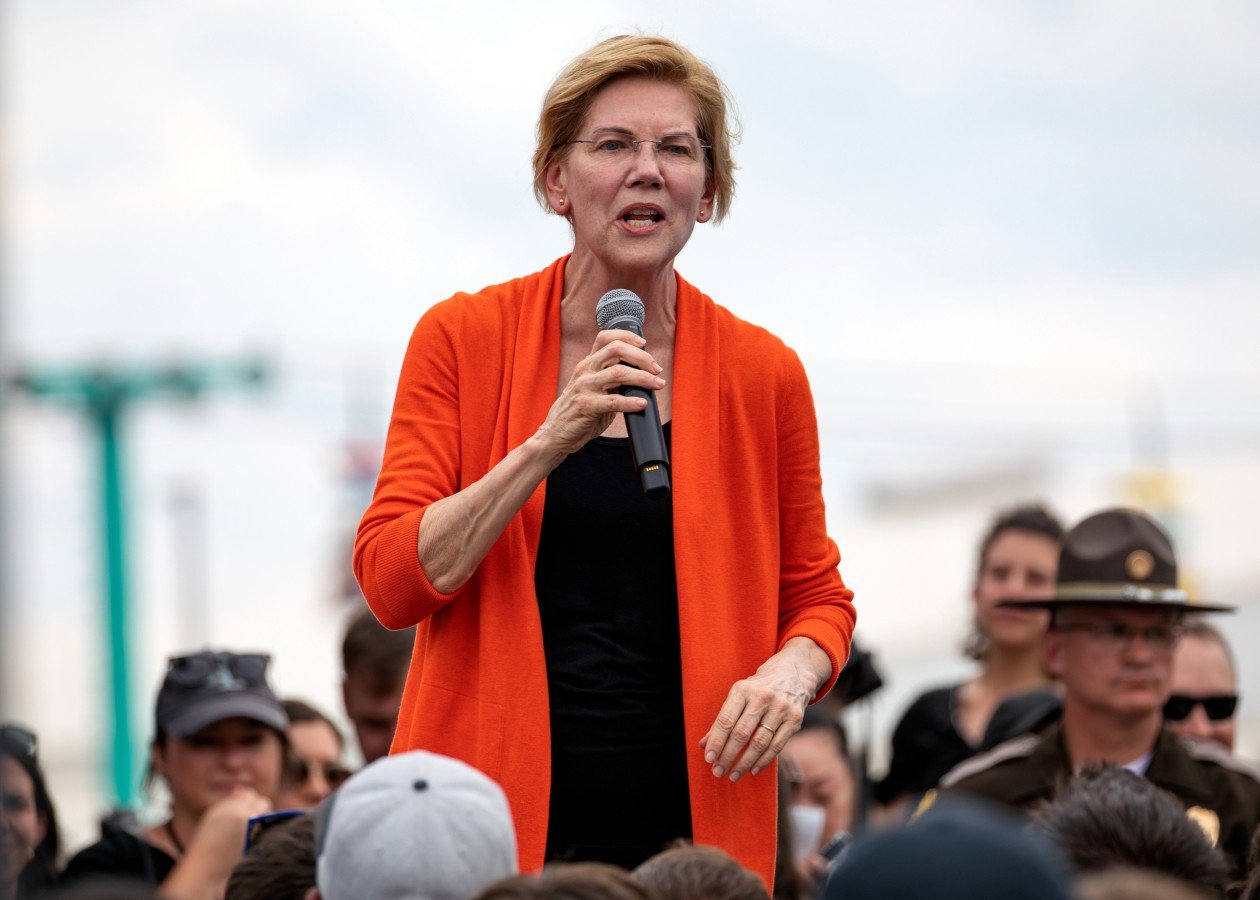
One year after the Trump administration assumed control of the Consumer Financial Protection Bureau, a new report, prepared by the office of Elizabeth Warren claims the agency’s pullback from enforcement and regulation has come at a steep cost to consumers. According to estimates cited by lawmakers and advocates, Americans may have lost out on at least $19 billion in financial relief during that period.
Report alleges $19 billion in lost consumer relief
The report, prepared by the office of Elizabeth Warren and shared ahead of its release, argues that reduced oversight and enforcement directly harmed consumers. It attributes the losses to abandoned protections, stalled investigations, and dismissed lawsuits that would have otherwise resulted in financial restitution.
“Trump’s attempt to sideline the CFPB has cost families billions of dollars over the last year alone,” said Warren, the top Democrat on the Senate Banking Committee, as well as one of the bureau’s fiercest defenders in Congress.
Her comments reflect broader concerns among Democrats and consumer advocates who see the bureau as a critical safeguard against abusive financial practices.
Republicans defend downsizing the agency
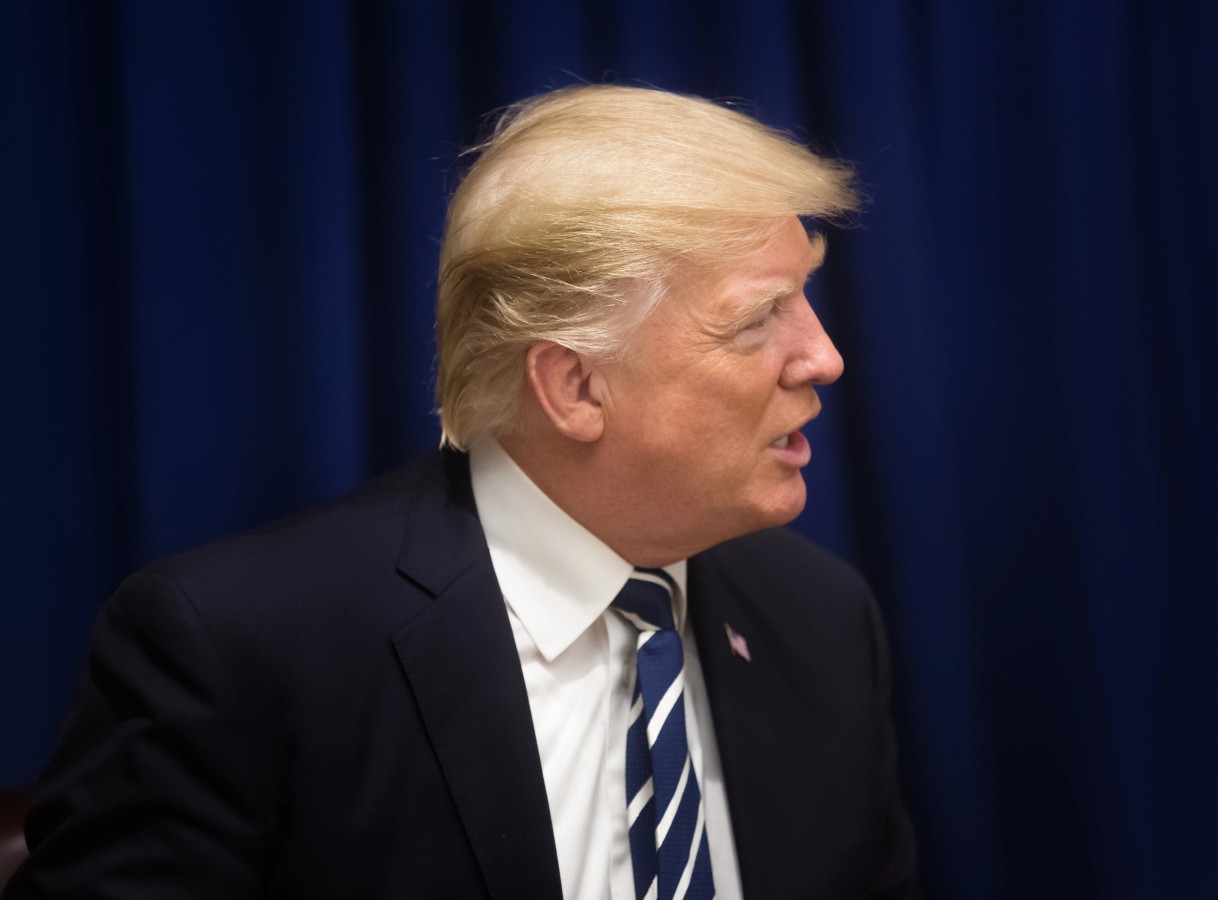
The Trump administration and congressional Republicans have defended their actions, arguing that the CFPB had become overly large and burdensome. They say scaling back the agency was necessary to reduce regulatory overreach and improve efficiency within the financial system.
The administration took control of the CFPB in February 2025 after former director Rohit Chopra resigned. Russell Vought, the White House budget director, stepped in as acting director, ushering in sweeping operational changes.
Since then, the bureau has opened few new investigations, halted work for many employees, and dropped multiple enforcement actions against financial institutions.
Staffing cuts and budget reductions add pressure

The White House proposed cutting the CFPB’s workforce from 1,689 employees to just 207, though courts have blocked that move for now. Even so, Congress reduced the agency’s budget by roughly half through Trump’s legislative agenda, raising concerns about its long-term capacity.
Ongoing litigation between employees and leadership could determine how many staff ultimately remain.
Consumer advocates warn agency is “essentially on life support.”
Advocates argue that the agency’s diminished role leaves consumers more vulnerable to financial misconduct.
Among the most significant losses cited in the report is the rollback of a cap on overdraft fees. The policy, finalized in 2024, was projected to save consumers $5 billion annually but was overturned by Congress.
Similarly, a proposed rule to limit credit card late fees; estimated to save Americans $10 billion; was blocked in court. The CFPB, under new leadership, chose not to continue defending the rule.
Dropped lawsuits reduced potential relief

The report also highlights roughly $4 billion in lost relief tied to abandoned legal actions. Cases against major financial firms were dismissed, including a lawsuit against Capital One alleging misleading savings account interest rates.
Another case against Early Warning Services, the company behind Zelle, sought $870 million over alleged failures to protect consumers from fraud. That case was also dropped.
Sharp decline in consumer complaint resolutions

The CFPB’s consumer complaint system has also seen a steep drop in effectiveness. Under prior leadership, about half of complaints resulted in consumer relief. That figure has now fallen to less than 5%, according to the report.
This decline has raised concerns about whether consumers still have meaningful recourse when disputes arise with financial institutions.
GAO report highlights lack of transparency

A separate report from the Government Accountability Office found it difficult to assess the full scope of the CFPB’s restructuring. The agency said it received little cooperation from the White House or CFPB officials and had to rely largely on public information.
In response, CFPB officials cited ongoing litigation as the reason for limited engagement.
CFPB leadership pushes back on criticism

Mark Paoletta, the bureau’s chief legal officer, criticized the GAO’s findings, calling the report “biased and flawed.” He argued that the agency was working with incomplete information, though he did not identify specific inaccuracies.
Uncertain future for consumer protection

As legal battles continue and policy debates intensify, the future of the CFPB remains uncertain. With reduced staffing, fewer enforcement actions, and ongoing political division, the agency’s role in protecting consumers is likely to remain a central issue in Washington.
Like Financial Freedom Countdown content? Be sure to follow us!
Zillow Identifies 7 U.S. Cities Where Buyers Now Hold the Most Leverage

The real estate landscape is shifting as we enter 2026, offering new opportunities for those who have been waiting on the sidelines. According to Zillow’s latest analysis, Indianapolis has emerged as the most buyer-friendly housing market in the United States. This ranking highlights a significant trend: while coastal hubs remain financially out of reach for many, “opportunity metros” are providing home shoppers with the breathing room and affordability they need to secure long-term value.
Zillow Identifies 7 U.S. Cities Where Buyers Now Hold the Most Leverage
Ray Dalio Warns World Is ‘On the Brink’ of a Capital War; Says Gold Is the Safest Money

Billionaire hedge fund manager Ray Dalio is warning that global tensions are shifting beyond traditional geopolitical conflicts and entering a new era where money itself becomes a weapon. The Bridgewater Associates founder said the world is not just facing a cold war or trade war, but a looming “capital war” in which nations could use financial leverage to pressure rivals. Dalio made the remarks during an interview at the World Governments Summit in Dubai, cautioning that escalating political and economic tensions could disrupt global markets and investment flows. Dalio described a scenario where countries could attack each other by controlling the flow of capital, particularly through debt ownership and financial sanctions. Such financial warfare, he warned, could create severe market instability and alter how investors and governments manage their money.
Ray Dalio Warns World Is ‘On the Brink’ of a Capital War; Says Gold Is the Safest Money
Did you find this article helpful? We’d love to hear your thoughts! Leave a comment with the box on the left-hand side of the screen and share your thoughts.
Also, do you want to stay up-to-date on our latest content?
1. Follow us by clicking the [+ Follow] button above,
2. Give the article a Thumbs Up on the top-left side of the screen.
3. And lastly, if you think this information would benefit your friends and family, don’t hesitate to share it with them!

John Dealbreuin came from a third world country to the US with only $1,000 not knowing anyone; guided by an immigrant dream. In 12 years, he achieved his retirement number.
He started Financial Freedom Countdown to help everyone think differently about their financial challenges and live their best lives. John resides in the San Francisco Bay Area enjoying nature trails and weight training.
Here are his recommended tools
Personal Capital: This is a free tool John uses to track his net worth on a regular basis and as a retirement planner. It also alerts him wrt hidden fees and has a budget tracker included.
Platforms like Yieldstreet provide investment options in art, legal, real estate, structured notes, venture capital, etc. They also have fixed-income portfolios spread across multiple asset classes with a single investment with low minimums of $10,000.