



U.S. consumer prices rose 2.7% in December from a year earlier, unchanged from November and right in line with economists’ expectations.
The steady reading capped a year in which inflation cooled gradually, easing fears that price pressures would reaccelerate at the end of 2025 despite new tariffs and political uncertainty.
Tariff Fears Fade as Price Pass-Through Stays Muted
One of the biggest inflation fears last spring was that President Trump’s tariffs would sharply push up consumer prices. Instead, December’s data showed the impact has been relatively contained, with many companies absorbing higher costs or raising prices slowly rather than passing them fully on to consumers.
Core Inflation Offers Reassurance to Policymakers

Excluding volatile food and energy prices, core inflation rose 2.6% over the year, matching November and coming in cooler than forecasts. That stability strengthens the case that underlying inflation pressures are no longer intensifying, even if progress back to the Fed’s 2% target remains incomplete.
Fed Gets Breathing Room After Rate Cuts

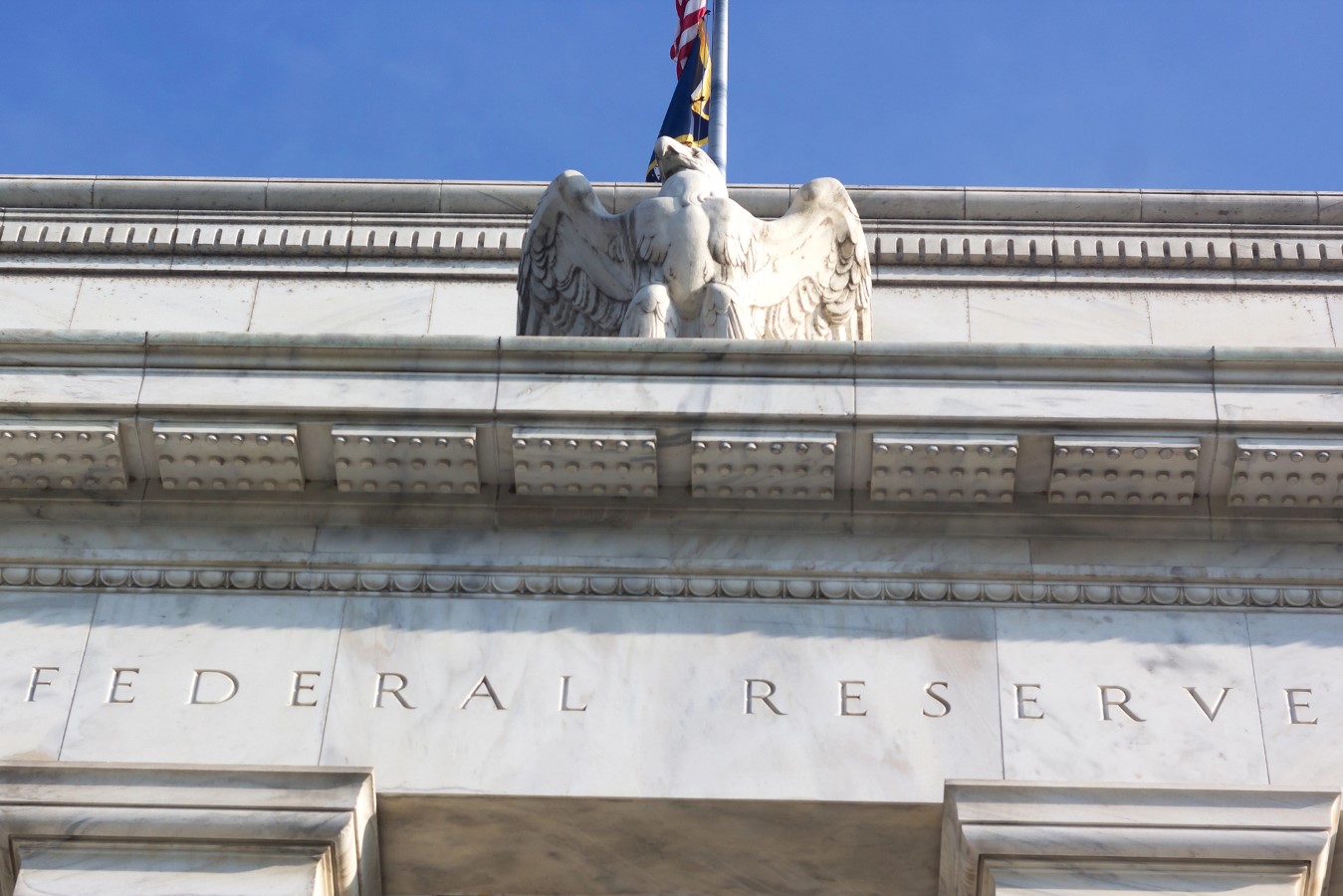
The December report offers relief to Federal Reserve officials who cut interest rates at their last three meetings in 2025. With inflation no longer accelerating, policymakers have signaled they plan to hold rates steady for now while they reassess risks to the economy.
Focus Shifts Toward a Cooling Labor Market

With inflation showing signs of leveling off, attention is increasingly turning to the labor market. Job growth slowed sharply in 2025, marking the weakest pace outside of recent recessions, and economists say the Fed may now feel freer to focus on employment risks.
Workers Feel the Squeeze as Real Pay Slips

Underscoring household strain, average weekly earnings fell 0.3% in December after adjusting for inflation. Slower hiring and softer wage growth have left many workers anxious, even as headline inflation data points to stability rather than crisis.
Food, Rent, and Healthcare Keep Affordability in the Spotlight

While overall inflation stayed moderate, everyday costs remain high. December saw increases in rent, airline fares, and medical services, while food prices jumped 0.7% on the month; the biggest increase in more than three years keeping affordability a top concern for families.
Gas and Used Cars Offer Some Relief

Not all prices moved higher. Gasoline costs declined in December, and prices for used cars and trucks also fell, providing pockets of relief for consumers facing higher bills elsewhere.
Trump Claims Victory, Renews Attacks on the Fed

President Trump hailed the inflation report as a win, crediting tariffs for the results and renewing criticism of Fed Chair Jerome Powell for not cutting rates faster. The data landed amid an unusually public feud between the White House and the central bank over monetary policy and independence.
Markets Take the Data in Stride

Financial markets reacted calmly to the report. Major stock indexes were mostly flat after an initial bounce, while Treasury yields edged lower, signaling investors see little reason for the Fed to rush into further rate cuts.
What Comes Next: January Data Looms Large
Economists caution that inflation often ticks up early in the year as businesses reset prices. Fed officials are likely to wait for January and February reports before deciding whether inflation is truly settling; or whether new price pressures could complicate plans for future rate cuts.
A Split-Screen Economy Heading Into 2026

The December CPI underscores a divided economic picture: inflation that is contained but still above target, a labor market that is cooling but not collapsing, and consumers who remain burdened by high living costs. For the Fed and the White House alike, the challenge in 2026 will be balancing price stability with growing concerns about jobs and affordability.
Like Financial Freedom Countdown content? Be sure to follow us!

Did you find this article helpful? We’d love to hear your thoughts! Leave a comment with the box on the left-hand side of the screen and share your thoughts.
Also, do you want to stay up-to-date on our latest content?
1. Follow us by clicking the [+ Follow] button above,
2. Give the article a Thumbs Up on the top-left side of the screen.
3. And lastly, if you think this information would benefit your friends and family, don’t hesitate to share it with them!

John Dealbreuin came from a third world country to the US with only $1,000 not knowing anyone; guided by an immigrant dream. In 12 years, he achieved his retirement number.
He started Financial Freedom Countdown to help everyone think differently about their financial challenges and live their best lives. John resides in the San Francisco Bay Area enjoying nature trails and weight training.
Here are his recommended tools
Personal Capital: This is a free tool John uses to track his net worth on a regular basis and as a retirement planner. It also alerts him wrt hidden fees and has a budget tracker included.
Platforms like Yieldstreet provide investment options in art, legal, real estate, structured notes, venture capital, etc. They also have fixed-income portfolios spread across multiple asset classes with a single investment with low minimums of $10,000.