



Find out more about the winner and shortlisted entries in the Public Health Nursing category at the 2025 Nursing Times Awards.
The winners of the 2025 Nursing Times Awards were announced at a ceremony on 23 October last year, attended by finalists and judges.
Winners across 25 categories, including Public Health Nursing, received their awards at the JW Marriott Grosvenor House Hotel on Park Lane. Below you can find out who made our Public Health Nursing shortlist in 2025 and why:
Winners
University College London Hospitals NHS Foundation Trust: Maternal vaccination service
Summary: The vaccination team partnered with the midwifery team to operationalise a pilot delivering a nurse-led pregnancy vaccination service. Booked and walk-in vaccination appointments occurred on weekdays and at weekends. Clinics were led by vaccine nurses qualified to deliver flu, Covid-19 and respiratory syncytial virus (RSV) vaccines, while midwives focused on pertussis immunisation. Targeted communications were sent via an app, providing pregnant women with information to make an informed choice before attending clinic. Flu vaccine uptake increased by 230% during the autumn 2024 campaign, compared with 2023, while Covid-19 vaccine uptake increased by 285%. The trust also delivered the highest number of RSV vaccinations in London and pertussis vaccination activity rose.
Flu, Covid-19, pertussis and respiratory syncytial virus (RSV) vaccines are offered to pregnant women to protect themselves and their baby.
University College London Hospital (UCLH) vaccination team partnered with the midwifery team to operationalise a pilot delivering a nurse-led pregnancy vaccination service.
The aim was to increase vaccination uptake (which was below 20% for Covid-19 and flu vaccination) and deliver the new RSV vaccine.
Booked and walk-in vaccination appointments occurred on weekdays 9am-5pm and at weekends. Clinics were led by vaccine nurses qualified to deliver flu, Covid-19 and RSV vaccines.
Midwives focused on pertussis vaccinations. Targeted communications were sent via an app, providing pregnant women with information to make an informed choice before attending clinic. Face-to-face and online training enabled staff to have high-quality conversations about vaccination.
The key challenge was space. The team expanded from delivery in the antenatal clinic to a temporary booth at the hospital entrance to manage demand.
Flu vaccination uptake increased by 230% during the autumn 24 campaign, in comparison with 2023, whilst Covid-19 vaccine uptake increased by 285%.
2,149 RSV vaccinations were delivered by 19th March 2025, the highest of any London trust. Pertussis vaccination activity increased from an average of 250 vaccines per month to 327 per month over the same period.
An audit showed 27% of women who received an RSV vaccination were White British, with 73% from other ethnic groups. Feedback collected showed 95% of women were likely to recommend the service.
This initiative suggests vaccination uptake amongst pregnant women increases when they have easily accessible information about vaccines, face-to-face conversations and can receive vaccinations in a familiar environment.
Resourcing was required for vaccine nurses and the wraparound support to ensure the successful management of the service. In future, the team aims to embed weekend clinics if financial support is available.
Finalists
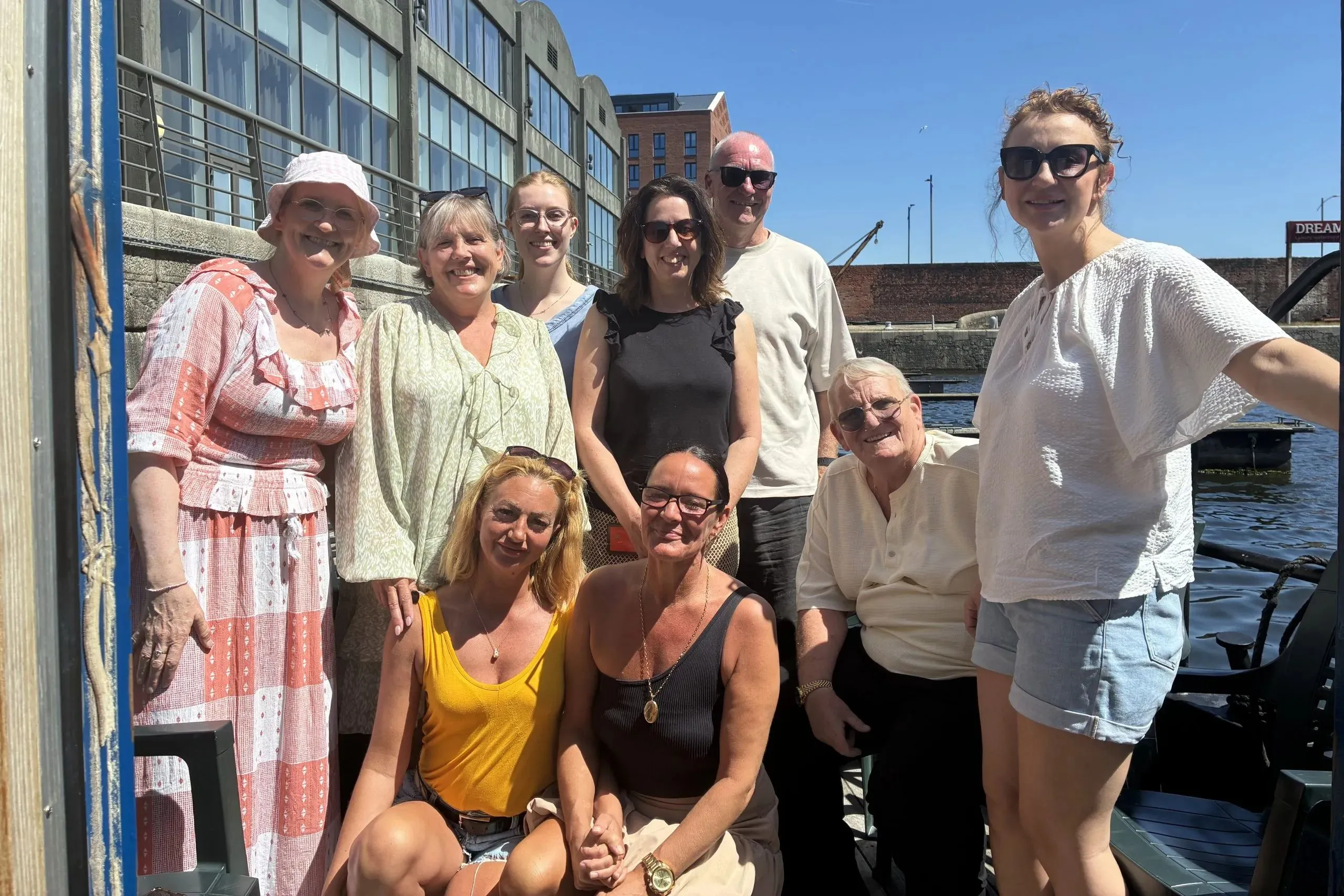
Champs Public Health Collaborative: The ACTIVE group for alcohol services across Merseyside and Cheshire
Summary: The project aimed to create a high- quality public engagement initiative to support and inform the development of alcohol care services for Cheshire and Merseyside. Key nurses in the region set up a group comprising people with lived experience of using alcohol services or as a family member.
We wanted to create a high-quality public engagement initiative to support and inform the development of alcohol care services across Cheshire and Merseyside.
Key nurses in the region led on establishing a group comprising individuals with either lived experience of using alcohol services, or as a family member.
The groups primary aim was to ensure the patient perspective was known, understood and considered by those developing policy, clinical approaches and education tools, ensuring contributions to meaningful coproduction activities.
An established, more broadly constituted PPIE initiative, Comensus at the University of Central Lancashire, was commissioned to form and support the ACTIVE group.
In the first instance, a group was convened to address deficits at the intersection of alcohol care and mental health services, where individuals can find themselves falling into gaps between services, unnecessarily bouncing between services, or being excluded.
Providing appropriate and consistent support to this diverse group and ensuring staff teams and commissioners engage effectively and respectfully is a challenge.
We utilised the expertise of the Comensus facilitators to provide protected safe spaces for the group to work as well as providing support when working with staff teams, commissioners and researchers.
Working in this way the group has been so successful that it now provides input across the PROACT network, and has co-produced a student handbook, a skills framework, a video to inform potential research participants and input into research design and implementation.
Because of insecurities of funding, we are exploring possibilities for diversifying funding streams to ensure long-term sustainability, to become a standing PPIE resource in the region.
Finalists
Derbyshire Healthcare NHS Foundation Trust: Specialist integrated family support team
Summary: The team offer specialist support to asylum-seeking and migrant families and children, helping to reduce health inequalities in Derby through early advice, intervention and public health information.
The team offer specialist support to asylum-seeking and migrant families and children, helping to reduce health inequalities in in the city of Derby.
Health and Early Help support work in partnership to focus on reducing health inequalities through early advice, intervention and public health information alongside early intervention and supporting community integration.
This has brought enhanced value in reducing inequalities with immediate intervention for health and social needs.
The objectives of the service are to provide:
- An appropriate number and level of visits/contacts determined by the complexity of the family
- A holistic assessment of the family and their needs (including their health needs) in a culturally appropriate way
- A review of all children in the family (including 5-19)
- Completion of any relevant developmental reviews (as per the Healthy Child Programme national model)
- Support to access health services depending on the need identified in the original and on-going assessment
- Support for the family to register with a GP and liaise and link in with other agencies to ensure needs are met
- A full – and if needed enhanced – service for families in the initial accommodation centres, in contingency hotels and those that have been settled in Derby
- Integrated social care early help support to facilitate navigation through the local system and lessen any demand on upstream health and social care services
- Referral into universal health visiting service once the requirement for more intensive, risk-based interventions has diminished.
The specialist community public health nurse is a non-medical prescriber that works within a scope of practice to be able to treat minor illnesses as the earliest point to help families to be healthy and also reduce the need for a GP appointment or out of hours.
Finalists
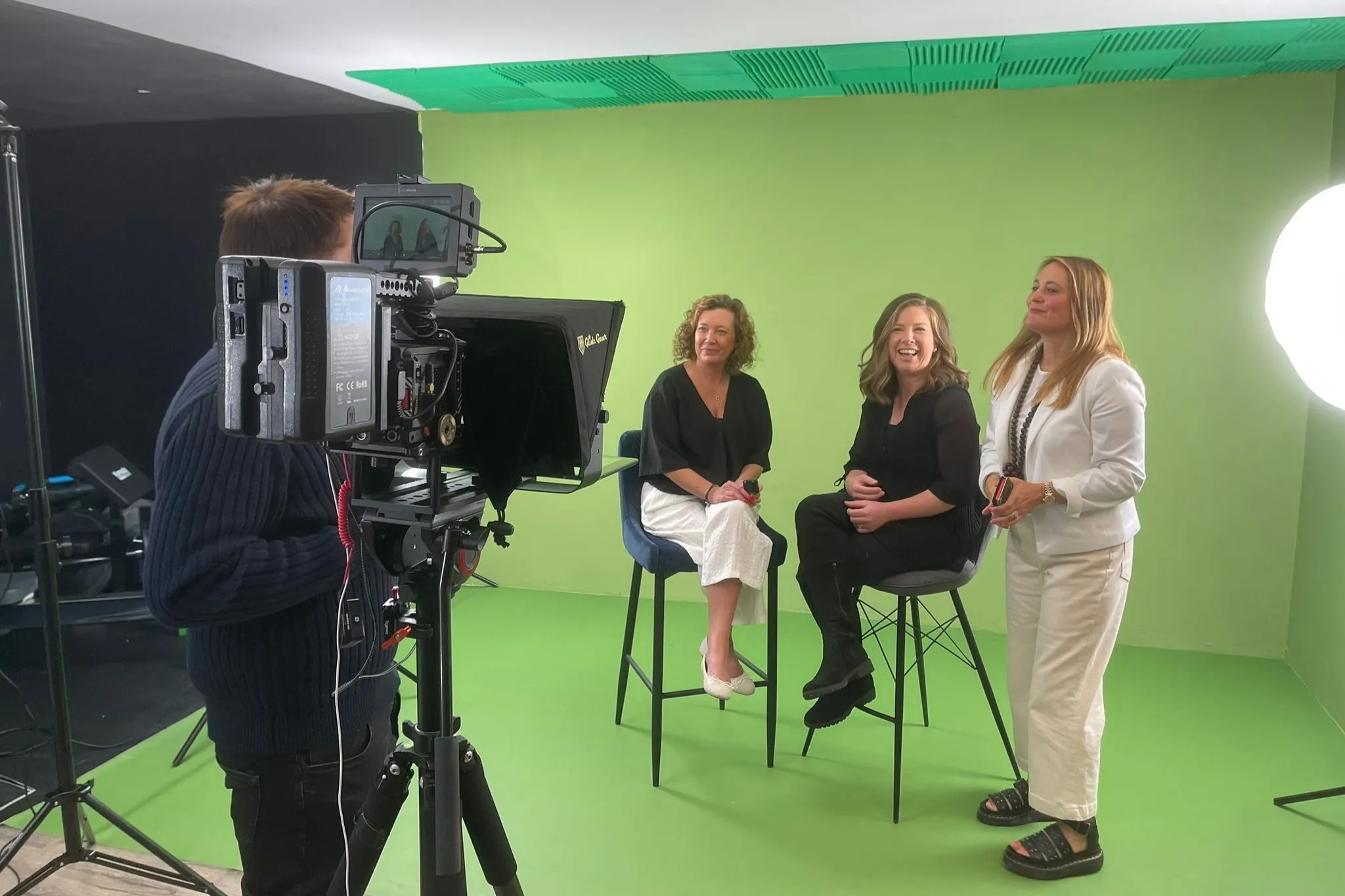
Northumbria University: CHINS and LATCHES – memory aides to support breastfeeding practice
Summary: To teach positioning for breastfeeding, Lynette Shotton developed the mnemonic CHINS (Close, Head free, In-line, Nose to Nipple), which has become a feature of breastfeeding education and practice across the UK. To complement CHINS, she developed a further memory aide for attachment.
In 2010, as part of my own UNICEF Baby Friendly Initiative (UNICEF BFI) Train the Trainer course, I was required to deliver a presentation to UNICEF trainers and my peers to teach the principles of positioning for breastfeeding.
To do this I developed CHINS – Close, Head free, In-line, Nose to Nipple. This was based on my experience of using mnemonics, which are widely used in healthcare but also the theory I had been exposed to during UNICEF BFI training.
The trainers were so impressed with my innovation, they asked if they could use it within UNICEF BFI training. It has continued to be used since and has become a widespread feature of breastfeeding education and practice across the UK.
To complement CHINS, I developed two further potential memory aides for the principles of attachment and working with midwifery academics and NHS infant feeding leads, one of these was take forward to a regional pilot of 57 midwives, midwifery students, academics, infant feeding leads and early years practitioners in the North East and North Cumbria. This helped refine LATCHES before sharing it more widely with the breastfeeding workforce.
In February 2025, I secured £26,000 from the Sir Halley Stewart Trust to develop CHINS and LATCHES into a brief, digital CPD training package for the breastfeeding workforce, which will be shared widely nationally and internationally with a mixed-methods evaluation.
The aim of this is to complement established approaches to breastfeeding education ie UNICEF BFI and to offer a way that staff can access this at a time convenient to them, and learn two essential skills for practice in a time efficient way.
Finalists
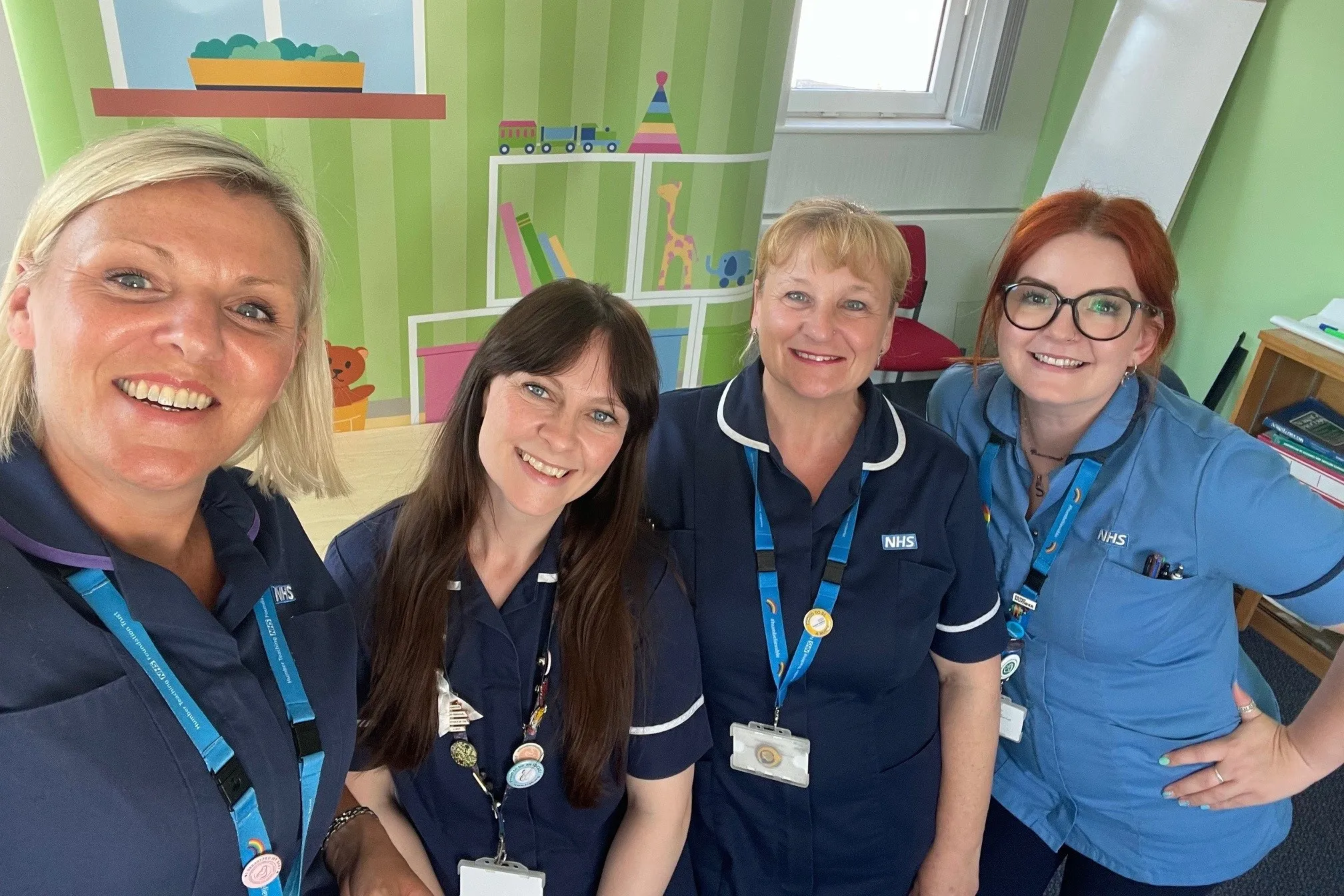
Humber Teaching NHS Foundation Trust: Normalising and increasing breastfeeding in Hull
Summary: Teaching sessions on breastfeeding were given to schoolchildren who drew pictures to decorate two tents, which can be used as private and comfortable breastfeeding spaces at outdoor events. A fact-finding trail of breastfeeding- friendly venues was also created.
Our initiative was to improve the breastfeeding rates in Hull. Hull’s socio-economic conditions adversely affect the health of too many people in our communities – 54% of the population in Hull is within the 20% most deprived in England.
This profoundly affects the health and wellbeing of our residents now and throughout the course of their lifetimes. Hull residents have a higher-than-average rate of premature deaths from preventable diseases.
We need health initiatives to improve the health of our city from birth and one such public health initiative is Breastfeeding.
Hull historically has very low breastfeeding rates which are much lower than the national average. The culture around breastfeeding is that people often do not understand the benefits of it and see formula feeding as being the ‘norm’.
In the past, breastfeeding has sadly been given bad press, with women expecting it to be difficult, to hurt, and/or to experience these problems alone without support.
This results in women choosing not to try in the first place or to give up before they really would like to, without seeking help.
Our challenge to address this was threefold; to ensure a citywide support system for the families of Hull, to increase breastfeeding rates, and to change public perception of breastfeeding. Over the last four years we have continued to increase our breastfeeding rates.
We have developed relationships with local primary schools, GP surgeries, private nurseries and local social care organisations who are now breastfeeding-friendly and are receiving training on how to protect breastfeeding and encourage future support and development.
We have two breastfeeding tents which will be used at large scale events in the city and have a city trail (Milk Trail) centred around breastfeeding. The trail, launched in 2024, continues this year to keep and increase public interest.
Finalists
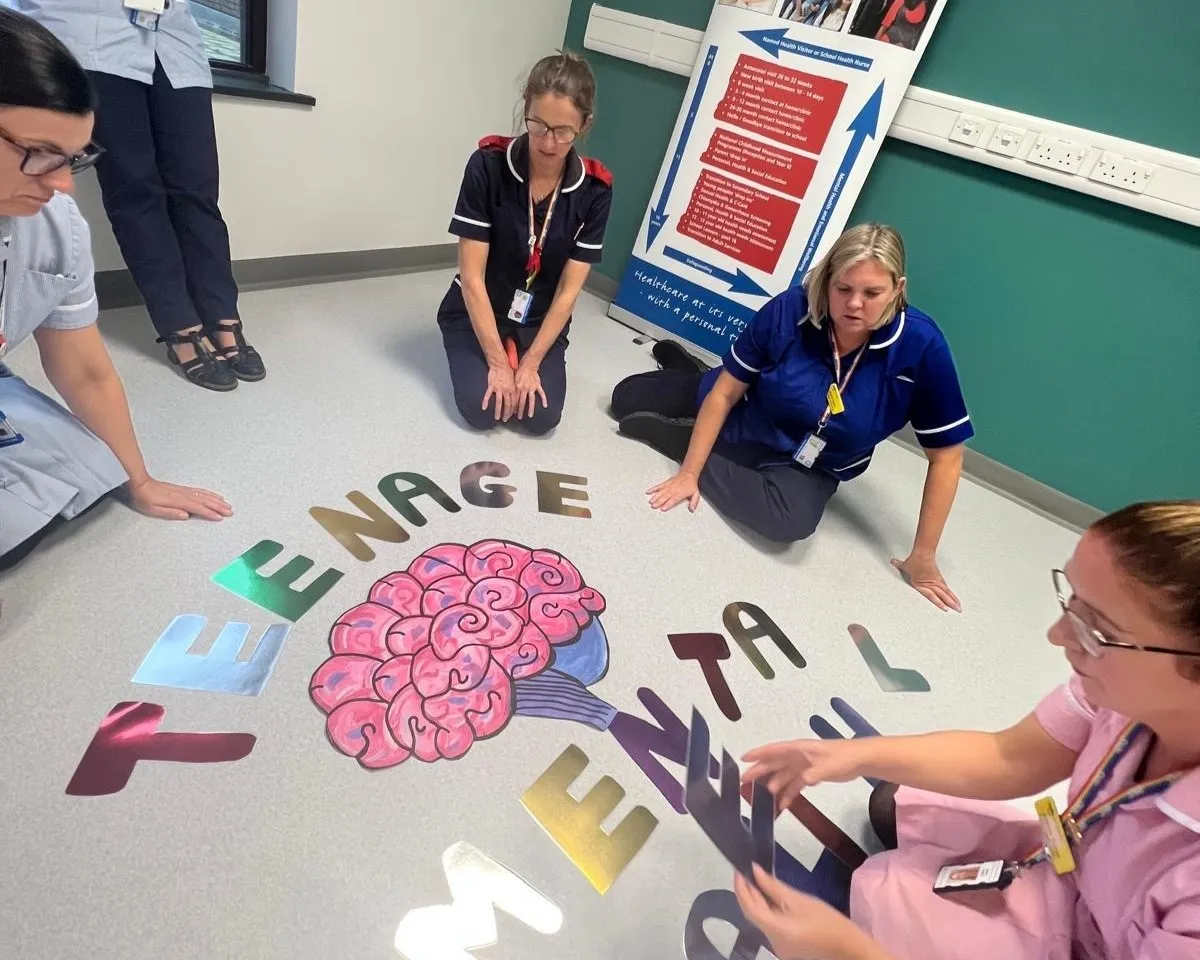
The Newcastle upon Tyne Hospitals NHS Foundation Trust: Improving the school health team’s emotional wellbeing support offer to teenagers
Summary: The team enhanced its emotional wellbeing offer for young people, in response to an increase in the number of referrals requesting support for teenagers. It implemented a practitioner emotional wellbeing pathway and toolkit, new assessment templates and goal-based outcomes.
We were trying to address several challenges. The school health service had reported a significant increase in the number of referrals requesting emotional wellbeing support for teenagers.
Staff expressed feeling overwhelmed by the growing complexity of cases particularly those involving self-harm and suicide ideation among young people.
At the same time, we were undergoing a recommissioning process and identified an opportunity to improve how we capture and integrate service user feedback within our electronic patient recording system.
With the support of the trust service improvement programme, we formed the ‘school health sunshine squad’ to support our change initiative.
A record audit and staff survey were conducted to gain an insight into current practice, confidence levels and perspectives on service improvements related to emotional wellbeing support for young people.
We found considerable variation in confidence levels and support being provided. Additionally, there was limited evidence of goal setting or evaluation of interventions.
We engaged in consultation and collaboration with young people, schools, children and young peoples service (CYPS) and educational psychologists to develop our emotional wellbeing offer for young people.
We developed a practitioner emotional wellbeing pathway and tool kit. We created new assessment templates, read codes. We implemented goal-based outcomes into practice.
Trust charity funding enabled us to provide the team with emotional wellbeing resources to support the delivery of care and support.
The biggest challenge was the size of the project. Time constraints also posed a significant challenge. The support of a dedicated service lead and committed team enabled us to overcome these obstacles. Passion, patience and determination also helped.
Our next steps include exploring how to further engage young people to inform future service development, re-surveying the team, generating reports and analysing data.
Ultimately, our aim is to continue to improve outcomes for young people experiencing emotional distress.
Finalists
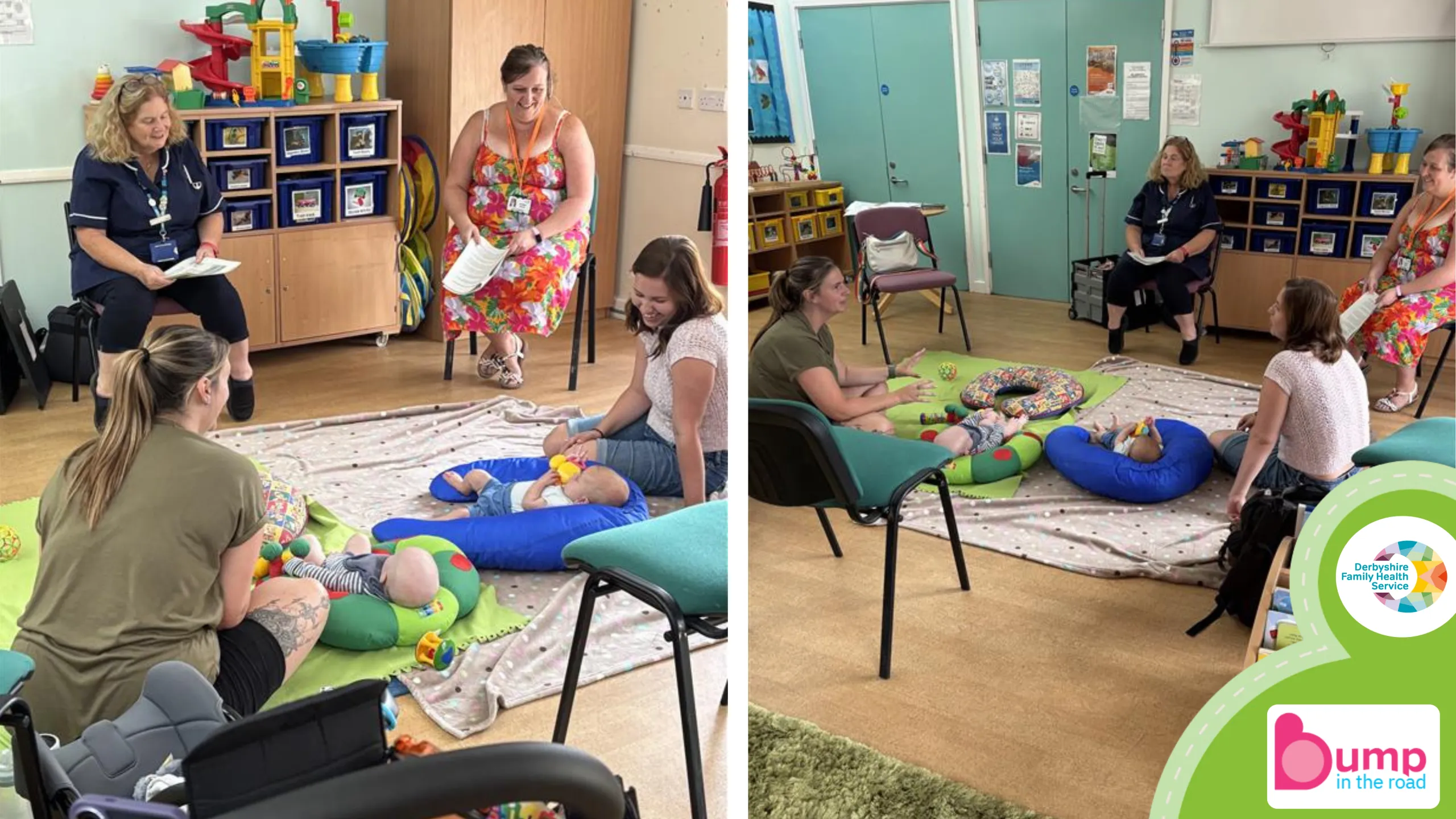
Derbyshire Community Health Services NHS Foundation Trust: Perinatal mental health campaign – ‘My Baby and Me’ and ‘Bump in the Road’
Summary: The trust launched the ‘My Baby and Me’ postnatal group, offering an inclusive space to improve emotional wellbeing and strengthen the parent-infant bond. It was accompanied by ‘Bump in the Road’, a digital campaign to support new parents in an accessible, multi-platform format.
Perinatal mental illness is a significant public health concern. This initiative was developed in response to the rise in poor parental mental health, social isolation and limited support networks during Covid-19.
There was also a need to raise awareness among new parents about common mental health challenges and available support.
The service aimed to align with our trust’s priorities – tackling inequalities, embracing new ways of working, supporting sustainability, recovery and workforce development.
The initiative was led by our specialist health visitor for perinatal and infant mental health (PIMH), who contributes to service development and leadership forums across Derbyshire.
We launched the ‘My Baby and Me’ postnatal group, offering a universal, inclusive space to improve emotional wellbeing and strengthen the parent-infant bond.
In collaboration with the communications team, psychology team, and the specialist health visitor, we also developed ‘Bump in the Road’ – a digital campaign offering podcasts, radio adverts, self-affirmation cards and enhanced web content to support new parents in an accessible, multi-platform format.
Initial challenges included some newer health visitors lacking experience in group facilitation and the need to gain staff buy-in.
Through leadership and confidence-building, participation grew and the initiative gained momentum.
The combined launch of the group and campaign created a comprehensive model for supporting parental mental health – bridging face-to-face services with digital support, reducing isolation and normalising early parenthood challenges.
Future plans:
- Expand postnatal groups to all seven Derbyshire localities
- Offer regular peer support and supervision for staff
- Grow the volunteer network
This work has significantly improved parental confidence, mental wellbeing and bonding, setting a new benchmark for integrated postnatal care.
Finalists
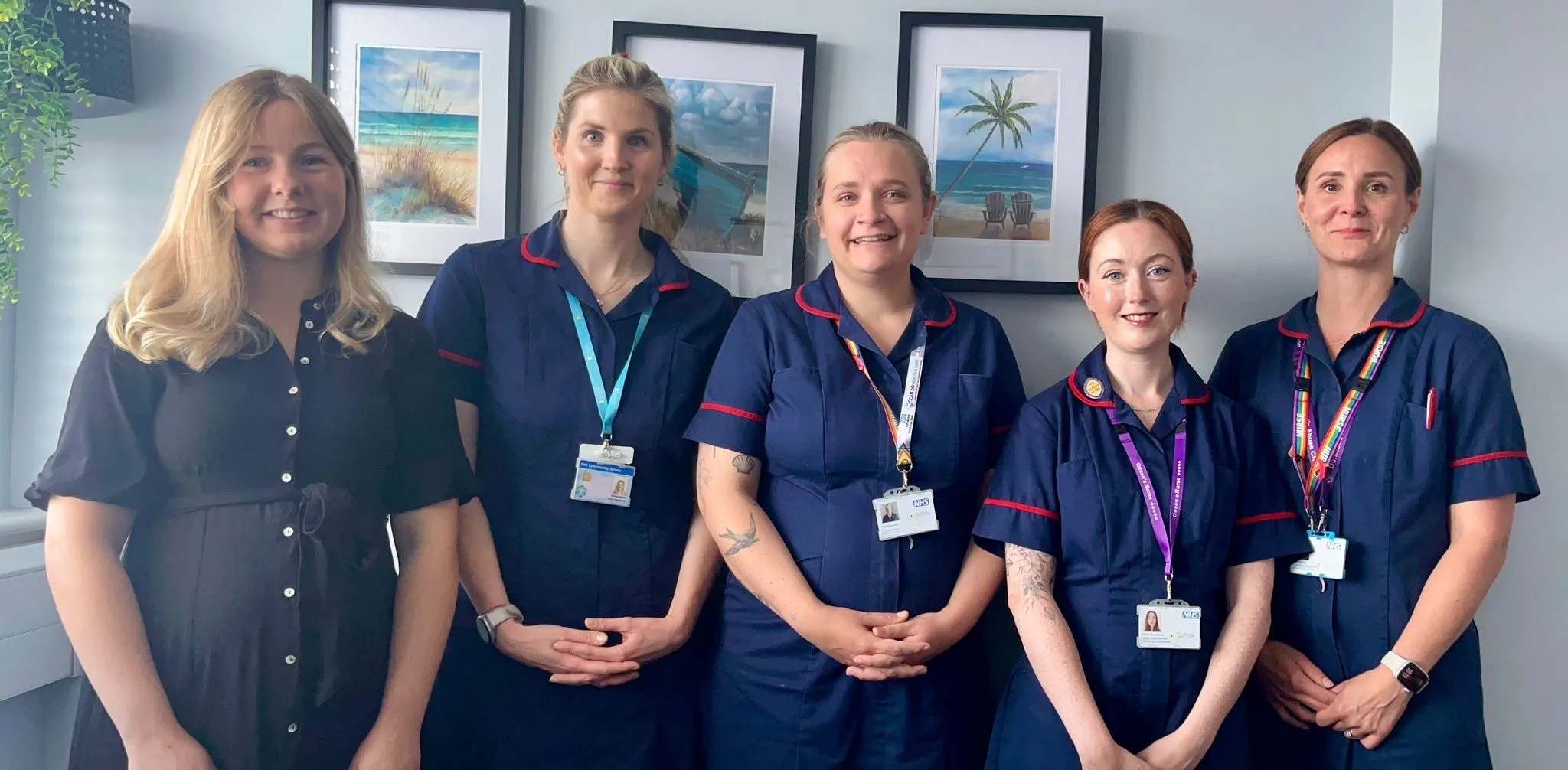
Suffolk GP Federation Community Interest Company: Very Important Invitation
Summary: This project aimed to increase cervical screening uptake across Suffolk and North East Essex. It developed a training package for primary care staff, toolkits for ongoing learning and information materials, and built partnerships with underserved communities and set up non-responder clinics.
This project aimed to increase cervical screening uptake across Suffolk and North East Essex, where most practices were achieving only 74-77% coverage – below the national target of 80%.
Our goal was to support primary care while addressing barriers faced by the 20% not attending, particularly among under-served communities.
We developed a two-part training package for primary care staff: one session for non-clinical staff (reception, admin, care navigators), and another for clinical staff involved in screening. Toolkits were also provided to support ongoing learning and internal conversations.
Recognising the impact of health inequalities on non-attendance, we tailored our approach to meet specific community needs.
We built partnerships with organisations supporting LGBT+ individuals, faith groups, people with disabilities, ethnic minority communities, those experiencing deprivation or homelessness, and survivors of trauma. These collaborations enabled inclusive education sessions and accessible, culturally sensitive support.
A key aspect of our approach was being visible and approachable in community spaces, offering safe, informal opportunities for individuals to ask questions.
We also developed multilingual, easy-read and trauma-informed information materials to improve accessibility.
To further boost uptake, we facilitated non-responder clinics at GP surgeries. These were organised, booked, and staffed by our team, allowing practices to reach out to those overdue for screening in a focused and supportive environment.
We also engaged local secondary schools to raise early awareness of HPV and cervical screening, promoting long-term health literacy.
Challenges included overcoming mistrust, stigma, and access barriers. However, early outcomes show increased engagement, positive feedback from practices, and growing community trust.
Next steps include expanding outreach, exploring mobile screening options, and evaluating long-term impact to inform wider health equity initiatives.
Finalists
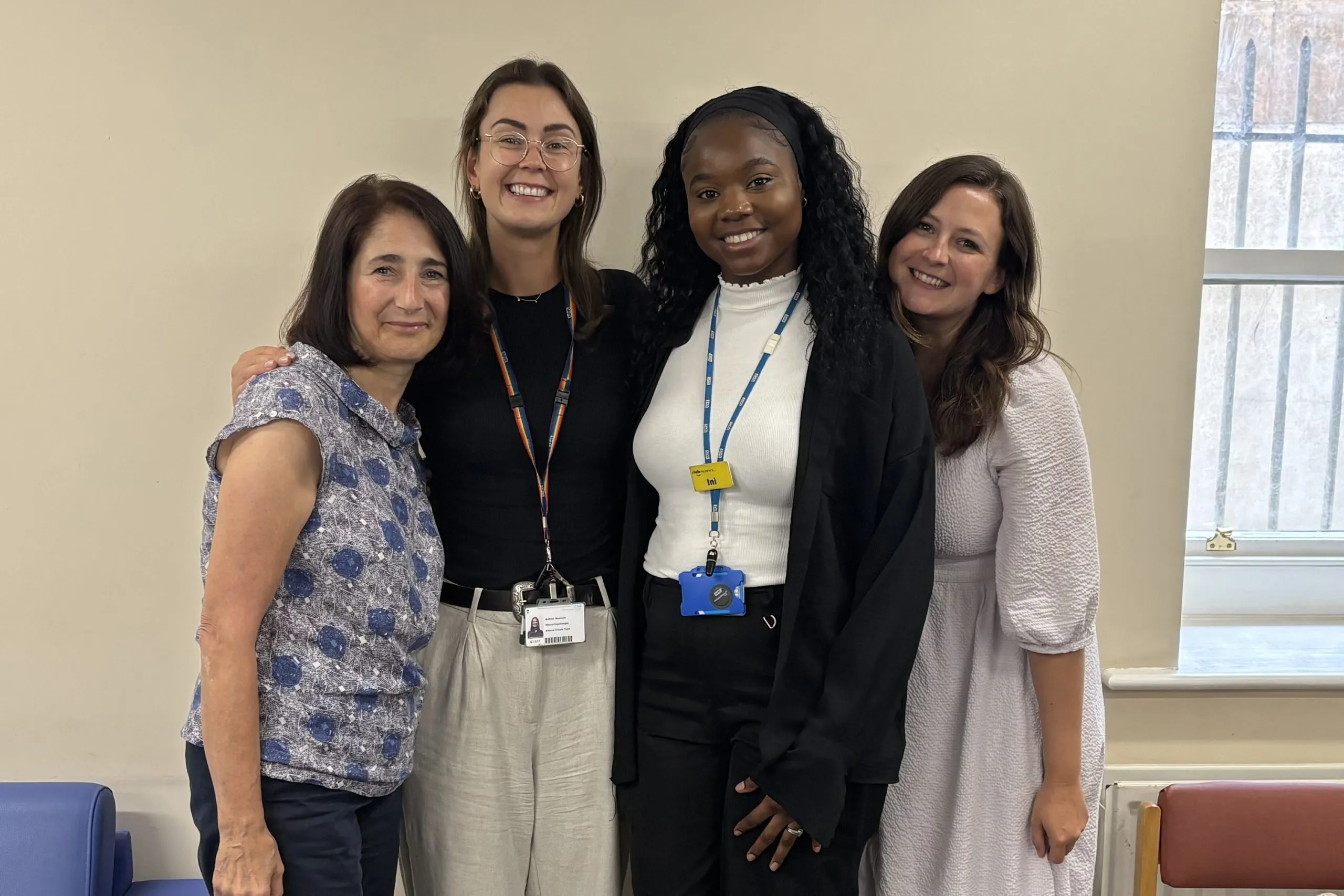
Whittington Health NHS Trust: Think Family – strengthening links between adult mental health, perinatal mental health and universal child services
Summary: The project aimed to bridge communication gaps between universal child services, perinatal mental health, parent infant mental health and adult mental health (AMH) teams in Islington. Health visitors attended AMH meetings and held a networking event to highlight parent-infant relationships.
The project aimed to bridge communication gaps between universal child services, perinatal mental health (PNMH), parent infant mental health (CAMHS) and adult mental health (AMH) teams in Islington.
A serious incident exposed these challenges when a client with schizophrenia experienced a psychotic episode while alone with her ten-week-old son due to a lack of information-sharing.
Reports from health visiting (HV) colleagues confirmed that the lack of communication was a recurring issue, highlighting the need for a more collaborative approach.
A key focus was highlighting parent-infant relationship to AMH teams. HVs have been able to embed this within their practice through the strong partnership between HVs and the Parent Baby Psychology Service (PBPS). PBPS involvement in this project was crucial in reinforcing this message to AMH teams.
To drive change, we directly engaged AMH teams by attending their team and multidisciplinary meetings, introducing our roles, and exploring the benefits of joint working.
We also hosted a Think Family networking event, bringing together professionals from perinatal and adult mental health, primary care, and community services. This created a space to share insights, discuss best practices, and build relationships across services.
There were some challenges, which included a lack of awareness among AMH teams about HV and Bright Start services (the name for services in Islington for under-fives and their families), creating buy in into the importance of this initiative, different information recording systems for adult versus child health services and embedding this into practice.
Despite this, the initiative led to positive outcomes, with professionals gaining valuable insights and committing to closer collaboration.
Moving forward, we will embed clear information-sharing protocols, expand joint training, and establish regular networking events to strengthen inter-agency relationships.
Additionally, we will incorporate parent participation to ensure service improvements reflect the lived experiences of the families we support.
Finalists
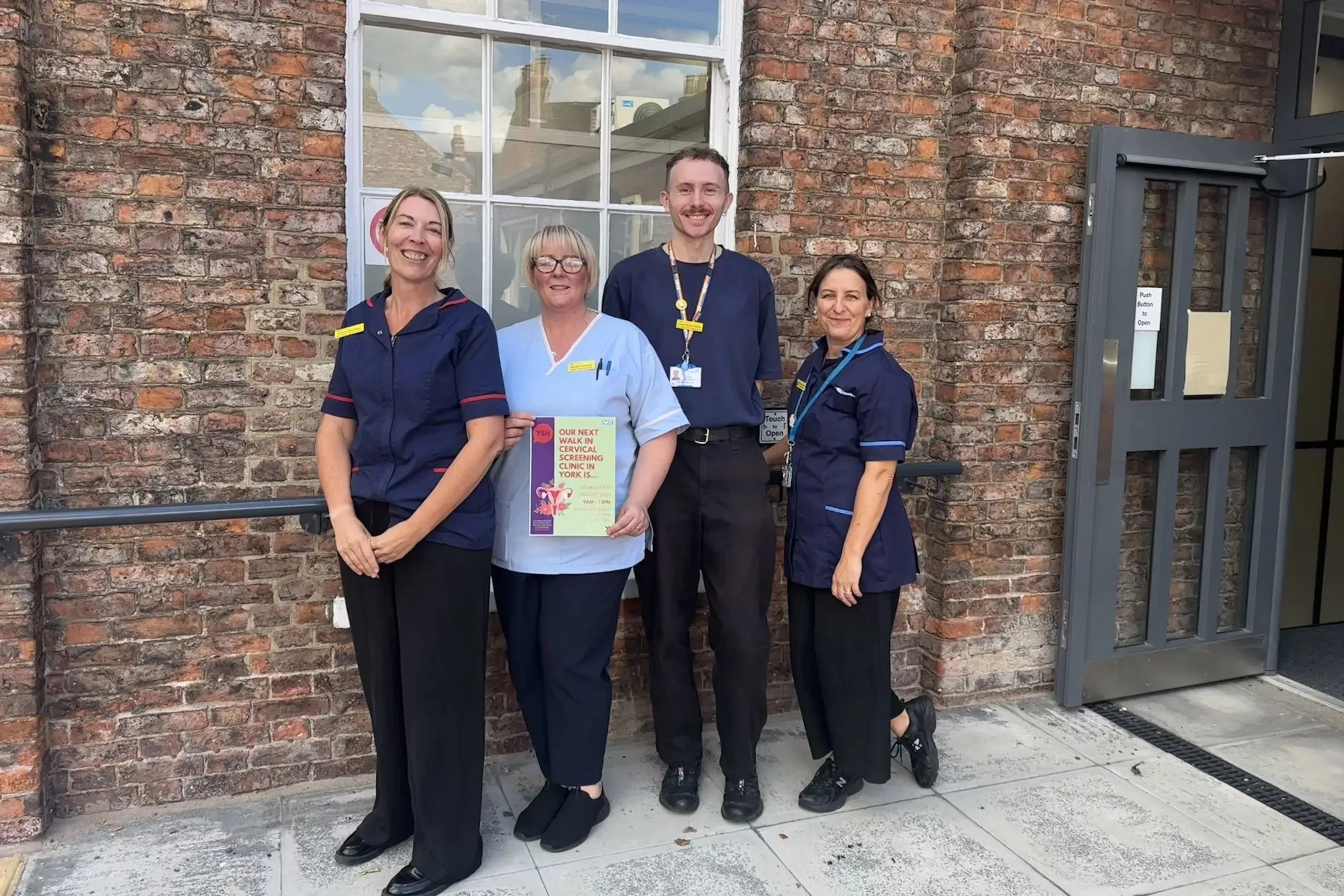
York and Scarborough Teaching Hospitals NHS Foundation Trust: Increasing cervical screening in a sexual health service in York and North Yorkshire
Summary: Based around a new walk-in and wait service, this project sought to broaden the cervical screening offer, increase its access for at-risk groups, support primary care delivery of cervical screening, increase trained staff in sexual health and provide an alternative approach to cervical screening.
The impact of changes to commissioning introduced in England by the Health and Social Care Act 2012 (HSCA) on cervical screening activity created a reduction in sexual health services commissioned for cervical screening.
This impacted on the ability for sexual health staff to maintain adequate numbers of cervical screens and therefore cervical screening training was not prioritised.
Opportunistic cervical screening was on offer within the service but due to reduced numbers of staff trained this resulted in limited screening offers which was practitioner dependent.
A reduction in regional cervical screening uptake prompted discussions from NHS England cervical screening team and regional sexual health services in Yorkshire and Humber.
Additional funding was agreed with our service. Training funds for cervical screening supported five nurses in 2023 and then a further two in 2024.
A cervical screening pathway for sexual health was created support failsafe for those without a GP or not registered as requiring screening.
Targeted screening:
- People living with HIV-requirements for annual screening and not all GP’s aware of the patient’s diagnosis
- Walk in and wait services Selby/Northallerton/Scarborough/York
- Walk in and wait NHS staff only clinics at Scarborough and York gynaecology outpatient area.
- Trans and non-binary cervical screening session
- Women’s health sessions
- Opportunistic offer in outreach settings
Opportunistic/booked offer continued in all services but with an increased provision due to increased screeners.
A strong social media campaign that flexed and responded to ensure targeting of the correct patient groups.
The future development includes continuing to expand the offer. We also will work with NHS-E and local primary care services to support their cervical screening offer when additional support is required.
This would have a focus on the provision for patients who are on recall/missed appointments to try to ensure primary care continue to deliver routine cervical screening to their population.
Finalists
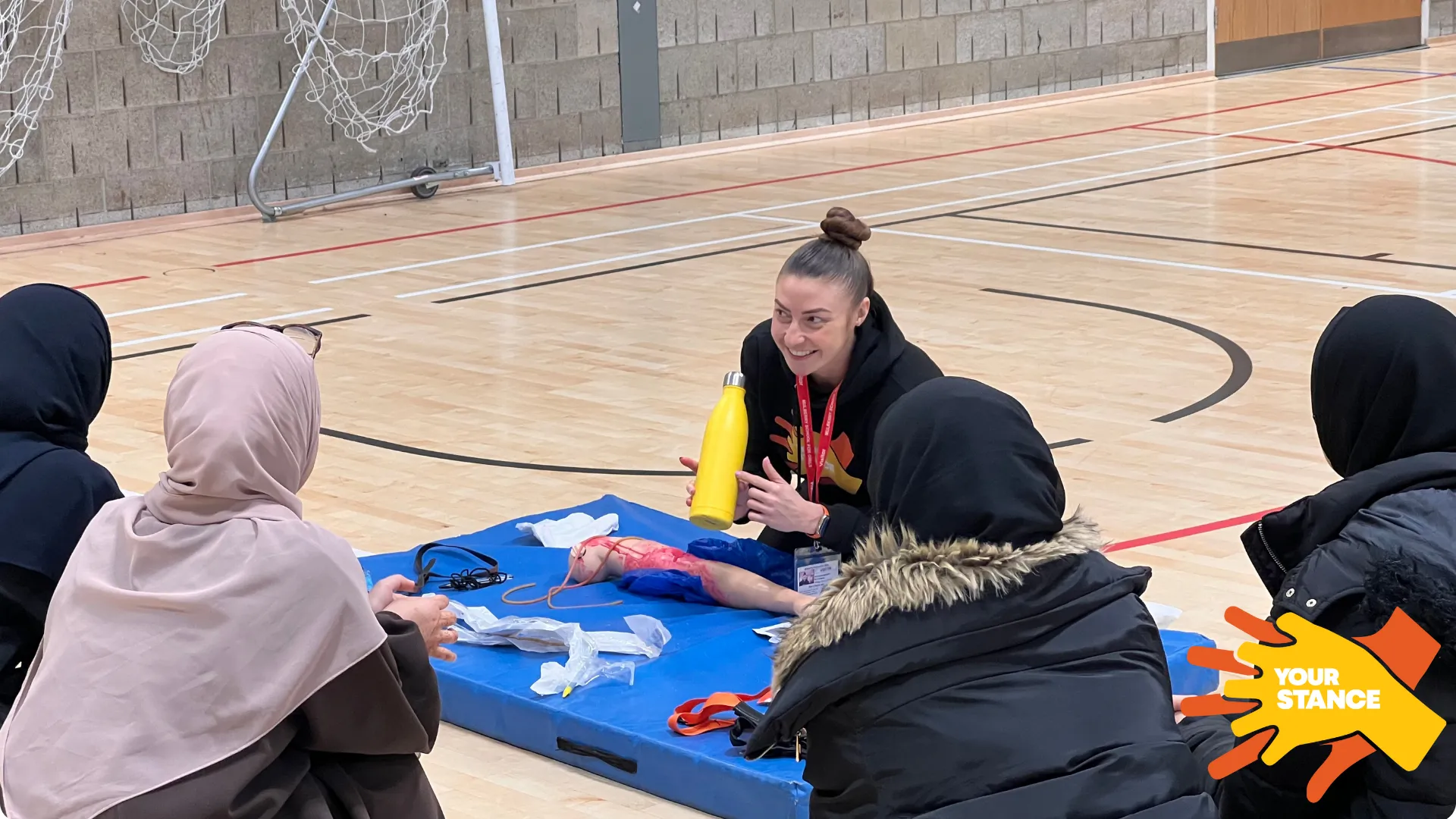
YourStance: Zero responder sessions
Summary: The community interest company offers life-saving skills to young people at risk of youth violence. Its two-hour ‘zero responder’ workshop teaches CPR, basic life support and bleed control to empower young people in an emergency, using simple techniques and equipment they may have on them.
YourStance is a community interest company that teaches young people at risk of youth violence life-saving skills.
Violence affecting young people is a public health emergency. It’s not just London, serious youth violence affects young people all over the UK.
Research shows that 34.5% of early trauma deaths from haemorrhage could be prevented by controlling bleeding sooner, and every minute delayed in pre-hospital response to penetrating injuries increases mortality by 2%.
This also has a significant impact on young people’s mental health and their engagement to health services.
YourStance devised a ‘zero responder’ session, that teaches CPR, basic life support and bleed control.
This two-hour workshop empowers young people to know what to do if they are faced with an emergency.
Ran by medical professionals, we use simple techniques and equipment that they may have on them to be able to stop the bleed.
Throughout the last six years YourStance has overcome many challenges. What started from borrowing old equipment from a hospital and using a small group of colleagues to run sessions.
We now have a team of over 12 members and have expanded across London, targeting work to young people that most require the training.
Our outcomes have been phenomenal. not only have we taught over 5,000 young people and have a team of over 200 volunteers.
Our vision for the future is that all young people would know what to do when we faced with an emergency.
We want to work within every borough in London, having a network of zero responders across the city. We want reduce morbidity and mortality in young people across London and the UK.
We also want to reduce health inequality by engaging healthcare professionals who may have previously not had worked with young people in this innovative way.
Further reading on the 2025 Nursing Times Awards
You can also read more about the other winners and finalists in the 2025 Nursing Times Awards supplement and make sure you consider entering this year’s Nursing Times Awards.
