



Find out more about the winner and shortlisted entries in the Ingrid Fuchs Cancer Nursing Award category at the 2025 Nursing Times Awards.
The winners of the 2025 Nursing Times Awards were announced at a ceremony on 23 October last year, attended by finalists and judges.
Winners across 25 categories, including Ingrid Fuchs Cancer Nursing Award, received their awards at the JW Marriott Grosvenor House Hotel on Park Lane. Below you can find out who made our Ingrid Fuchs Cancer Nursing Award shortlist in 2025 and why:
Winners
Sheffield Teaching Hospitals NHS Foundation Trust: Nurse-led follow-up pathway for gestational trophoblastic disease
Summary: Weston Park Cancer Centre hosts one of three national multidisciplinary teams in the UK to care for women with gestational trophoblastic disease (GTD) a rare pregnancy- related cancer. Nurse consultant Kam Singh and her team developed an innovative nurse-led personalised follow-up pathway for GTD patients that integrates biomedical screening with holistic assessment and real-world data capture on outcomes that matter to patients. This has involved creating a bespoke web-based clinical assessment tool, hybrid clinics and psychological support. This initiative ensures that patients receive integrated care that continues beyond the clinical treatment phase.
Sheffield’s Weston Park Cancer Centre hosts one of three national multidisciplinary teams in the UK to care for women with gestational trophoblastic disease (GTD) a rare pregnancy-related cancer.
Previously, the primary focus of GTD follow up was the detection and management of malignancy, which could be done remotely through blood and urine samples sent from home.
GTD is a devastating diagnosis combining pregnancy loss, fertility distress and the wider impact of cancer and its treatment.
It was a challenge to prove what nurse-led support would look like as little was known about the short- and long-term effects and psychological impact of GTD or its treatment from the patient perspective.
Our aim was to develop an accessible and innovative nurse-led personalised follow-up pathway for GTD patients that integrates the traditional biomedical screening with holistic assessment and real-world data capture on outcomes that matter to patients.
Since 2020 we have achieved:
- Nurse-led development of a bespoke web based clinical assessment tool (ePAQ-GTD: electronic patient assessment questionnaire-GTD) with embedded GTD specific patient reported outcome measure (PROM) to enable self-reporting of symptoms and quality of life alongside biomedical follow-up. ePROM results can be discussed with the GTD nursing team in our new hybrid clinics.
- Nurse-led hybrid clinics: in person or virtual clinic appointments at three weeks, six weeks, six months and yearly following treatment for five years.
- Nurse-led psychological support: regular online support groups and one on one counselling sessions are offered to all patients from our specialist nursing team.
Our future plans are to ensure our tools and resources are fully accessible to patients who may not speak English as a first language.
We also plan to implement support groups tailored to the shared experiences of patients in similar circumstances to create a more cohesive support environment.
Finalists
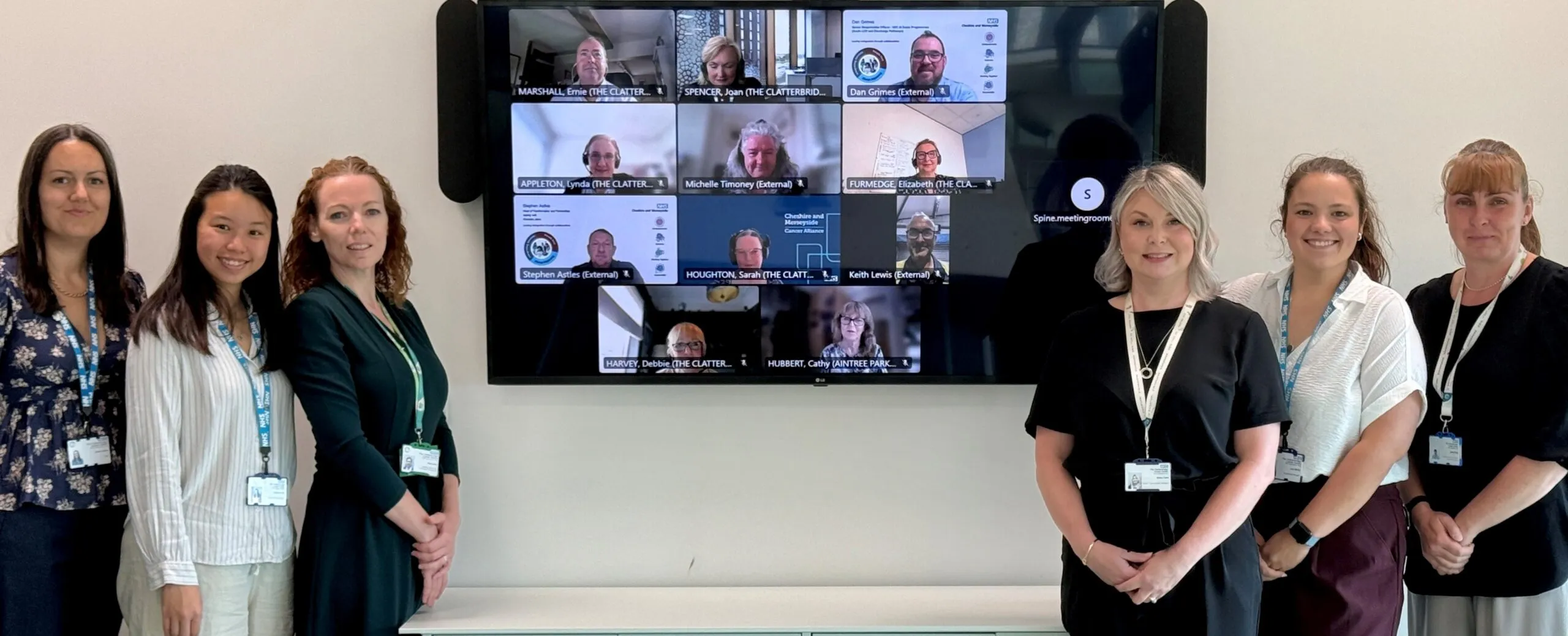
Cheshire and Merseyside Cancer Alliance: Urgent Cancer Care programme
Summary: The programme’s vision is for cancer patients with an urgent care need to receive timely, effective and equitable treatment. It introduced a cancer triage hotline, pathways for suspected malignancy of unknown origin and brain cancers, ambulatory metastatic spinal cord compression pathways, and same-day emergency care and urgent community response services.
Nobody ever forgets the day they heard the words ‘you have cancer’, or the first time they visit an emergency department (ED) with a cancer complication or treatment side effect.
Urgent cancer care (UCC) is a crucial component of the cancer journey, with many cancer patients frequently visiting ED.
While transforming urgent and emergency care (UEC) and improving cancer outcomes are individually national priorities, their separation has resulted in a lack of focus on UCC.
Previous work in Cheshire and Merseyside (C&M) has identified key gaps in UCC provision, leading to avoidable ED attendances and poor experiences and outcomes:
- Lack of alternatives to ED
- Limitations in Acute Oncology services (AOS) structure, pathways and workforce
- Lack of standards, governance, and processes for patients with malignancy of unknown origin (MUO)
- Ineffective communication flows between care teams across organisations
The C&M Cancer Alliance (CMCA) UCC Programme’s vision is for cancer patients with an urgent care need to receive timely, effective and equitable treatment.
Programmes of work to achieve this integration focus on: cancer triage hotline, standardised pathways for suspected MUO and brain cancers, ambulatory metastatic spinal cord compression pathways, and same-day emergency care and urgent community response services.
Each providing training for UEC and oncology staff, improve system working, establish governance and assurance processes, and drive innovation to address UCC challenges.
The programme faced challenges with governance and engagement with regional stakeholders. In response, the Urgent Cancer Care Programme Board (UCCPB) was established; bringing together stakeholders in oncology and UEC, providing the expertise required to drive change.
In future, the programme will work to shift UCC governance towards local trusts. Improved data collection and reporting will be established to reliable monitor progress and guide improvements. Clinical role definition will enable succession planning and sustained commissioning.
Finalists
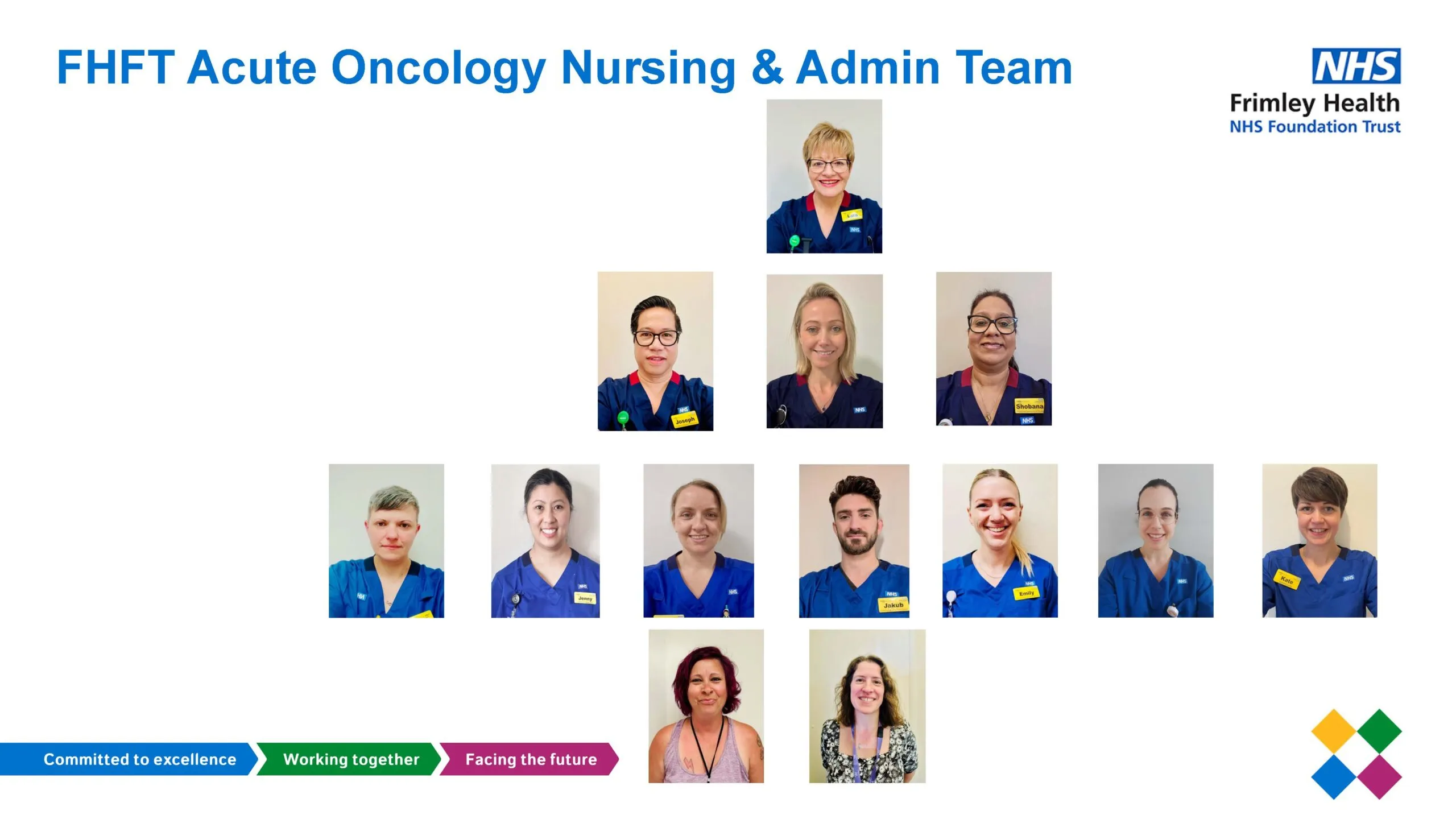
Frimley Health NHS Foundation Trust: Acute oncology nurses working in the emergency department
Summary: Acute oncology specialist nurses started working in the trust’s emergency departments, which contributes significantly to patient care and the overall healthcare system. They can quickly identify oncology-related emergencies, such as neutropenic sepsis, immunotherapy-induced toxicities, or metastatic spinal cord compression, ensuring timely and appropriate intervention.
Acute oncology specialist nurses (AOSNs) started working in emergency departments (EDs) in Frimley Health NHS Foundation Trust (Monday-Friday 8-4pm) in January 2024.
This contributes significantly to patient care and the overall healthcare system. FHFT AOS team strive to improve cancer patient experience by providing in-depth knowledge about the specific needs and complications of cancer patients.
They can quickly identify oncology-related emergencies, such as neutropenic sepsis, immunotherapy (IO) induced toxicities, or metastatic spinal cord compression (MSCC), ensuring timely and appropriate intervention.
Frimley Health NHS Foundation Trust AOSNs offer holistic care that encompasses not only physical health but also psychological, emotional, and social aspects of care, which are crucial for cancer patients who may be facing acute issues in a stressful environment like the ED.
Timely and accurate assessment in the ED allows for faster, more accurate assessments of cancer patients who may present with non-specific symptoms or complications.
AOSNs can distinguish between cancer or SACT related issues and other medical conditions, which improves diagnostic accuracy and reduces unnecessary investigations.
The presence of an AOSN can help initiate early treatment for potentially life-threatening oncological emergencies, such as SVCO, malignant hypercalcaemia, IO toxicities, improving patient outcomes and reducing hospital admissions.
AOSNs act as a liaison between the oncology teams and emergency department staff and provide enhanced multidisciplinary collaboration, thus providing continuity of care.
This continuity helps reduce the risk of delays in treatment or complications and provides patients with consistent care throughout their treatment journey.
AOSNs are trained in advanced communication skills to sensitively discuss issues that may be distressing for patients and their families in ED which can significantly enhance the patient experience.
This is especially important in the high-pressure environment of the ED, where cancer patients may feel particularly vulnerable.
This can reduce stress and confusion during what may be an overwhelming time for patients and their families.
Finalists
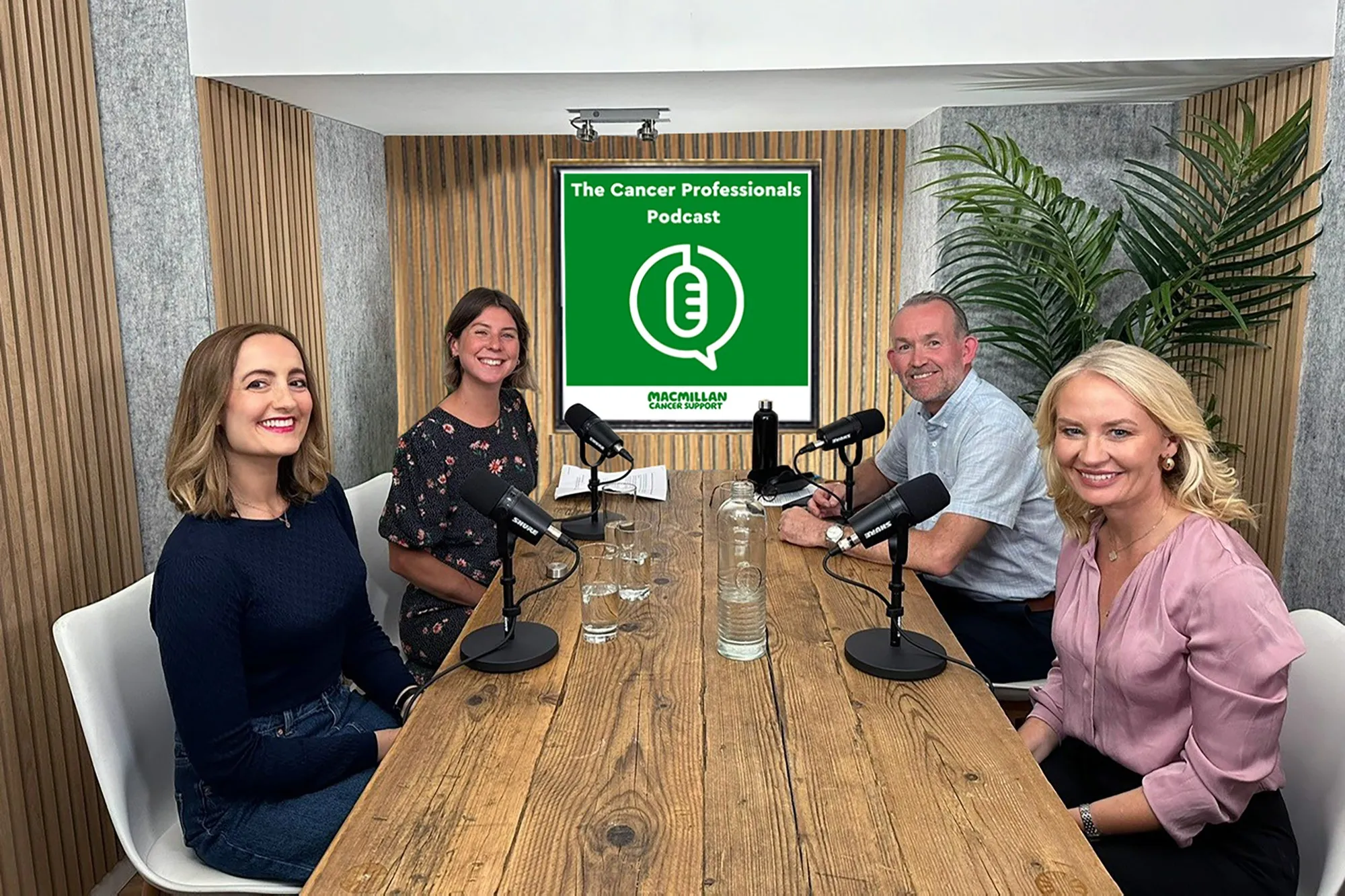
Macmillan Cancer Support: The Cancer Professionals Podcast
Summary: To increase the reach and accessibility of Macmillan’s training and education offer, the charity launched the Cancer Professionals Podcast, designed to support professionals across the cancer workforce. Recognising that time-poor professionals often struggle to access live or in-person training, it sought to create a flexible, engaging format that could be accessed anytime, anywhere.
To increase the reach and accessibility of Macmillan’s training and education offer, we launched The Cancer Professionals Podcast designed to support professionals across the cancer workforce.
Recognising that time-poor professionals often struggle to access live or in-person training, we sought to create a flexible, engaging format that could be accessed anytime, anywhere.
We self-taught production skills, experimented with content formats, and studied what makes podcasts truly engaging.
We also invested in understanding our audience – developing a tone and structure that would resonate with professionals while remaining inclusive to those with lived experience of cancer who might be listening.
This dual audience meant we needed to balance clinical depth with accessible language, and this has become a key strength of the series.
One of the key challenges we faced in setting up the podcast was curating a lineup of guests who not only brought credible expertise but also reflected a diversity of voices, roles, and perspectives across all episodes.
We’ve grown a loyal and steadily increasing listener base, amplified further by strategic promotion and a strong social media presence. Each episode is underpinned by Macmillan’s values, and we focus not just on clinical excellence, but also on equity, communication, and compassionate care.
Since launching, we secured sponsorship for an episode with a global skincare brand and have an on-going partnership with the UK Oncology Nursing Society and produce an episode each quarter in collaboration them.
Looking ahead, our aim is to expand the series, grow our audience, and use the podcast as a strategic tool to support Macmillan’s evolving priorities.
It has already become a valued learning platform, and we see huge potential to continue amplifying the voices of those delivering and receiving cancer care – while helping professionals feel better equipped and more connected in their work.
Finalists
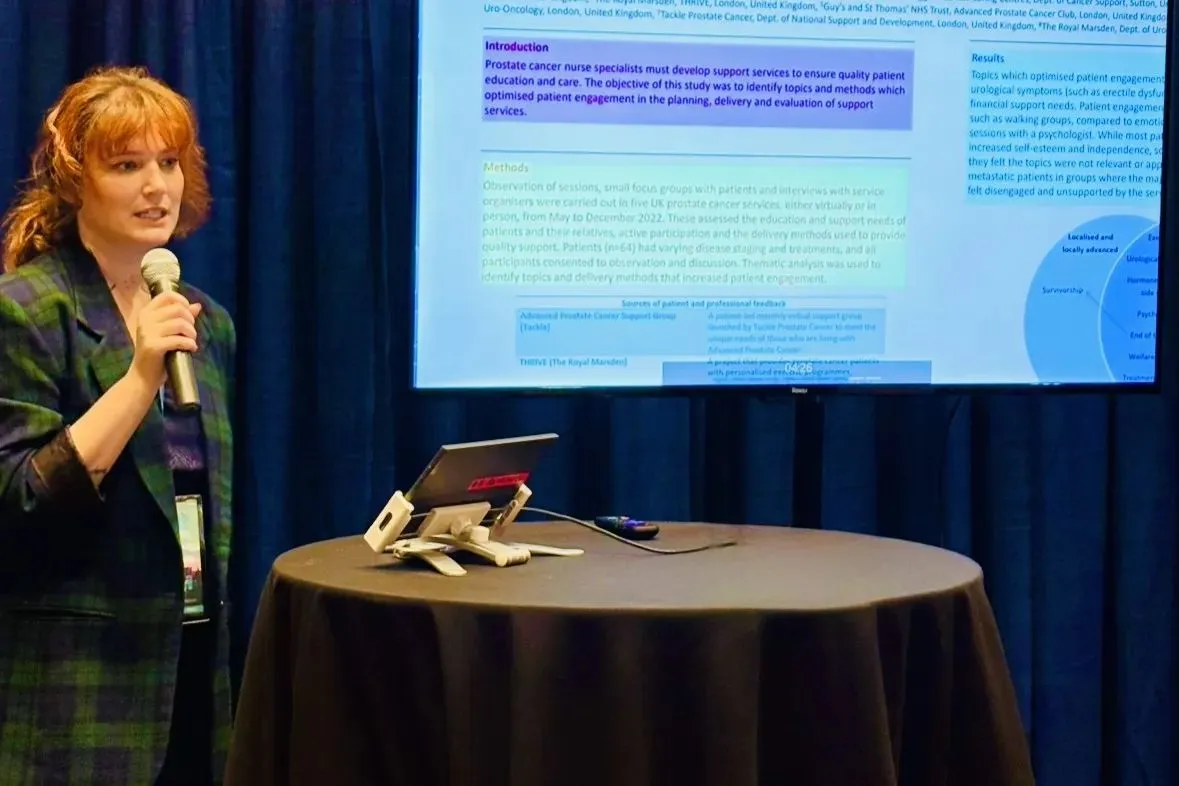
The Royal Marsden NHS Foundation Trust: Engaging prostate cancer patients to improve specialist nursing care
Summary: The trust’s support services for men, especially those with prostate cancer, were underdeveloped. Patient-centred research guided the development of tailored educational seminars, workshops, peer support groups and clinics designed to enhance engagement and improve outcomes. The project led to a remarkable rise in patient engagement.
Research shows that men with prostate cancer are 25% more likely to die by suicide than those without a diagnosis, and men are also less likely to engage with support services than women.
At the Royal Marsden, support services for men, especially those with prostate cancer, were underdeveloped, creating gaps in holistic care.
It was clear that support was needed and required focus on both developing these services and ensuring they encouraged engagement from men.
A patient-centred methodology was used to identify key support needs through surveys, focus groups, interviews, and thematic analysis. Research included engagement with external support groups such as Tackle and Maggie’s.
The findings guided the development of tailored educational seminars, workshops, peer support groups, and clinics designed to enhance engagement and improve patient outcomes.
A major challenge was overcoming the stigma around men seeking psychological and emotional support.
Many patients preferred practical and activity-based sessions rather than traditional group discussions. To address this, a walking group was introduced, which significantly increased participation.
The project led to a remarkable rise in prostate cancer patient engagement, with visits to the Maggie’s Centre increasing from 6.5% to 28%, surpassing breast cancer patients (22%).
The Prostate Cancer Networking Group also became the most ethnically diverse at the centre, ensuring inclusivity.
Patients reported improved understanding of their treatments and increased confidence in discussing concerns with healthcare professionals.
Future plans include expanding support to Croydon’s South East Cancer Centre for better accessibility, implementing a survivorship programme and enhancing services at the Chelsea site.
Further work is also underway to develop a metastatic pathway SOP, which will incorporate the new nurse-led clinics developed from this project to ensure that support for urinary symptoms and sexual wellbeing is accessible to all prostate cancer patients.
Finalists
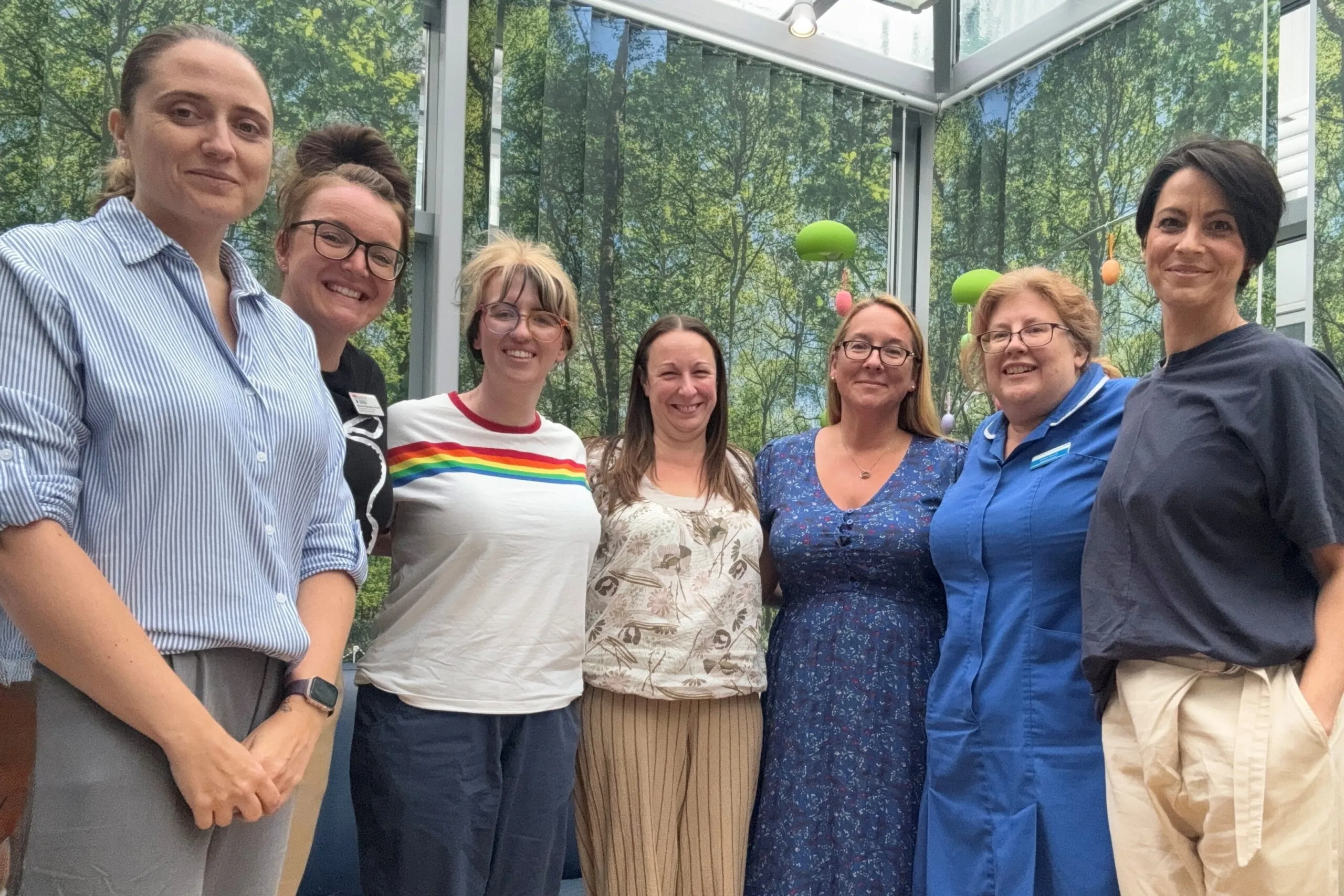
Sheffield Teaching Hospitals NHS Foundation Trust: Advancing care for teenagers and young adults through specialist support
Summary: The teenage and young adult cancer team reviewed the service they provided to teenage and young adult cancer patients, taking into consideration the young person and their family, plus other healthcare professionals involved in their care. As a result, the team developed a nurse-led end of treatment clinic and a psychology after treatment clinic.
As a team of nurses, youth support co-ordinators, Young Lives Versus Cancer social workers, psychologists, medics and multidisciplinary team co-ordinator, we work collaboratively across multiple organisations to ensure patient centred care and support.
Over the past two years we have reviewed the service that we provide to teenage and young adult cancer (TYA) patients aged 13 to 25 and how we can ensure that we are providing equitable provision.
We undertook a scoping exercise to see what was working well and what wasn’t and ways which we could address these issues.
Working together helped to look at the issue from all angles, not only taking into consideration the young person and their family, but other health care professionals who are also involved in their care.
We have developed nurse-led end of treatment clinics and psychology after treatment clinic which are evaluating well with young people and the wider professional teams involved with them.
We have also recognised the issues facing TYA teams and their own mental health needs and are the only team internationally to publish on this specific issue.
In the future, we aim to develop the clinics and are looking at publishing more about the innovations we are developing within our region.
Finalists
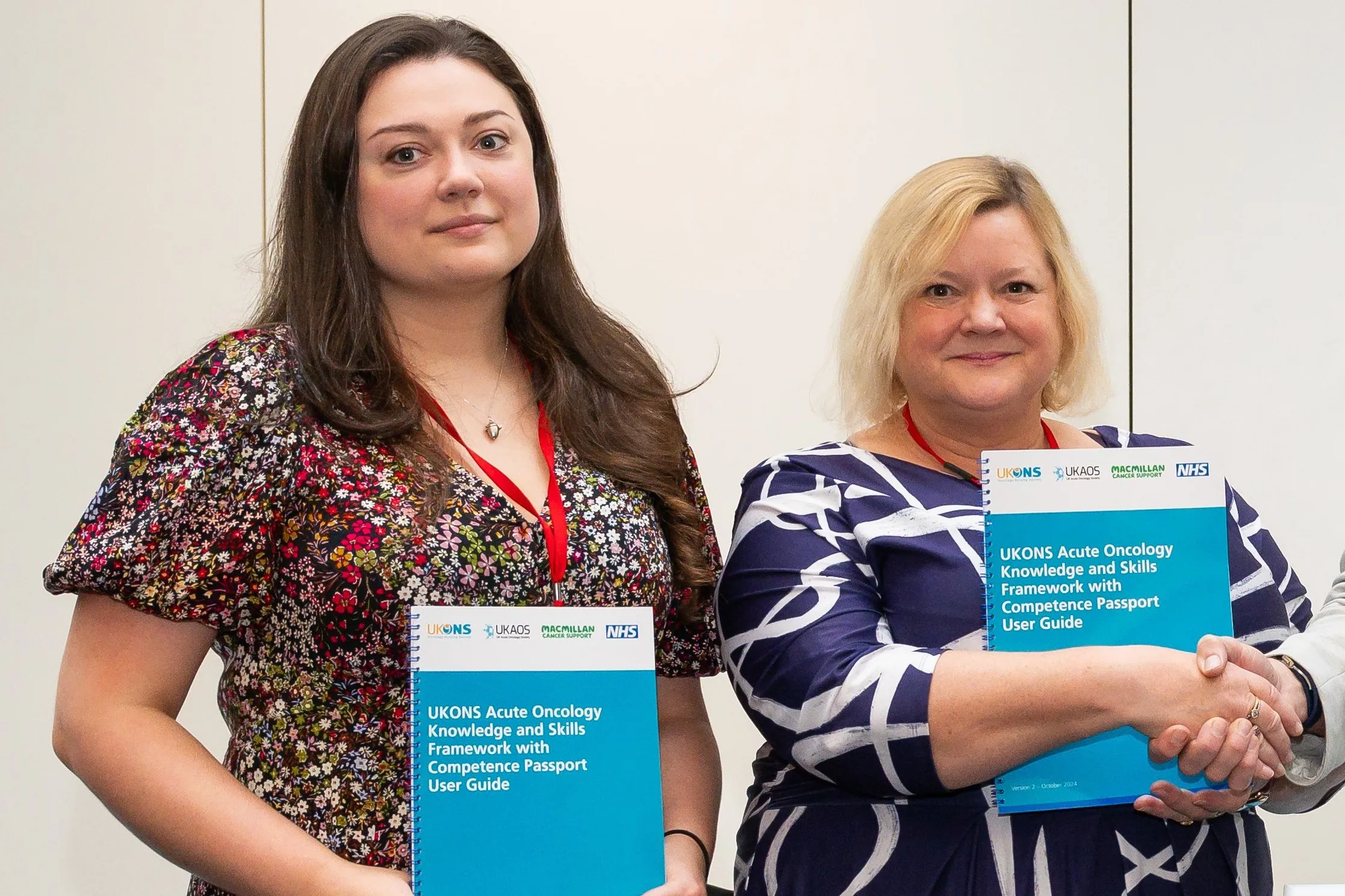
UK Oncology Nursing Society: ‘The CASCADE Project: Co-designing and evaluating standardised competency assessment in acute oncology
Summary: Patients with cancer-related emergencies may present across multiple settings. This project involved the co-design of acute oncology competence assessment documents, dubbed passports, to verify staff competence across different staff groups and disciplines. They have been evaluated and piloted in 27 trusts.
Acute oncology (AO) is a rapidly evolving specialty. Members of the UK Oncology Nursing Society (UKONS) and UK Acute Oncology Society requested standardised competence frameworks to assess staff knowledge and skills, ultimately improving patient safety.
The UKONS four-level (1-core, 2-intermediate, 3-advanced, 4-expert), multidisciplinary, learning outcomes framework (Evidence 4) was used to co-design AO competence assessment documents at each level of practice, called ‘passports’.
The passports were co-designed with key stakeholders nationally to ensure the Passports were relevant, valid and acceptable.
The passports targeted staff in diverse roles and areas of practice, ranging from primary care and ambulance services (Level 1) to acute medicine (Level 2), specialist acute oncology services (Level 3) and strategic managers (Level 4).
The Level 1 digital, automatically assessed passport was created within the Macmillan Cancer Support ‘Introduction to Acute Oncology’ e-learning course. Level 2 and 3 passports were created as question-and-answer workbooks, available in printed and electronic versions.
Assessor answer guides were created for Level 2 and 3 passports. The Level 4 passport was structured to map evidence of competence within the four pillars of practice; clinical, leadership and management, research and innovation. The passports can be used sequentially to aid career progression through the levels of practice.
Piloting and evaluating the passports was conducted during periods of industrial action and within a short timeframe.
However, the project had high-level stakeholder engagement, which meant that the passports were piloted and evaluated at 27 NHS organisations across the UK. The evaluation demonstrated that the passports were pitched correctly, relevant, acceptable and accessible.
Future plans include continued collaboration with national charities and professional organisations for long-term evaluation of the passports, ongoing dissemination, raising awareness of the importance of AO knowledge and skills for all healthcare staff, and promoting further adoption of the passports across the UK.
Finalists
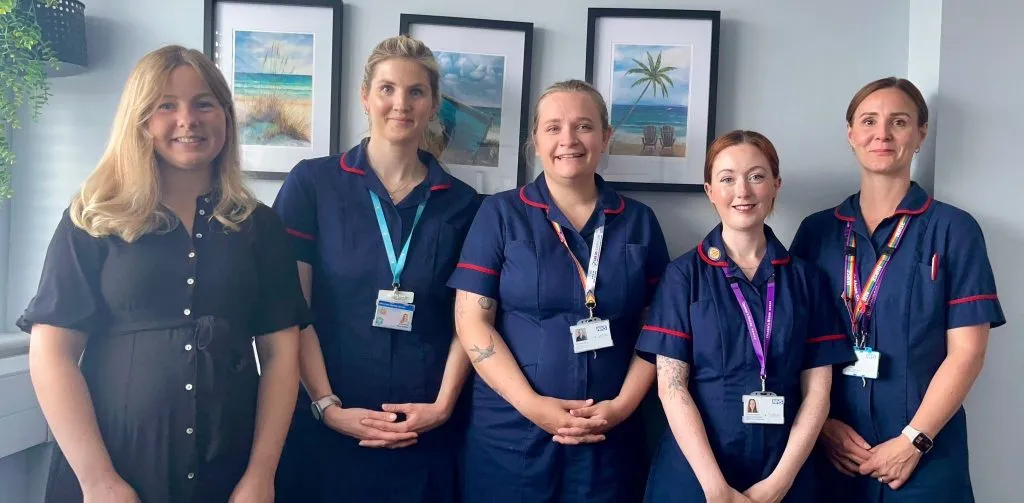
Suffolk GP Federation Community Interest Company: Very Important Invitation
Summary: This project aimed to increase cervical screening uptake across Suffolk and North East Essex. It developed a training package for primary care staff, toolkits for ongoing learning and information materials, and built partnerships with underserved communities and set up non-responder clinics.
This project aimed to increase cervical screening uptake across Suffolk and North East Essex, where most practices were achieving only 74%–77% coverage – below the national target of 80%.
Our goal was to support primary care while addressing barriers faced by the 20% not attending, particularly among underserved communities.
We developed a two-part training package for primary care staff: one session for non-clinical staff (reception, admin, care navigators), and another for clinical staff involved in screening. Toolkits were also provided to support ongoing learning and internal conversations.
Recognising the impact of health inequalities on non-attendance, we tailored our approach to meet specific community needs.
We built partnerships with organisations supporting LGBT+ individuals, faith groups, people with disabilities, ethnic minority communities, those experiencing deprivation or homelessness, and survivors of trauma.
These collaborations enabled inclusive education sessions and accessible, culturally sensitive support.
A key aspect of our approach was being visible and approachable in community spaces, offering safe, informal opportunities for individuals to ask questions.
We also developed multilingual, easy-read, and trauma-informed information materials to improve accessibility.
To further boost uptake, we facilitated non-responder clinics at GP surgeries. These were organised, booked and staffed by our team, allowing practices to reach out to those overdue for screening in a focused and supportive environment.
We also engaged local secondary schools to raise early awareness of HPV and cervical screening, promoting long-term health literacy.
Challenges included overcoming mistrust, stigma, and access barriers. However, early outcomes show increased engagement, positive feedback from practices and growing community trust.
Next steps include expanding outreach, exploring mobile screening options and evaluating long-term impact to inform wider health equity initiatives.
Finalists
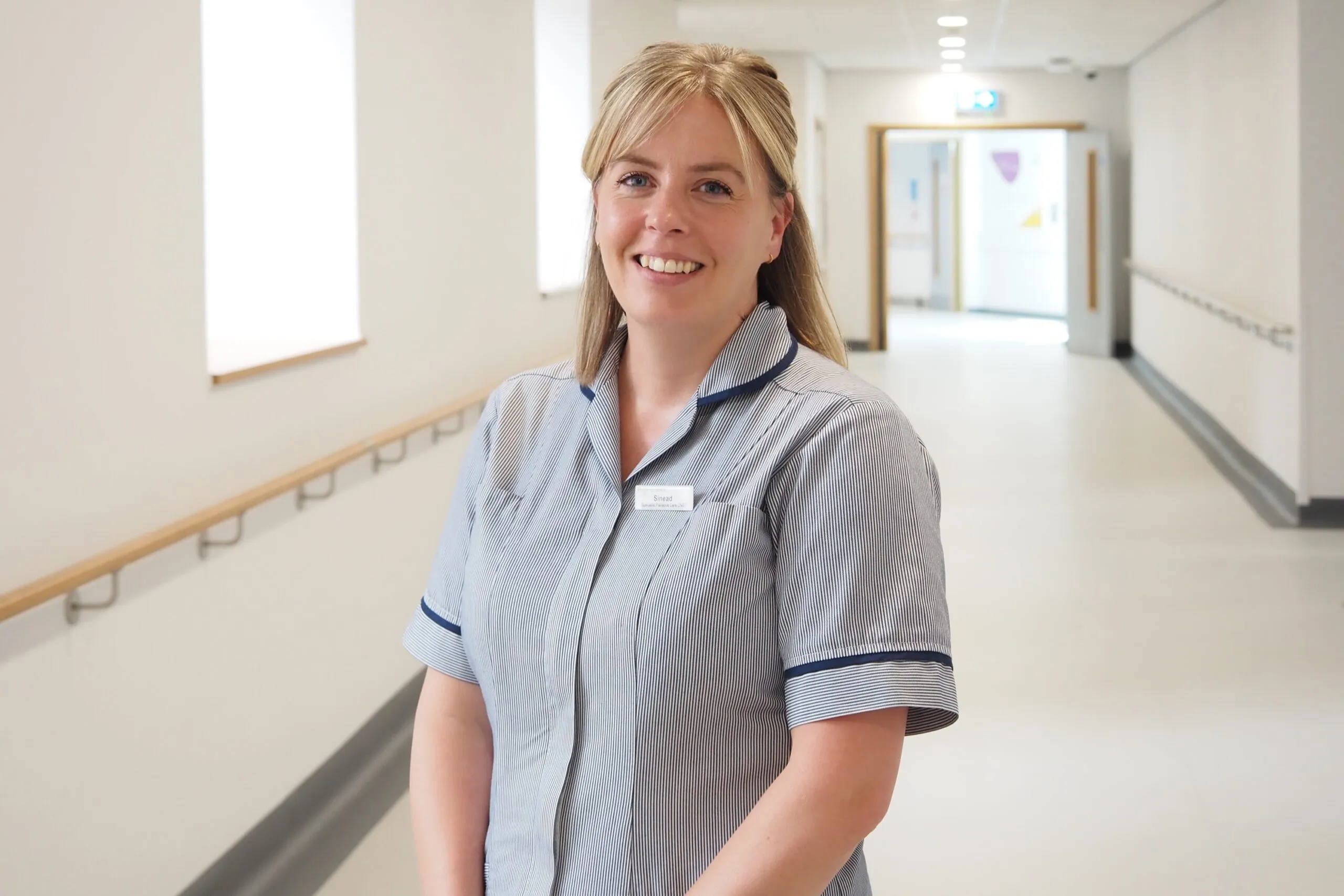
The Clatterbridge Cancer Centre NHS Foundation Trust: Enhanced supportive care within hepato-pancreato-biliary cancer
Summary: Sinead Benson, clinical nurse specialist in palliative care, led the development of a new integrated clinic for patients with hepato-pancreato-biliary cancer. Patients can now access symptom control, psycho-social support and information, as well as referrals for physiotherapy, dietetics and other services all on the same day they see the oncologist, without needing additional appointments.
Patients with hepato-pancreato-biliary (HPB) cancer typically have a poor prognosis and high symptom burden.
At our centre (a tertiary oncology centre), it has been our observation that patients who were presenting to oncology for the first time for a treatment plan were often so symptomatic that treatment could not be offered.
And while we aimed to provide palliative care support to these patients, the added further delay in waiting for a palliative care appointment often meant that patients were even more deconditioned by the time they accessed palliative care and the window for optimisation for treatment was lost.
Sinead Benson, clinical nurse specialist in palliative care at our centre has led the development of a new clinic to tackle this.
In line with our organisation-wide approach to developing enhanced supportive care (ESC), she led the development of this service provision within the HPB oncology clinic-removing the step between oncology and palliative/supportive care.
Through this integrated clinic, patients can now access symptom control, psycho-social support and information as well as timely referrals for physiotherapy, occupational therapy, dietetics, benefits assessment etc all on the same day they see the oncologist without needing an additional appointment.
This clinic launched in September 2020 and has so far had over 200 ‘walk-ins’. The challenge initially was advertising to colleagues that they could access this service same day rather than referring the patient and sending them home so that timely support was offered when needed to patients.
As well as evaluating this clinic in an academic manner for publication, Sinead intends to undertake a PhD focusing on symptom control in pancreatic cancer, enabling her patients in this clinic to access the opportunity to be included in research.
Finalists
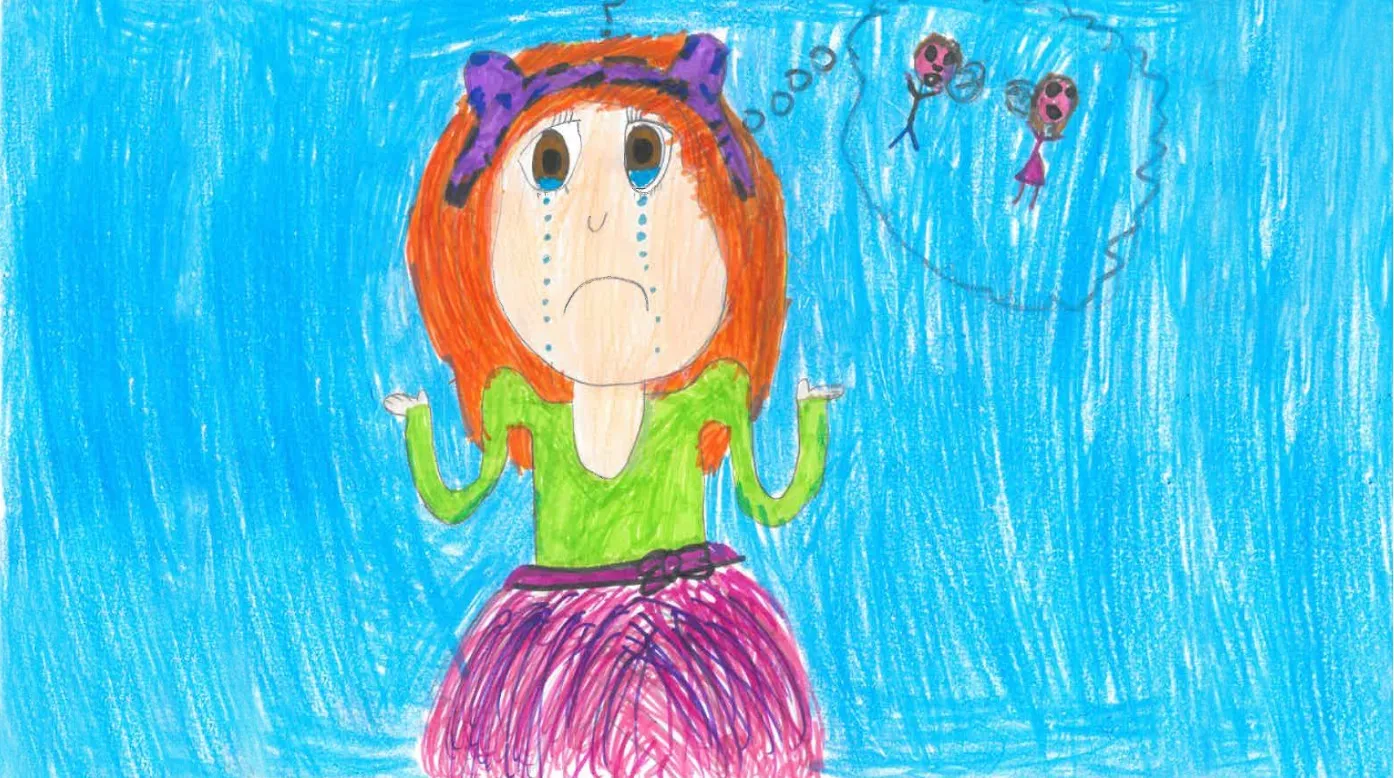
Ulster University and South Eastern Health and Social Care Trust: Family-centred cancer care
Summary: Health professionals often feel ill-equipped to support children when a parent dies from cancer. This programme promoted family centred cancer care in clinical practice, by co-producing resources, including a communication framework, short educational videos and a face-to-face educational intervention to guide staff with conversations.
Preparing children (<18) for the death of a parent to cancer is one of the most devastating experiences for families.
Parents are often unsure how best to prepare children for this end-of-life experience. Sadly, many children are unprepared for the expectant death of a parent to cancer, predisposing them to adverse outcomes in their grief.
Parents’ desire and need support from their healthcare teams on how best to support their children throughout the end-of-life experience.
More often, health and social care professionals feel ill-equipped to provide this important aspect of family-centred-cancer-care.
This programme of work aims to promote the provision of family-centred-cancer-care in clinical practice.
Following the conduct of systematic reviews and qualitative studies, several evidence-based, co-produced resources were developed.
This includes a communication framework and short educational video-resources. Integrating the evidence-base and co-produced resources, a face-to-face educational intervention was co-developed.
Co-delivered to 2000+ health and social care professionals, positive evaluations have been obtained. This includes increases to clinicians’ confidence to progress family-centred conversations in clinical practice.
To promote equitable access and sustainability of this education, it has been adapted and tested to a stand-alone, self-directed, and eLearning intervention.
The eLearning intervention has been positively evaluated by health and social care professionals globally. Currently, several of our resources are being translated and adapted for use within other cultural contexts.
Equipping health and social care professionals to deliver family-centred-cancer-care has a two-fold benefit: positively impacting the lives of families for the future whilst building resilience in the cancer care workforce.
We aim to strive forward, making positive improvements to the provision of family-centred-cancer-care in clinical practice.
In July 2025, we will commence our NIHR-funded study exploring how useful, relevant and applicable our resources are for the healthcare workforce in supporting families living in deprivation across the UK.
Further reading on the 2025 Nursing Times Awards
You can also read more about the other winners and finalists in the 2025 Nursing Times Awards supplement and make sure you consider entering this year’s Nursing Times Awards.
