



If you’re looking to score high-quality home décor pieces at a fraction of retail prices while promoting a more sustainable, low-waste lifestyle, then thrift shopping might be a good fit. Whether you are hunting for rare vintage treasures or looking to furnish a room on a budget, the joy of finding one-of-a-kind items at a bargain is undeniable.
However, shopping for used items comes with some risks. “Secondhand shopping should balance excitement with caution,” warns Olga Gonzalez, an avid secondhand shopper who has a background in studying antiques, decorative arts, restoration, and the long-term preservation of objects. “Vintage and pre-owned items often have the most incredible craftsmanship, history, and character that are difficult to find in modern mass-produced goods; however, buyers should never let art alone override practical inspection.”
Failing to closely inspect your finds can turn a great deal into a costly mistake, from hidden structural damage to serious health and safety hazards. To ensure your next secondhand purchase is a smart investment rather than a liability, it is essential to know exactly what to look for before bringing an item home. We’ve highlighted the most common risks with secondhand home shopping and how to ensure you don’t bring home a problematic piece.
1. Lead
Lead is one of the most common and overlooked concerns when shopping for vintage home goods, especially painted furniture, ceramics, dishware, and children’s items made before 1978, says Gonzalez. Warning signs include deteriorating paint that is chalky, cracking, chipping, peeling, or heavily worn around edges and corners. “Shoppers should ask the seller approximately how old the piece is, whether it has ever been refinished or repainted, and if any lead testing has ever been done,” suggests Gonzalez.
If the seller doesn’t have results of a lead test, you can conduct your own on the spot. “Lead test swabs are inexpensive and easy to carry while shopping at flea markets or estate sales, and they can provide a quick initial indication of risk,” she adds.
If you bring an item home and suspect it contains lead, avoid sanding or disturbing the finish, since that can release harmful particles into the air. “In many cases, professional encapsulation or restoration is possible, but heavily deteriorated items, especially anything intended for children, are usually best avoided altogether,” says Gonzalez.
2. Asbestos
Asbestos was commonly used in furniture manufactured in the 1930s through the 1960s to provide supportive cushioning. It was also used in appliances and small home furnishings like desk lamps. Asbestos is not usually in the visible wood frame of furniture itself, but it can appear in older heat-resistant components such as backing boards, insulation panels in cabinet-style furniture, or adhesive materials used in mid-century construction, says Stuart Murray, founder of Retrovintage in the United Kingdom where he routinely sources, inspects, and restores vintage home furnishings.
For asbestos, there’s no instant consumer test, so the key sign is material type and condition. “Inspect for brittle, fibrous backing materials or anything that looks like compressed grey board that is breaking down at the edges,” explains Murray. “If a backing board is crumbling, powdery, or looks like compressed fibrous cement, I would avoid handling it further.” With asbestos concerns, he advises against DIY repair. “If a component is suspected to have asbestos, it should be professionally assessed and removed by licensed specialists, and the same applies if there is any crumbling material inside a vintage piece.” In those cases, preservation or replacement of the item is the only responsible route.
3. Bed Bugs
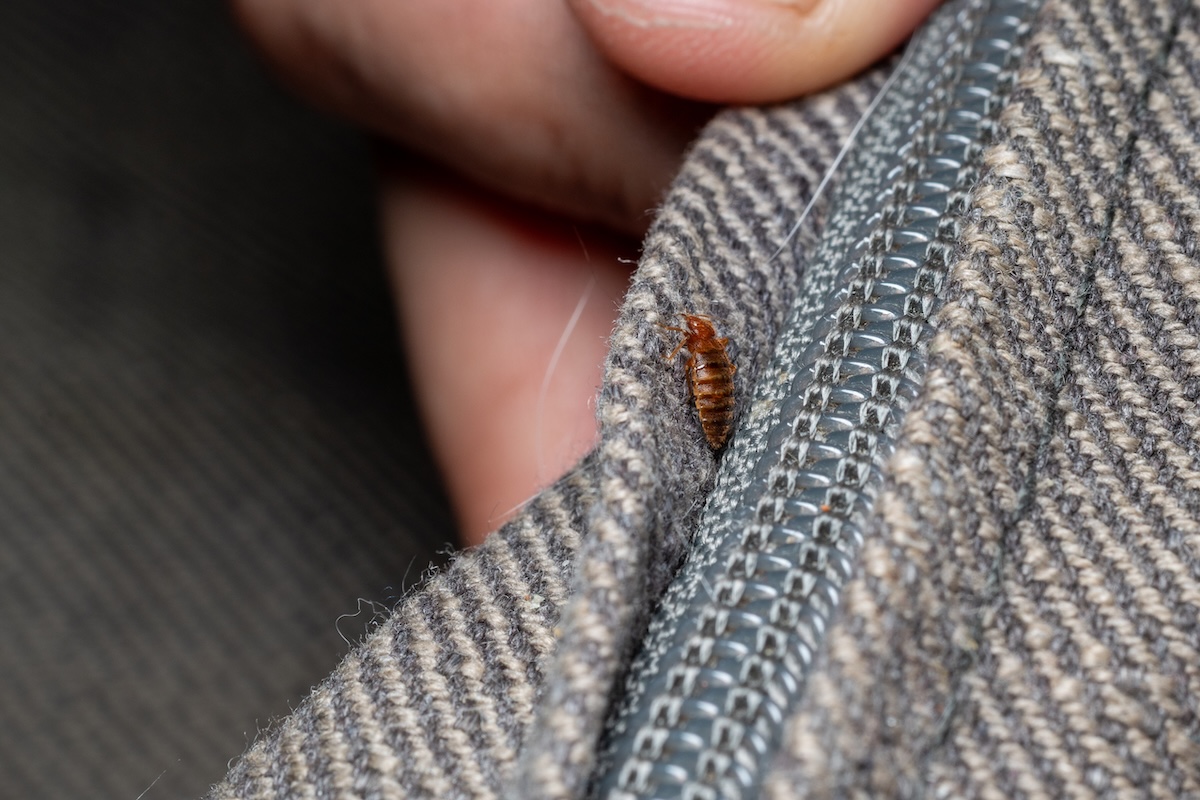
Many people are surprised to learn that bed bugs are found not only in mattresses; they can also infest upholstered furniture, wood furniture, rugs, and anything with fabric. “If you buy a secondhand mattress, check the seams, piping, tags, handles, and the underside of the mattress for live bugs, tiny white eggs, shed skins, dark spots, and small blood stains,” warns Nicole Carpenter, president of Black Pest Prevention in Charlotte, North Carolina. To check furniture for bed bugs, she suggests looking inside seams, cracks, screw holes, joints, cushions, and underneath the frame for the same evidence. A flashlight can help you inspect hard-to-see areas.
Bed bugs are quite hard to eliminate, requiring repeated treatment and monitoring for several weeks. In the worst-case scenario, they can spread from an infested item to other belongings in your home. “If you buy used furniture, upholstery, or even a secondhand rug, I always recommend treating it before bringing it fully inside to avoid bringing bed bugs into your home,” says Carpenter. “This helps kill any bugs if some were sitting in the hidden spots or if bed bug eggs were laid in the fabric.” If possible, wash the item in water at 120 degrees Fahrenheit and use a dryer on high heat for at least 30 minutes. For items that can’t be washed, use a vapor steamer on seams, folds, cracks, and upholstered areas.
4. Termites
Termites are a potential problem when you buy secondhand wood furniture, antiques, picture frames, and other wooden decor. Inspect the underside, interior drawers, back panels, and structural joints of used wood items by looking for tiny holes, hollow-sounding wood, mud tubes, powdery dust, soft spots, warped areas, weakened corners, and damaged joints, says Carpenter.
Don’t hesitate to ask the seller a few questions before committing to the sale. “You can ask for a termite inspection report, which is quite common in areas where termites are a known problem,” notes Carpenter. “You can also ask if the wood was treated for termites or which wood preservatives or termiticides were used for termite protection; pressure-treated wood products are treated under pressure and infused with preservatives that act as termite protection.”
If you see signs of termites, then walk away. “Buying wood items with termites can turn into structural damage if termites spread to other wood in your home.” If you notice termites once you bring the item home, move it outside away from the house. “You’ll want to have it inspected or treated by a pest control professional,” advises Carpenter.

Meet the 2025 Tools of the Year
