

A recent ruling by the Supreme Court of the United States invalidating tariffs imposed under the International Emergency Economic Powers Act (IEEPA) has created a significant fiscal challenge for the federal government.
The court determined that the administration lacked authority to impose broad tariffs using the emergency powers statute. As a result, many duties imposed earlier in 2025; including those announced during the administration’s so-called “Liberation Day” tariff push were scrapped.
Because the tariffs had been generating substantial revenue, their removal left a sizable hole in projected federal finances.
Treasury faces a projected $1.6 trillion deficit increase
According to a new analysis from the Congressional Budget Office (CBO), the loss of tariff revenues could significantly increase federal deficits over the coming decade.
CBO Director Phillip Swagel reported that primary deficits; excluding macroeconomic changes will be about $1.6 trillion higher between 2026 and 2036 than previously projected.
The administration had anticipated roughly $300 billion per year in tariff revenue, which was expected to help fund a range of policies.
Those initiatives included tariff rebate checks to consumers and corporate tax write-offs included in the administration’s major legislative package, known as the One Big Beautiful Bill Act.
Borrowing costs could rise by another $400 billion
Lower federal revenue typically leads to increased borrowing, and the CBO said that is likely in this case as well.
Because deficits are projected to widen, the government will need to issue additional debt to finance spending. As a result, the CBO estimates that interest payments on the national debt will rise by another $400 billion between 2026 and 2036 compared with earlier projections.
Taken together, the loss of tariff revenue and the higher borrowing costs could significantly expand federal deficits.
The CBO estimates that deficits between 2026 and 2036 will be roughly $2 trillion higher than they were before the Supreme Court decision.
The ruling therefore has implications not only for trade policy but also for the long-term federal fiscal outlook.
Some economic effects may be less severe

Despite the fiscal challenges, the end of the IEEPA tariffs could have some positive economic effects.
Swagel noted that the tariffs had been expected to temporarily raise inflation and reduce economic activity.
“In the most recent outlook, we projected that changes in trade policy since January 2025 would temporarily raise the rate of inflation, reduce real investment, lower the level of real gross domestic product, and reduce employment. The termination of IEEPA tariffs dampens those effects.”
The 15% tariff uncertainty
The fiscal outlook is further complicated by uncertainty surrounding new tariffs announced by the administration.
Following the Supreme Court ruling, President Donald Trump issued a proclamation imposing a temporary global tariff under Section 122 of the Trade Act of 1974.
The measure added a 10% surcharge on imports into the United States beginning Feb. 24 and lasting for 150 days. However, the president later said on social media that the tariff would effectively be 15%, even though formal documentation has not yet reflected that higher rate.
Budget analysts say the temporary tariffs could recoup some revenue but are unlikely to fully replace what was lost.
The Committee for a Responsible Federal Budget estimates that a 10% tariff over the 150-day period would generate about $35 billion. If the rate rises to 15%, the revenue could reach roughly $50 billion.
If Congress extends the tariffs or they are implemented through other legal mechanisms, the group estimates the duties could generate about $900 billion between 2026 and 2036 at a 10% rate, or roughly $1.3 trillion at 15%.
Even so, those figures fall short of the $2 trillion deficit increase projected by the CBO following the court ruling.
Administration argues tariff revenue will remain stable
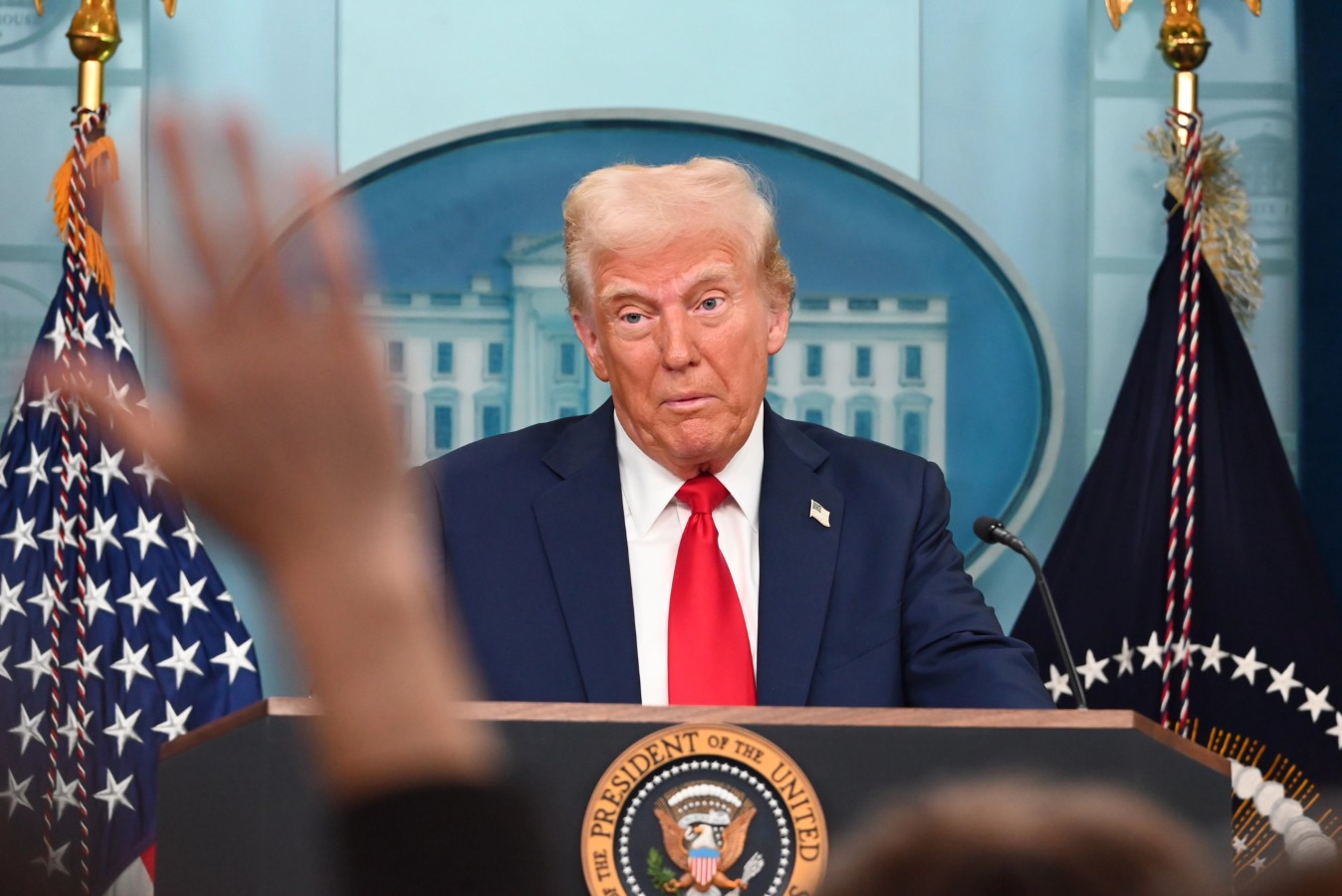
Officials in the administration have downplayed concerns about the fiscal impact.
Treasury Secretary Scott Bessent told the Economic Club of Dallas that new tariffs implemented under alternative legal authorities could stabilize federal tariff revenues.
New duties under Section 122, along with potential permanent tariffs imposed under Section 232 of the Trade Expansion Act or Section 301 addressing unfair trade practices, will “result in virtually unchanged tariff revenue in 2026,” Bessent said.
Government collected $166 billion under the now-invalid tariffs

Meanwhile, the government is facing another major challenge: refunding the duties that were already collected.
The U.S. Customs and Border Protection (CBP) told the U.S. Court of International Trade that it collected roughly $166 billion in tariffs imposed under the IEEPA authority.
Those payments were made by more than 330,000 importers across more than 53 million import entries.
Following the Supreme Court ruling, the court ordered that the duties be refunded with interest.
CBP officials say the refund process will be complex and cannot begin immediately.
In a court filing, trade programs directorate executive director Brandon Lord said the agency’s existing technology and procedures were not designed to process refunds on such a massive scale.
Processing all 53 million tariff entries using current systems would require more than 4.4 million hours of staff work.
The agency said it is developing new functionality in its Automated Commercial Environment system to consolidate refunds by importer rather than issuing tens of millions of separate payments.
Courts and states continue to challenge tariff strategy
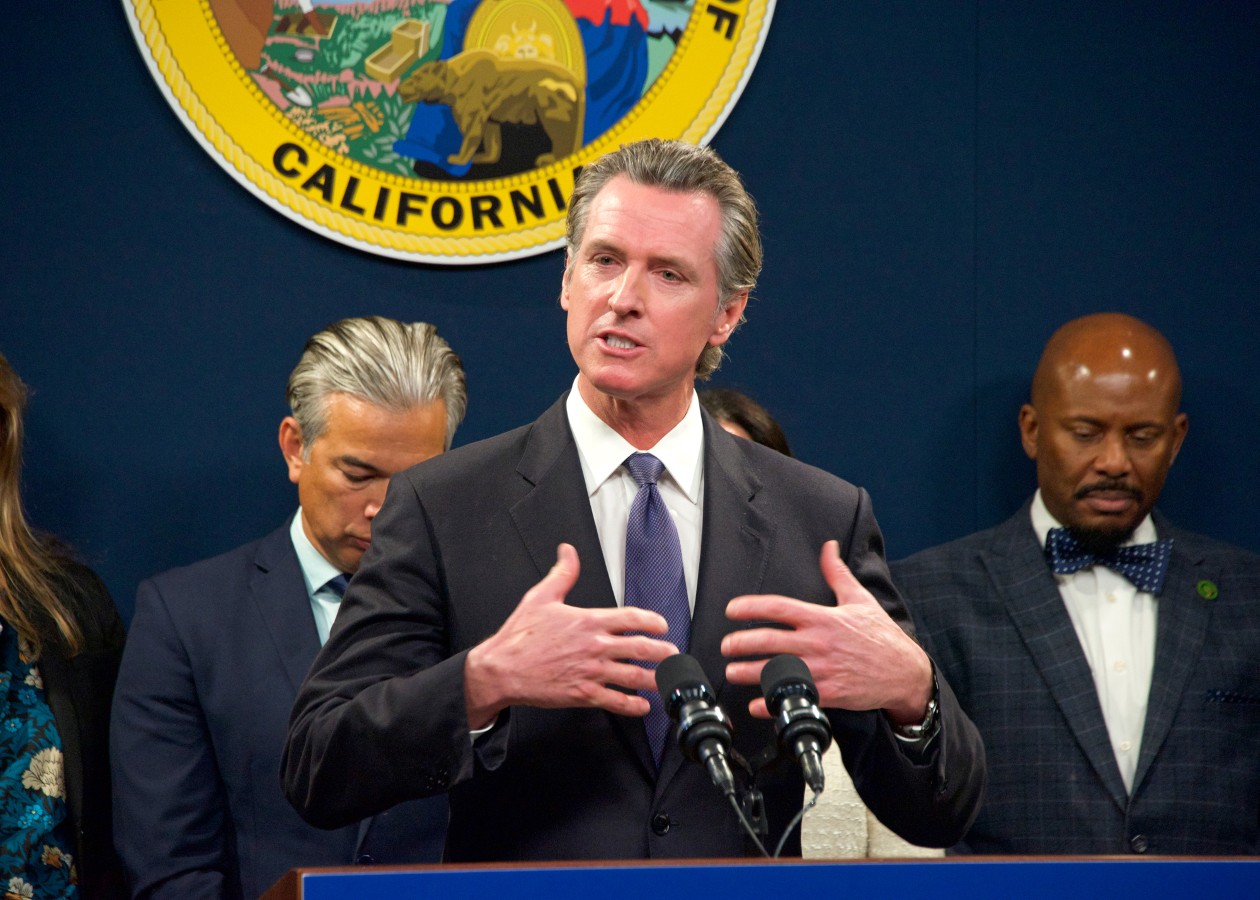
The tariff fight may not be over.
Judge Richard Eaton of the Court of International Trade ordered CBP to calculate and refund the tariffs after the Supreme Court ruling in the case Learning Resources, Inc. v. Trump.
The administration could still appeal the refund order to the U.S. Court of Appeals for the Federal Circuit, potentially delaying payments.
At the same time, a coalition of Democratic state attorneys general has filed new lawsuits challenging the administration’s attempt to impose fresh tariffs under alternative authorities, arguing the new measures attempt to sidestep the court’s decision.
As those legal battles continue, the fiscal impact of the ruling; and the future of U.S. tariff policy; remain uncertain.
Like Financial Freedom Countdown content? Be sure to follow us!
14 essential strategies to maximize your Social Security and avoid costly mistakes
Social Security is a vital lifeline for many seniors, providing crucial income support during retirement. With inflation at its highest in four decades, Social Security’s inflation-adjusted benefits offer protection against rising costs.
Rising interest rates have disrupted many retirement portfolios, causing bond fund values to plummet. In this volatile financial landscape, Social Security can stabilize a typical stock-bond retirement portfolio. By implementing smart strategies, retirees can maximize their Social Security benefits and ensure a more secure financial future.
14 Essential Strategies to Maximize Your Social Security and Avoid Costly Mistakes
11 reasons you should claim Social Security early

Deciding when to claim Social Security is often about maximizing your benefit. Financial planners usually advise delaying your claim for as long as possible to secure the highest monthly payment. Your benefit is based on your lifetime earnings, with a full payout available at your full retirement age (FRA), which is currently between 66 and 67 depending on your birth year. Claiming before FRA results in a permanent reduction in your monthly benefit, while waiting beyond FRA leads to a permanent increase. However, the decision isn’t solely about maximizing the monthly check. Personal factors such as health, family circumstances, and financial needs can play a significant role in determining the right time to claim.
11 Reasons You Should Claim Social Security Early

Did you find this article helpful? We’d love to hear your thoughts! Leave a comment with the box on the left-hand side of the screen and share your thoughts.
Also, do you want to stay up-to-date on our latest content?
1. Follow us by clicking the [+ Follow] button above,
2. Give the article a Thumbs Up on the top-left side of the screen.
3. And lastly, if you think this information would benefit your friends and family, don’t hesitate to share it with them!

John Dealbreuin came from a third world country to the US with only $1,000 not knowing anyone; guided by an immigrant dream. In 12 years, he achieved his retirement number.
He started Financial Freedom Countdown to help everyone think differently about their financial challenges and live their best lives. John resides in the San Francisco Bay Area enjoying nature trails and weight training.
Here are his recommended tools
Personal Capital: This is a free tool John uses to track his net worth on a regular basis and as a retirement planner. It also alerts him wrt hidden fees and has a budget tracker included.
Platforms like Yieldstreet provide investment options in art, legal, real estate, structured notes, venture capital, etc. They also have fixed-income portfolios spread across multiple asset classes with a single investment with low minimums of $10,000.