


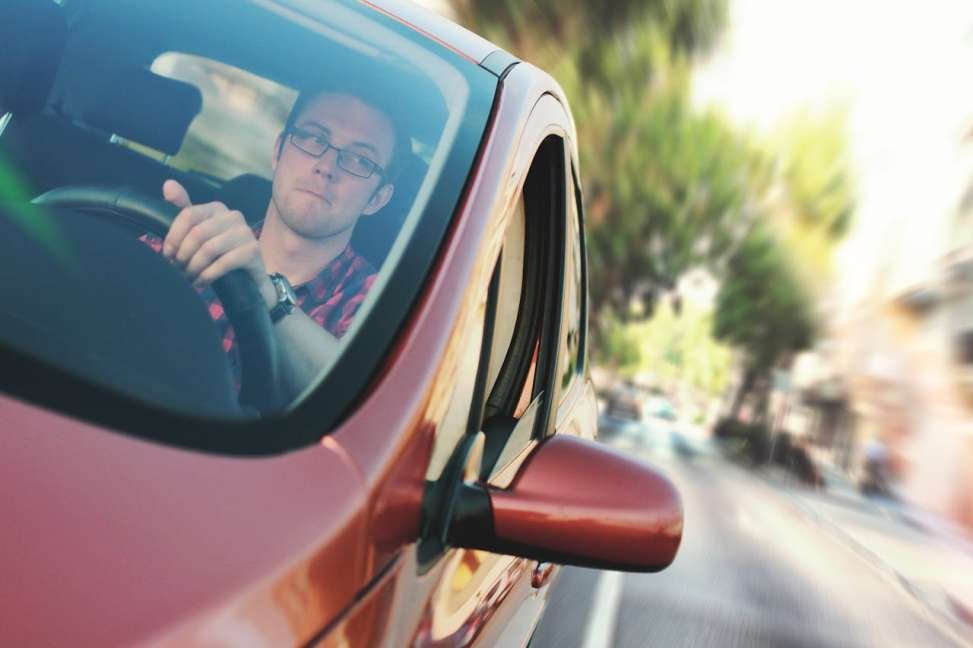
It isn’t just your imagination that the commute feels more hostile lately. When we step into our cars, we aren’t just bringing our sunglasses; we’re bringing the weight of the world with us. Between the sudden anxiety of a new conflict overseas and the frustration of watching inflation drive up the cost of every gallon of gas, our collective patience is wearing thin. This is why learning simple de-escalation techniques for road rage is more than just a safety tip—it is a necessary tool for protecting your mental health in an era where everyone seems to be driving on a short fuse.
When we feel powerless about decisions made in Washington or the rising prices at the pump, that stress often looks for an exit, and it usually finds one on the highway. By understanding the psychology of this modern stress, we can use simple de-escalation techniques for road rage to disarm a tense situation before it spirals out of control.
Finding Your Physical Reset
When someone cuts you off or rides your bumper, your body doesn’t really know the difference between a traffic slight and a genuine physical threat. Your heart rate spikes, your grip on the wheel tightens, and that “fight or flight” response—already primed by the morning’s news of conflict or the high price on the gas station sign—takes over completely. One of the most simple de-escalation techniques for road rage is to break that physical cycle before your emotions spiral out of control. Start by checking your hands; if your knuckles are white, you’re signaling to your brain that you’re in a fight. Consciously relax your fingers, drop your shoulders, and take one long, slow exhale. It’s a physical “downshift” that forces your nervous system to move out of combat mode and back into a state of control.
Shifting the Mental Narrative
The strange thing about the psychology of the road is that we rarely see people; we just see machines. It is incredibly easy to get angry at a “black SUV,” but it is much harder to stay furious at a human being who is likely struggling just as much as we are. To use simple de-escalation techniques for road rage effectively, you have to humanize the person behind the wheel. Instead of assuming the driver who just swerved is a jerk, try telling yourself they might be rushing to a family emergency or that they’re simply overwhelmed by the same economic anxieties weighing on everyone else in 2026. Even if you’re wrong, that mental reframing lowers your blood pressure and reminds you that “winning” the lane isn’t nearly as important as getting home safely.
Choosing Peace Over Being Right
In a world that feels increasingly out of control, it’s tempting to try and “enforce the rules” on the highway, but that is a trap. We have to realize that when we react to an aggressive driver, we are giving them control over our day and our safety. The ultimate goal of simple de-escalation techniques for road rage is to prioritize your own peace over being “right” in a traffic dispute. If someone is tailgating you or acting erratic, the bravest thing you can do is simply signal, move over, and let them pass. By “losing” the battle for the lane, you’re actually winning the much bigger battle for your own mental well-being and security during these uncertain times. This is especially important to remember living through these stressful times we find ourselves in.
Your 30-Second Guide to Staying Calm
If you’re in a rush but want to stay safe, here are the most simple de-escalation techniques for road rage to bear in mind when the road gets tense:
Check Your Grip: If your knuckles are white, your brain is in “fight” mode. Relax your hands to relax your mind.
The Power Exhale: One long, three-second breath out can physically override your stress response.
Don’t Take it Personally: Remind yourself that the other driver is likely just as stressed about inflation and the news as you are.
Give Up the Lane: It isn’t about being right; it’s about getting home. Let the aggressive driver pass and reclaim your peace.
Avoid Eye Contact: In 2026, a stare can be seen as a challenge. Keep your eyes on your own path and stay focused on your safety.
Bringing It All Home
At the end of the day, we have to realize that when we react to an aggressive driver, we are accidentally handing over our peace of mind to a total stranger. In a world that feels increasingly out of control, your car should be your sanctuary, not a second battlefield. Using these simple de-escalation techniques for road rage isn’t about letting someone “get away” with bad driving; it’s about making a conscious choice to protect your own mental well-being. Whether it’s taking that deep breath or simply moving over to let a frustrated driver pass, you are choosing to arrive at your destination safe, calm, and ready to face whatever stressful times throws at us next.
