


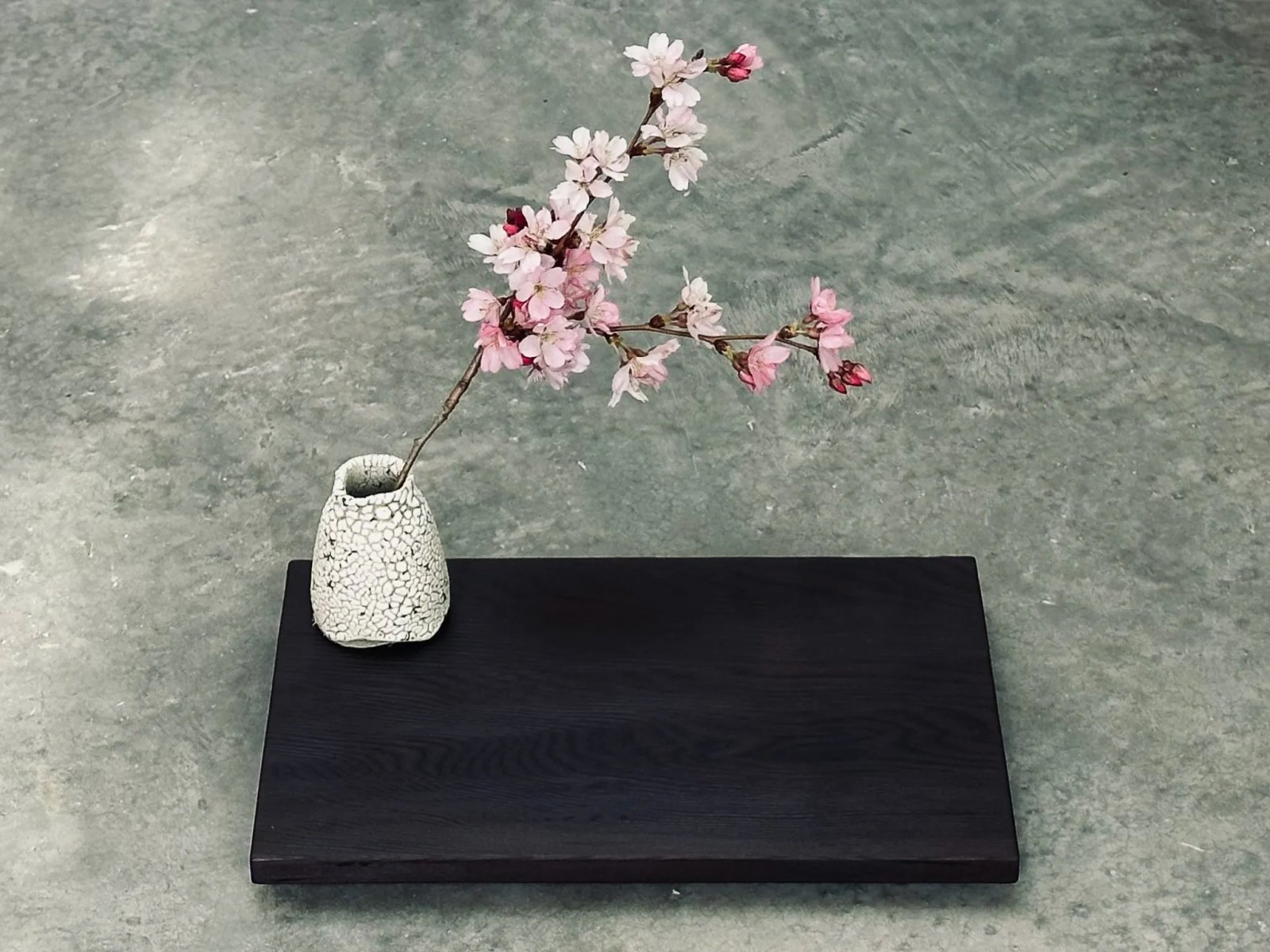
1. Lay Out
The first step is to do a little layout. I’ll start by marking the thickness of the top at ½”. Then I lay out the feet. They will have a base measurement of 1″ wide, and start 1″ in from all four edges. Next, from the bottom of the feet, I’ll mark 60° lines.
2. Cut
Now it’s over to the table saw. I start by setting the blade to 60°, and to a height just barely touching the top line, then clamping a stop to a sliding miter gauge to make all of the internal cuts, and I cut all four sides. Once those are done, I move the stop and make all four of the external foot cuts.
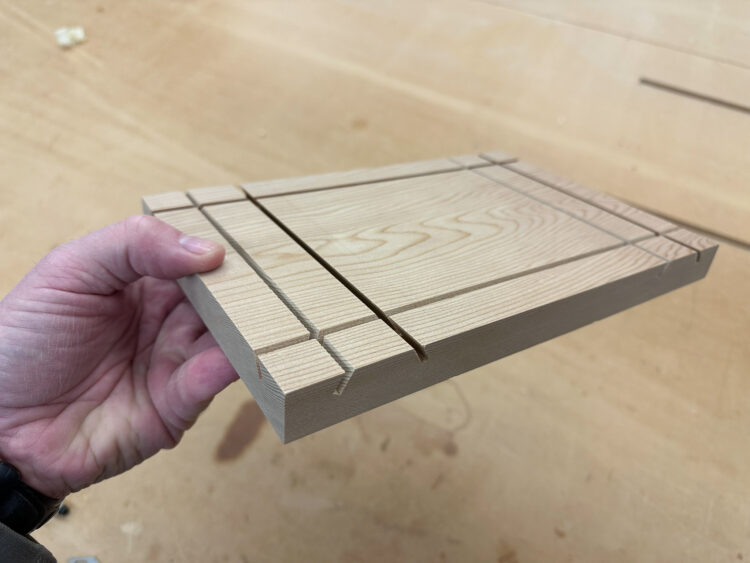
Next I set the blade back to 90°, reset the height and make a bunch of kerfs between the feet, being careful not to cut into them. These kerfs are to make the removal of the material easier for the chisel. One could also just use a dado stack and take it all out that way, but I’m going to chisel.
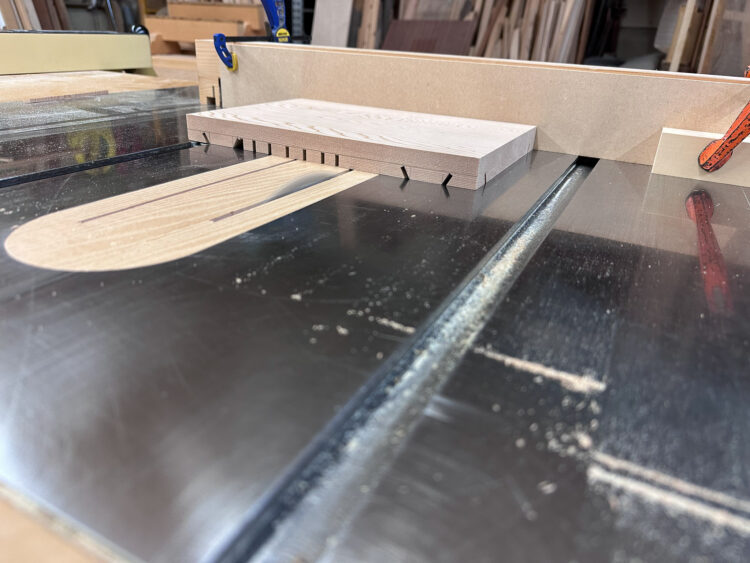
After all the kerfing is complete, with the piece on edge against a fence set at ½”, I’ll reset the blade height to the line of the foot, and cut all four sides.
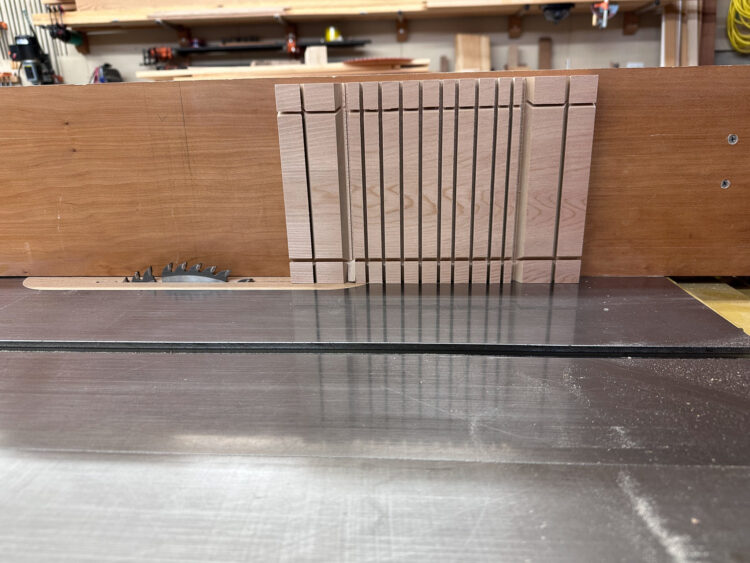
3. Chisel
Using a chisel and working from both sides, I remove all of the kerfed material between the feet. Avoid taking heavy passes because difficult grain can dive and curl in ways that cause a lot of tear-out.
4. Sand
When all the waste is removed I use a sander to clean it up. Even though the piece will be getting charred, any scratch or defect or pencil marks can telegraph through the burn, so it’s a good idea to sand the whole thing smooth.
5. To the Torch!
To start out I give the bottom a light scorching. I don’t want to give it a full burn, just enough to help counteract the cupping that burning only one side can cause. Once it has sort of a tortoiseshell look, I’ll start doing the edges.
Burn the edges using multiple passes, always blowing out any spot that keeps burning after the torch has passed. When all the sides are done, it’s time for the top. Again, getting it to an even, shiny black is best done in two or three passes.
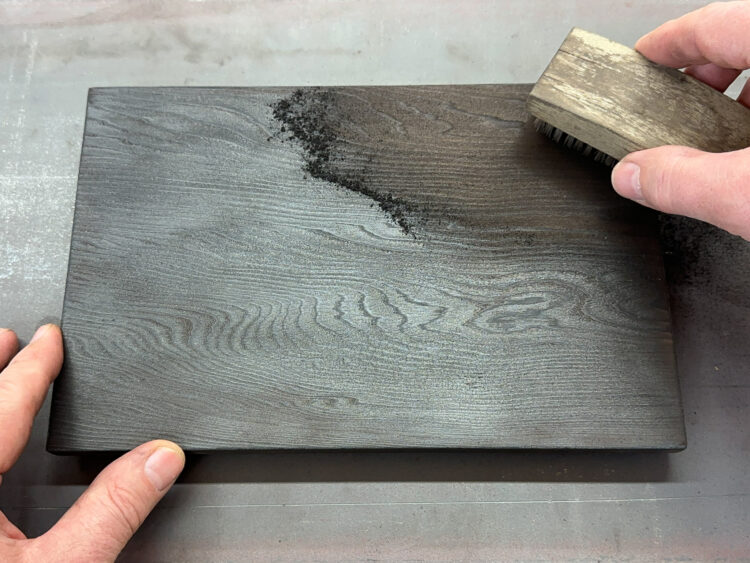
When everything has a cohesive burn, I use a fingernail brush to gently remove all the char. After brushing I use a paper towel to clean off all the loose dust.
6. Finish
Because this will be used for display, it’s a good idea to coalesce the surface. For this one I’m using two coats of satin Minwax Wipe-On Polyurethane. It goes on thin and maintains the feel of the piece without over-saturating or creating a visible film. Paste wax or thinned shellac work well too, each having different looks. Keep in mind that even with a finish, these are relatively delicate surfaces, so they should be handled with care.
Conclusion
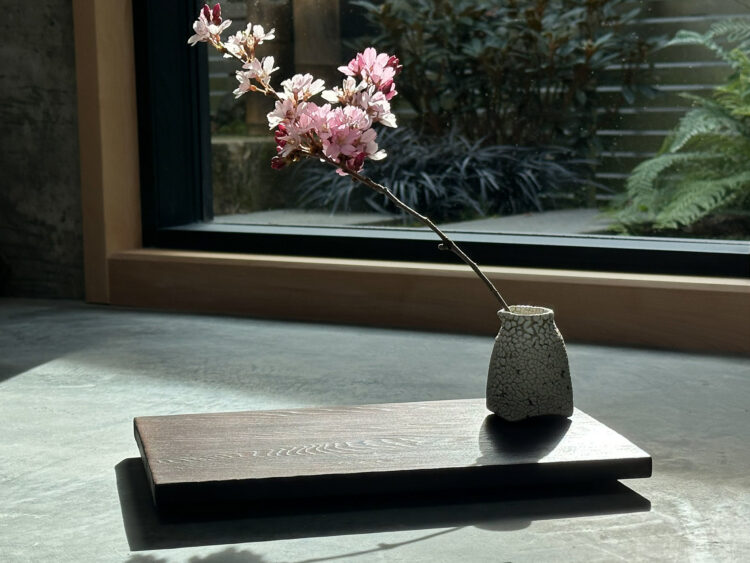
This project appeared in Make: Volume 97.
