



Dr. Mehmet Oz, administrator of the Centers for Medicare and Medicaid Services, is working to persuade Americans to delay retirement by at least one year. His pitch centers on the idea that working longer reflects strength, independence and continued purpose in later life. The question is whether Americans; especially those facing financial or physical constraints will embrace that message.
The economic argument behind working longer
Oz argues that even a modest delay in retirement could have a massive economic payoff. Getting Americans to work one year longer would generate about $3 trillion for the economy because “they feel healthy, they’re vital, they feel strong, they have agency over their future,” he said at the National Press Club.
The idea ties individual decisions about retirement directly to broader national outcomes like growth and debt reduction.
Dr. Oz has also framed the issue as a societal benefit. “It’s better for society if people engage for longer,” he said in an interview. The argument suggests that extended participation in the workforce strengthens communities, productivity and even public finances.
Political backlash from Democrats

The proposal has quickly drawn criticism. The Democratic National Committee attacked Oz’s comments, suggesting he was encouraging Americans to work longer to offset the costs of policies backed by Donald Trump, including tax and immigration measures that added trillions to the deficit. The clash highlights how retirement policy is deeply intertwined with partisan economic debates.
Why income and education shape retirement decisions

Research shows that how people respond to Oz’s message depends heavily on their income and education level. Higher earners with college degrees are far more likely to continue working into their late 60s, often because they enjoy their jobs, have better health and see work as part of their identity.
Among Americans with graduate degrees, 76 percent are still working at age 67, compared with just 39 percent of those with only a high school diploma. Wealthier individuals also tend to have more savings and longer life expectancies, making extended careers both more feasible and more attractive.
Lower-income workers face a different reality

For lower-income Americans, the situation is starkly different. Many work physically demanding jobs, have fewer savings and experience shorter lifespans. These workers are far less likely to find their jobs fulfilling or sustainable into older age, making the idea of delaying retirement less realistic.
Most people do not have jobs that are that intellectually engaging, and they have other things they want to do in life.
Retirement age trends in the United States

Americans are already retiring later than in previous decades. The average retirement age has increased by about four years since the 1980s, with men retiring at 64.6 and women at 62.6 in 2024, according to the Center for Retirement Research at Boston College. However, experts say this trend may be slowing as key drivers; such as increased life expectancy and changes to Social Security have largely played out.
Health, longevity and inequality

Health plays a major role in retirement timing. Wealthier Americans live significantly longer; by about eight years for men and five years for women compared to the poorest groups. Dr. Oz argues that improving public health could help more people work longer, saying, “I do have concerns that part of the reason people retire at age 61 instead of 65 is because they don’t feel healthy.”
The Social Security incentive to wait

Programs like Social Security Administration already encourage delayed retirement. Monthly benefits increase significantly for those who wait: someone earning $62,000 annually would receive $1,293 at age 62, $1,959 at 67 and $2,514 at 70. Waiting to claim Social Security is a really good way to improve retirement well-being as per financial experts.
For many Americans, working longer isn’t a choice

Despite the potential benefits, many older Americans continue working out of necessity, not preference. Many Americans continue working because their Social Security income isn’t enough to cover basic needs. Their experience highlights a key tension in Oz’s proposal: while working longer may boost the economy and benefit some individuals, millions of Americans lack the financial stability, health or job conditions to make that choice freely.
Like Financial Freedom Countdown content? Be sure to follow us!
14 Essential Strategies to Maximize Your Social Security and Avoid Costly Mistakes
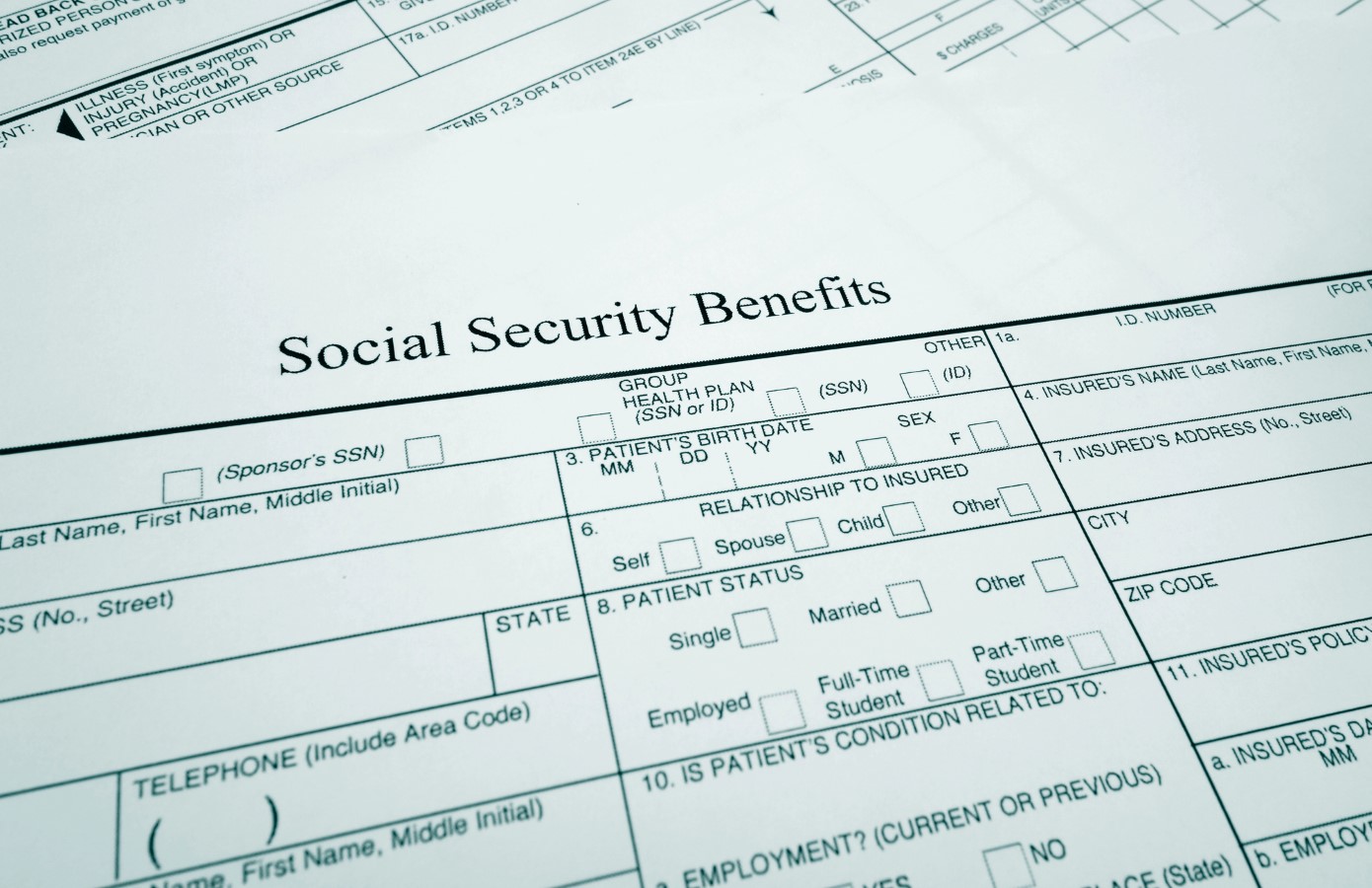
Social Security is a vital lifeline for many seniors, providing crucial income support during retirement. With inflation at its highest in four decades, Social Security’s inflation-adjusted benefits offer protection against rising costs.
Rising interest rates have disrupted many retirement portfolios, causing bond fund values to plummet. In this volatile financial landscape, Social Security can stabilize a typical stock-bond retirement portfolio. By implementing smart strategies, retirees can maximize their Social Security benefits and ensure a more secure financial future.
14 Essential Strategies to Maximize Your Social Security and Avoid Costly Mistakes
11 Reasons You Should Claim Social Security Early

Deciding when to claim Social Security is often about maximizing your benefit. Financial planners usually advise delaying your claim for as long as possible to secure the highest monthly payment. Your benefit is based on your lifetime earnings, with a full payout available at your full retirement age (FRA), which is currently between 66 and 67 depending on your birth year. Claiming before FRA results in a permanent reduction in your monthly benefit, while waiting beyond FRA leads to a permanent increase. However, the decision isn’t solely about maximizing the monthly check. Personal factors such as health, family circumstances, and financial needs can play a significant role in determining the right time to claim.
11 Reasons You Should Claim Social Security Early
Did you find this article helpful? We’d love to hear your thoughts! Leave a comment with the box on the left-hand side of the screen and share your thoughts.
Also, do you want to stay up-to-date on our latest content?
1. Follow us by clicking the [+ Follow] button above,
2. Give the article a Thumbs Up on the top-left side of the screen.
3. And lastly, if you think this information would benefit your friends and family, don’t hesitate to share it with them!

John Dealbreuin came from a third world country to the US with only $1,000 not knowing anyone; guided by an immigrant dream. In 12 years, he achieved his retirement number.
He started Financial Freedom Countdown to help everyone think differently about their financial challenges and live their best lives. John resides in the San Francisco Bay Area enjoying nature trails and weight training.
Here are his recommended tools
Personal Capital: This is a free tool John uses to track his net worth on a regular basis and as a retirement planner. It also alerts him wrt hidden fees and has a budget tracker included.
Platforms like Yieldstreet provide investment options in art, legal, real estate, structured notes, venture capital, etc. They also have fixed-income portfolios spread across multiple asset classes with a single investment with low minimums of $10,000.