


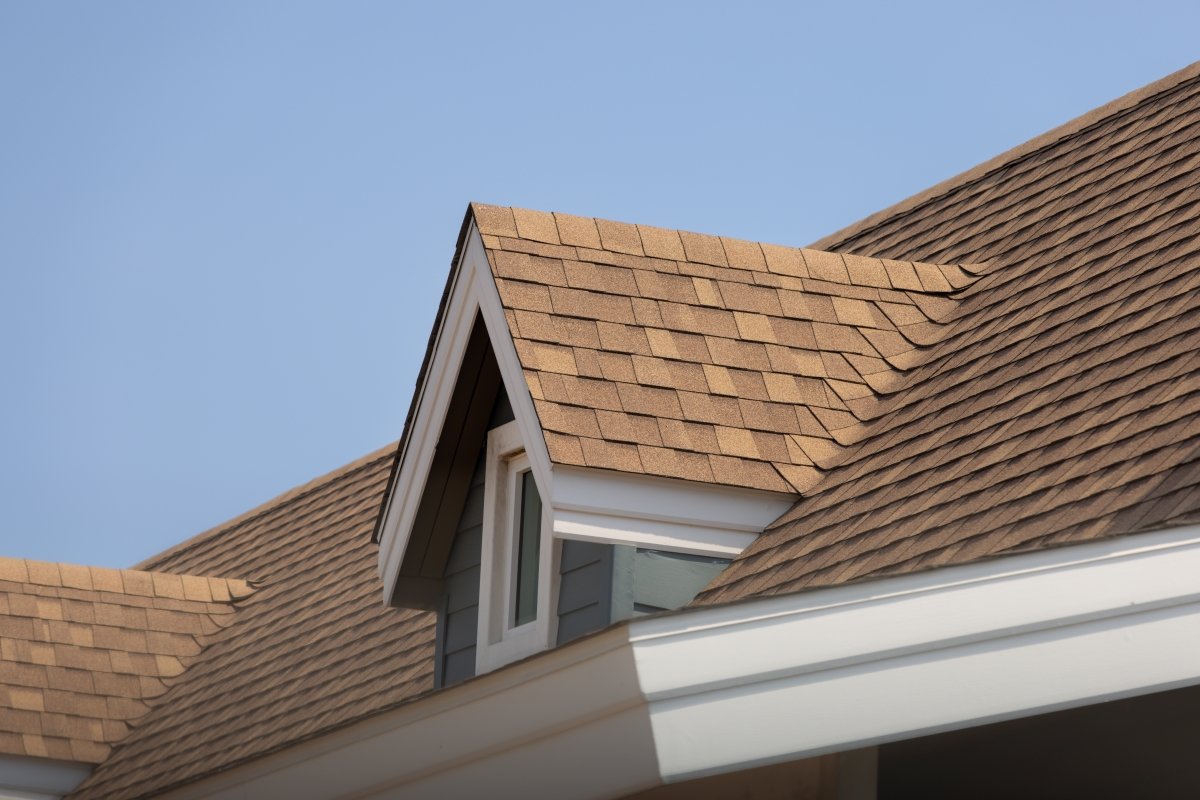
While all roof shingles are made to protect a home from rain, snow, and other environmental stresses, each type of shingle’s designs and materials affect its performance. Since there are many types of roof shingles, it can be a real challenge to confidently select the right one for your home. This guide explains the characteristics of different types of roof shingles that include common modern options, historic types, and up-and-comers. so it’s easier to choose the best option that will keep your family safe while protecting the financial investment in your property.
1. Asphalt
Asphalt shingles—made of asphalt reinforced by fiberglass or organic materials like wood or cellulose—are sold in multiple sizes and colors. Types of asphalt shingles include a thicker, multilayered dimensional or architectural variety (pictured above) single-layered 3-tab variety that is flatter and thinner. These types of shingles are the least expensive and most widely available, and last 15 to 30 years or more. However, they can take 300 or more years to fully decompose, so they aren’t the most sustainable option.
Asphalt shingles are also waterproof, fireproof (fiberglass more so than organic), flexible enough to withstand the weight of snow, and resilient in small to moderate hail storms in the case of those with a Class 3 or higher impact-resistance rating (Class 4 being the highest).
However, asphalt shingles can buckle and come loose when exposed to high winds and sudden temperature fluctuations. Fortunately, when small repairs are necessary, the light weight of these shingles makes them easier for homeowners to lift up and replace individually, or simply re-adhere blown-off shingles by adding roof cement above and below them. Asphalt shingles cost about $1 per square foot and $100 per square (a roofing measurement equivalent to 100 square feet of material)—not including any additional insulation, underlayment, or labor—
Best For: Budget-friendly traditional homes and non-severe weather locations
Our Recommendation: Owens Corning Oakridge Onyx Black Asphalt Shingles at Lowe’s for $42.48 per bundle
The architectural roof shingles from Owens Corning are offered in a range of earth-tone hues and are resistant to 110 mile per hour (mph) winds with a 4-nail application.
2. Wood
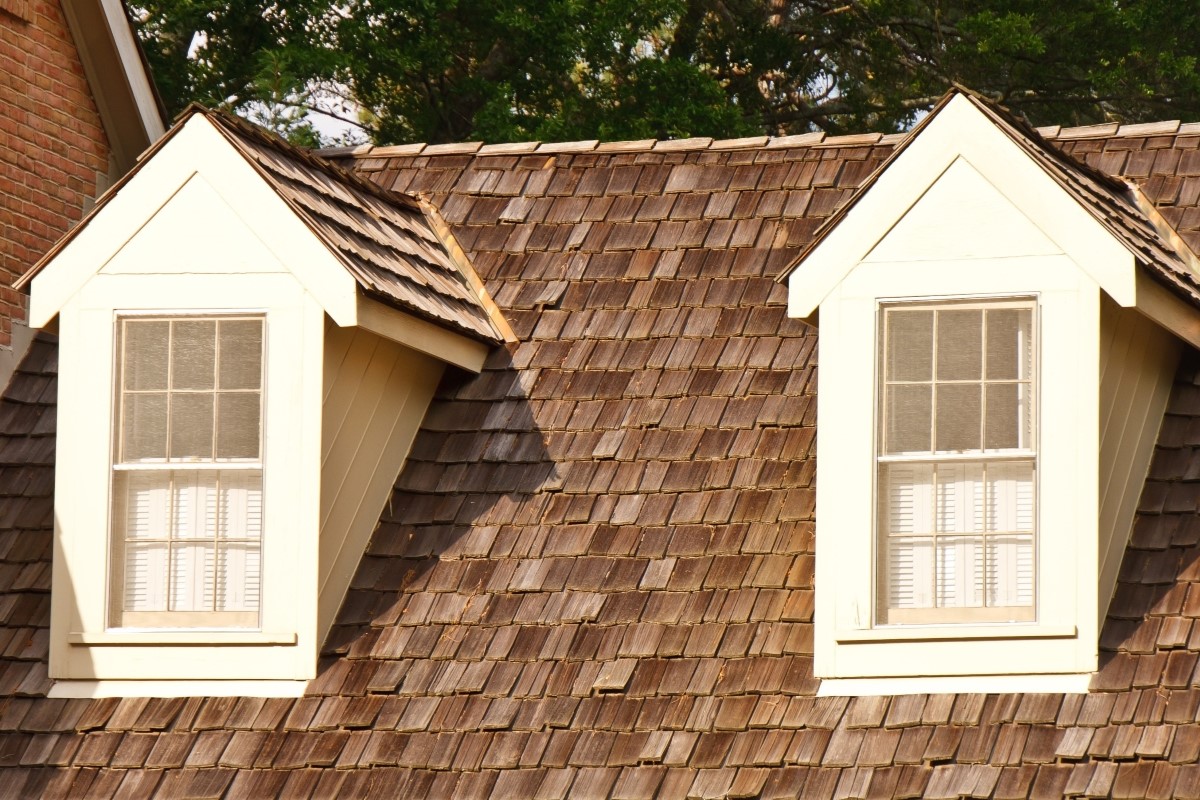
Wood shingles are machine-cut from cedar, spruce, or pine to offer a trim yet natural-looking and environmentally-friendly option that lasts 20 to 25 years. Following installation, it’s easy to power-wash mildew- or mold-ridden shingles, but damaged individual shingles often need to be replaced rather than repaired, and the plywood decking required below the shingles makes them more difficult to replace on your own than asphalt shingles.
But unless you choose wood shingles with a Class A fire rating, these shingles aren’t fit for extremely hot and dry or wet climates, as they’re vulnerable to fire, rot, hail, and termites, any of which can cause them to chip, crack, or split. Installing them in the Great Plains is your best bet so long as the fire code in your region doesn’t forbid their installation.
Plus, this type of shingle comes at an economical price point: Wood shingles cost more than asphalt and less than clay/concrete or composite tiles, at $6 to $13 per square foot according to HomeAdvisor.com.
Best For: Rustic homes and outdoor structures—hot regions not included
Our Recommendation: Turada Hardwood Shingles at CapitalForest.com; prices vary by wood type
For long-lasting dependable coverage, Turada’s hardwood shingles have withstood Category 5 hurricane winds and are resistant to decay and insects.
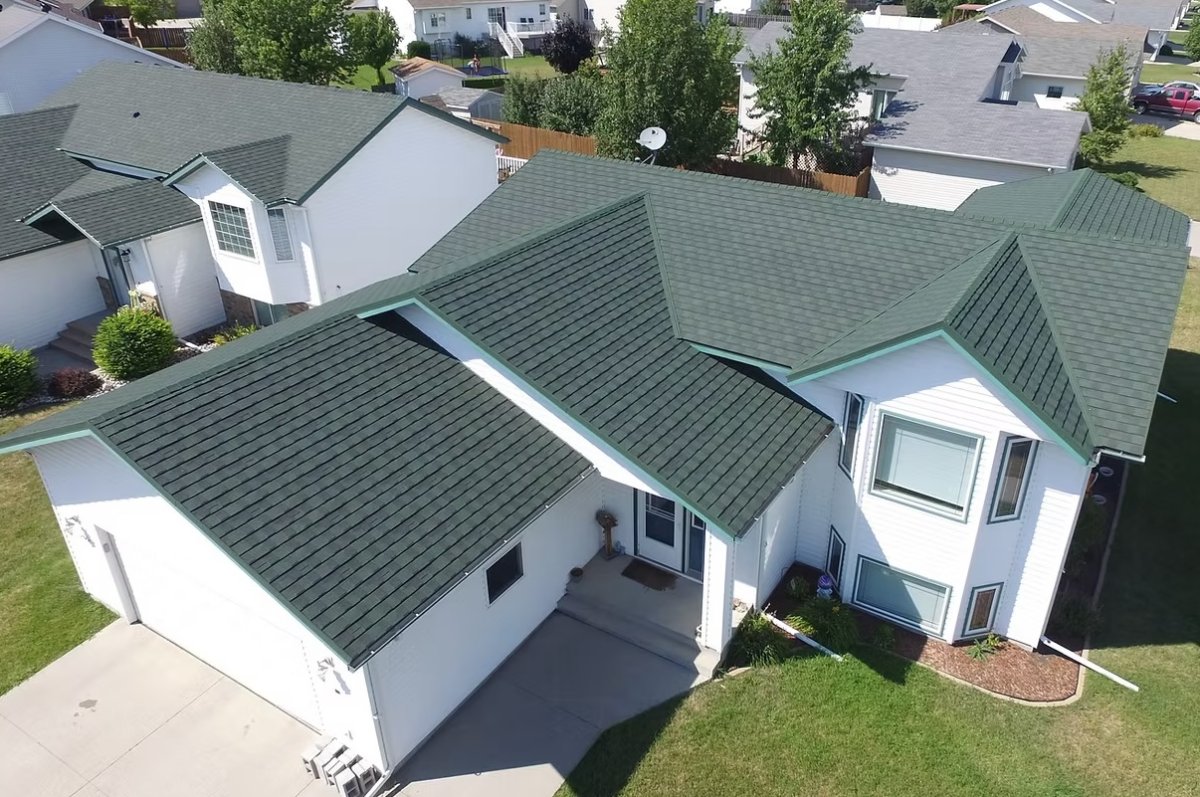
Metal shingles—consisting of aluminum, steel, copper, or an alloy stamped into a variety of shapes—are among the most energy-efficient of all shingle types because they can reflect sunlight rather than absorb it, thereby lower cooling costs. These shingles also are recyclable and have a lifespan of over 50 years, so they are a more sustainable pick than asphalt.
According to the Metal Roofing Alliance, “Metal roofs not only help protect against high winds, heavy snow, hail, and fire (with Class A fire ratings and Class 4 hail protection ratings per UL 2218), but they also last significantly longer than asphalt or wood.” Because of their weather resistance, metal shingles are a smart choice for homes in the rain-battered Northwest or Southeast. It’s worth noting, though, that some of this precipitation can have other consequences for metal roofs: Hail can dent steel shingles, while rain sounds louder on a metal roof than the average roof (unless you’ve installed additional layers of solid sheathing or insulation beneath these shingles for an additional cost). Overall, metal shingles cost more than either asphalt or wood shingles, on the order of $6 to $22 per square foot ($600 to $2,200 per square).
Best For: Homes in the Northwest and Southeast
Our Recommendation: GAF’s TimberSteel through a GAF Metal Certified Contractor
GAF created a nail gun-friendly metal shingle that’s available in a variety of colors, including blue, green, red, and bronze. With expansion in the works, TimberSteel is currently available in 11 states.
4. Slate
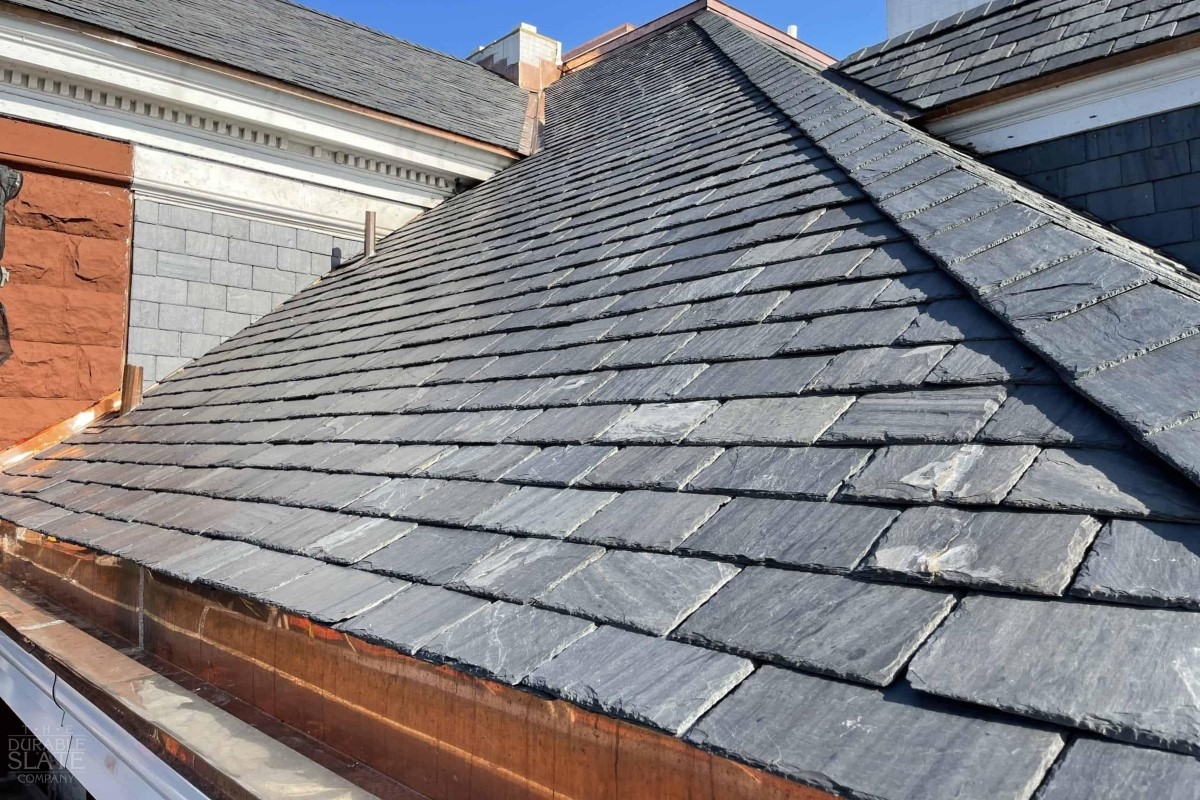
Slate shingles’ sleek yet rugged composition contributes to their elegant but natural look and their durability. While the heat-, hail-, and moisture-resistant, noncombustible shingles with a low propensity for leaks last anywhere from 50 to 100 years in all climates, their capacity to withstand large volumes of snow makes them the best choice for homes in the Midwest. Also called slate tiles, they are a more sustainable pick than other materials like clay and concrete that are extracted from the earth.
Certain roof structures simply can’t withstand the weight of slate shingles. Consult with a structural engineer before installation. Afterward, leave repairing or replacing individual shingles to the pros to avoid injuring yourself under their weight.
Natural or domestic slate starts at $15 per square foot and can run up to $25 or $30 per square foot—not including additional expenses incurred due to their heavy weight, the need for additional framing during installation, and the relative scarcity of companies that install them. So, homeowners should expect to pay more for professional slate installation than for many other roof shingle types.
Best For: Historical homes and luxury custom homes
Our Recommendation: Slate shingles are available locally and can be sourced from ABC Supply Co. Inc.
Since slate is usually a pro-installation job, slate shingles are found at local specialty dealers. ABC Supply offers a location finder to help you identify slate tiles available in your area.
5. Clay
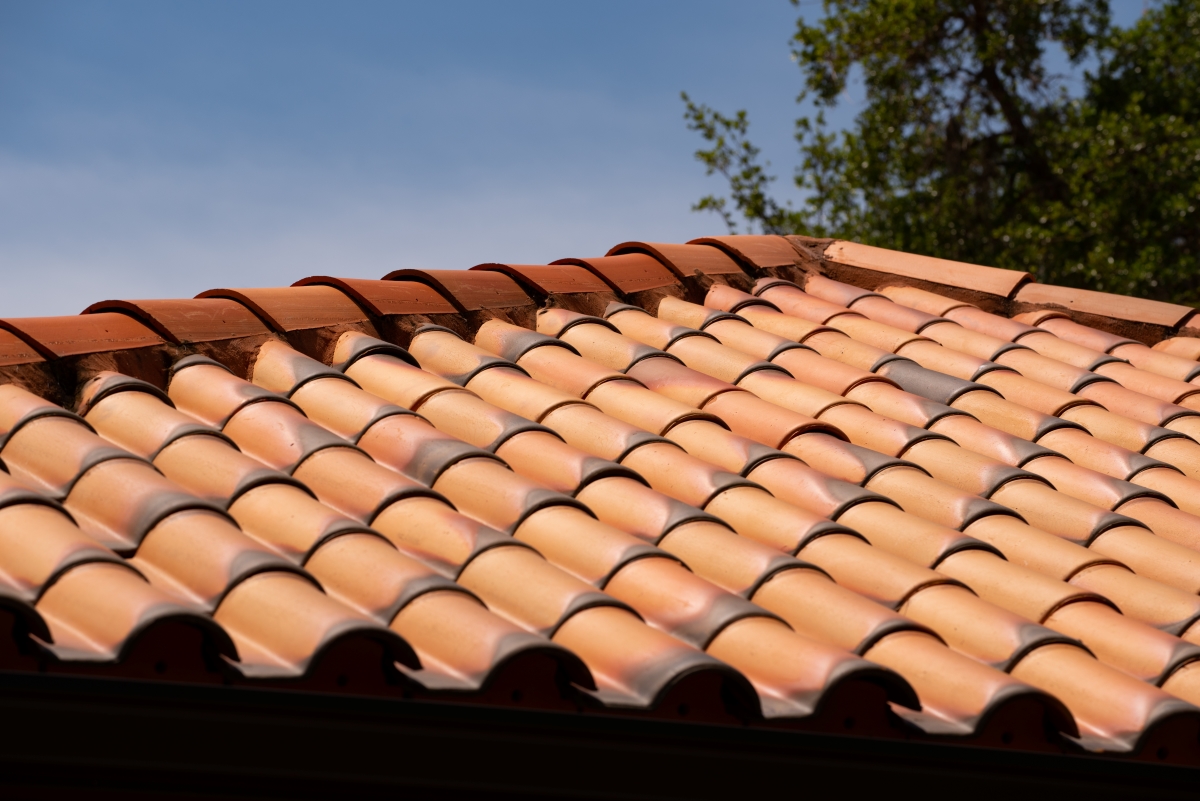
Clay shingles—molded out into flat, barrel-shaped (pictured above), or scalloped tiles of different colors—are popular in Spanish-style homes in the Southwest. Clay is also noncombustible, doesn’t fade, is free of pollutants, and is sustainable as it consists of just water and clay.
Roofs made with this type of shingle warrant consulting a structural engineer to make sure your home can support the installation. Typically, a roof will still need extra framing (underlying supports) during installation to support their weight.
When all is said and done, though, you can expect a cost of anywhere from $12 to $25 per square foot ($1,200 to $2,500 per square) for clay shingles; the investment lasts anywhere from 40 to 50 years or better. You can repair these tiles on your own with roofing cement, but individually replacing them on your own is difficult due to the weight and limited impact resistance of individual tiles.
Best For: Homes in warm dry climates like the Southwest
Our Recommendation: Clay tiles are available at a local builder supply and can be sourced from ABC Supply Co. Inc.
ABC Supply offers a location finder that will help you find the closest clay tile brands and dealers near you.
6. Concrete
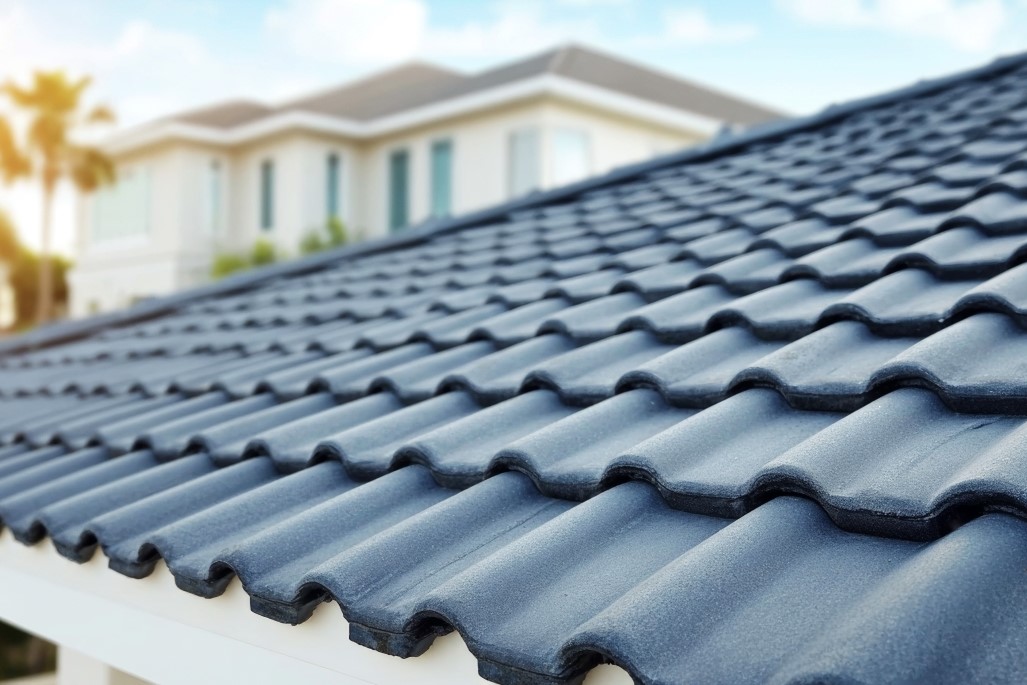
With a history extending more than 150 years and sustainable ingredients from the earth, concrete tiles are sustainable and long-lasting roofing material. They are used in similar situations as clay, but they reflect sunlight better than clay tile roofing and effectively insulate interiors better from heat and cold. However, unless choosing a lightweight version, concrete tiles weigh more than clay, so a concrete shingle roof can be more work to install.
Concrete shingles are easy to color and texture, which offers a wide choice of shingle colors and styles that can mimic other roofing materials. Even though they are mostly known for roofing homes in the Southwest, they can work well in northern climates. And when locally sourced, concrete is a sustainable choice. Concrete shingles are less expensive than clay as well, at about $9 per square foot.
Best For: Dry and warm climates where cost is a factor
Our Recommendation: Eagle Roofing offers a searchable map so you can view the concrete tiles available in your region.
Eagle Roofing provides an easy way to find out the types of concrete tiles offered near you with a variety of profiles included in the search results.
7. Composite
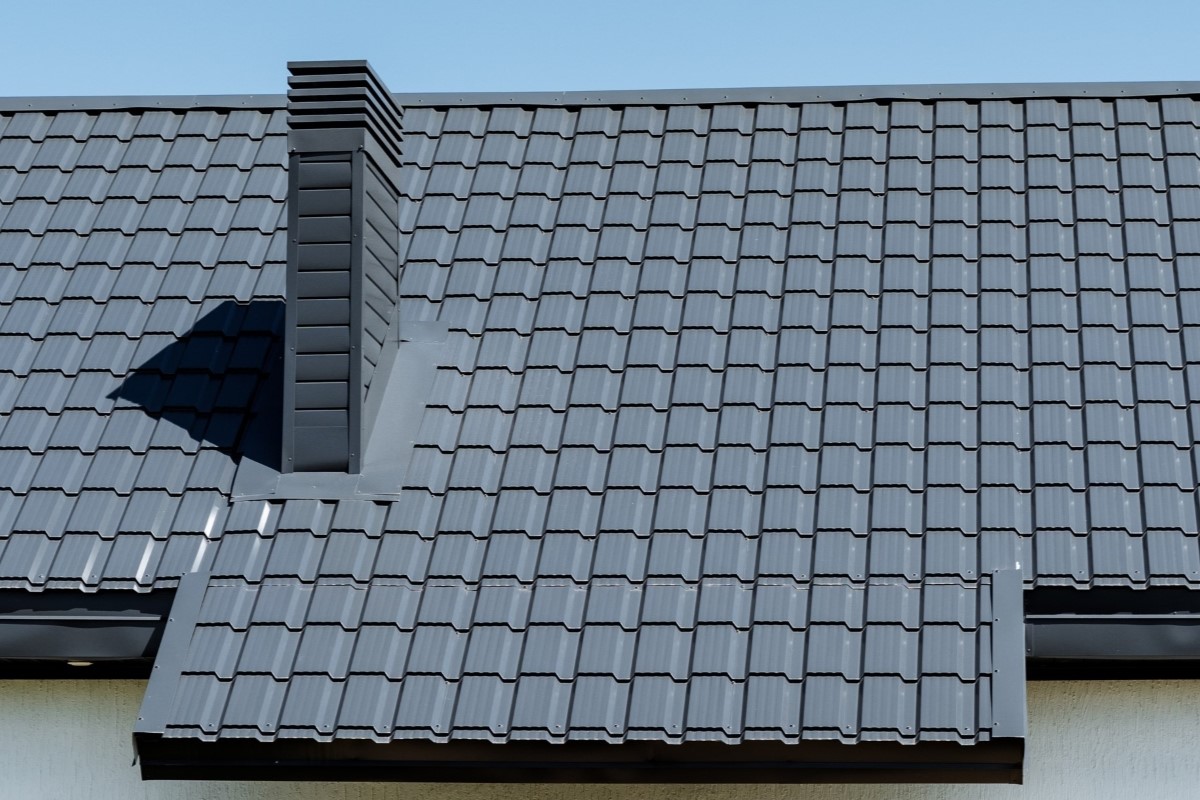
Composite shingles—made of polymer, rubber, or plastic and sold in a variety of colors and styles—convincingly mimic the look and feel of shingles made of natural materials such as wood or slate. These shingles retain their color over their lifespan of 50-plus years, and are heat- and impact-resistant to varying degrees (those with a Class-A fire rating and Class-4 impact-resistance rating offer the best resistance to fire and hail). The ingredients determine the level of sustainability, and additives in some composite shingles lend them additional defenses such as moss and UV resistance.
However, composites usually offer less insulation than the materials they mimic (upping your heating or cooling costs). And, while they’re suitable for installation in all climates, low-quality composite shingles—which can be prone to absorbing water—may soak, freeze, and warp more quickly in locations that frequently experience rain or regular cycles of freezing and thawing.
A relative scarcity of roofers experienced with this fairly new type of shingle can make it trickier to achieve a quality installation. It’s also important to realize that the shingles are challenging to find, and shoppers will have to consult roofing suppliers to find composite shingles, which start at $7 to $14 per square foot, including installation.
Best For: Low-maintenance slate roofs without the expense or wood-look roofs with improved fire ratings
Our Recommendation: DaVinci Roofscapes composite slate roofing at Best Materials for $47.99 per bundle of 10
Available in a range of colors that include black, gray, and brown, the 12-inch-wide slate from DaVinci Roofscapes mimics the look of slate. The formula is designed for UV stability, 180 mph wind resistance, and color consistency.
8. 3-Tab
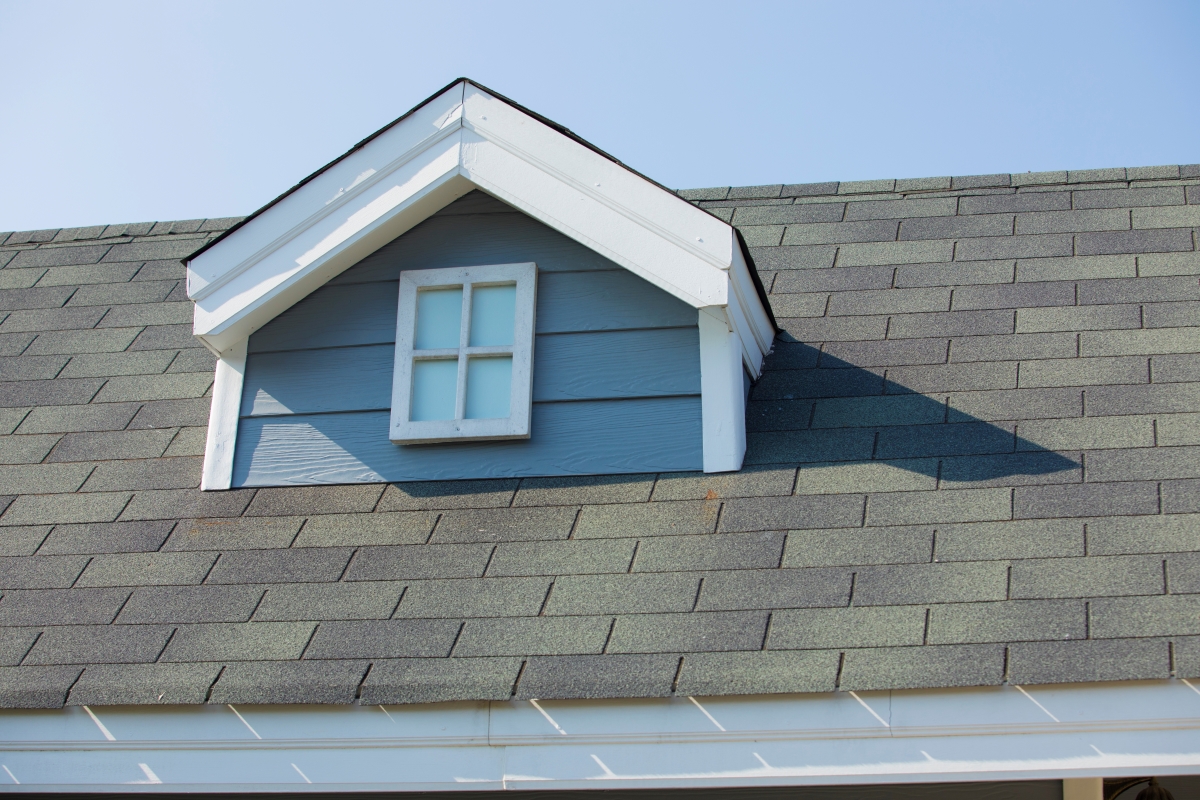
Three-tab shingles are among the most typical shingle designs. They are made from asphalt, and each shingle has two slits in the exposure, creating the look of three individual tabs. Once installed, the courses on top typically land just below the top of the slit, giving the roof the appearance that it consists of individual shingles.
Three-tab shingles are some of the least expensive shingles on the market. They’re usually single-layered (unlike architectural shingles), so they are lighter and easier to work with. However, they also tend to have lower wind-resistances, shorter service lives, and briefer warranty periods, which leads to more roofing in landfills for hundreds of years. But, since they are affordable and can work on most types of homes, they’re still a very popular option. The average cost of 3-tab shingles is about $4.65 per square foot and $465 per square.
Best For: Budget-friendly installations in low-wind areas
Our Recommendation: Timberline GAF Sovereign Weathered Gray Algae-Resistant 3-Tab Shingles on The Home Depot for $40.47 per 26-piece bundle
GAF’s Royal Sovereign 3-tab asphalt shingles are available in charcoal and weathered grey and have passed ASTM’s 110 mph and 150 mph wind tests. They also feature algae protection.
9. Architectural
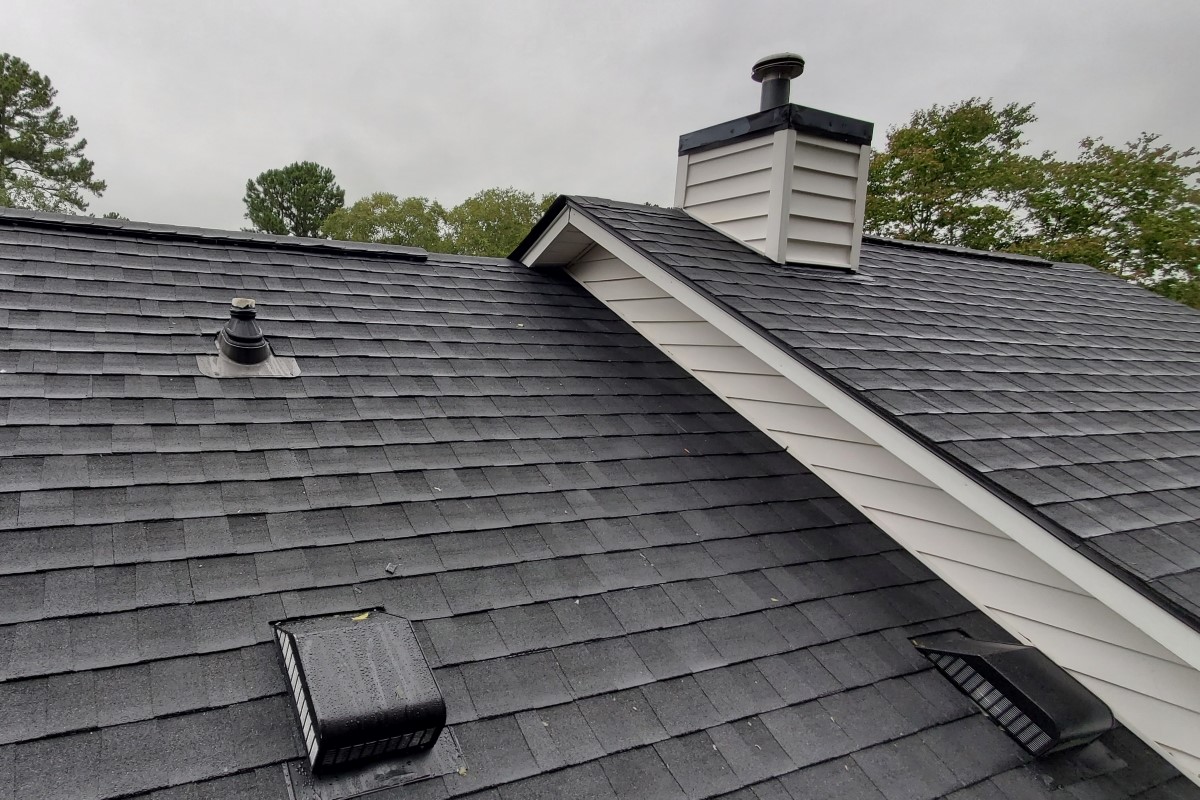
Architectural shingles are a type of asphalt shingle made with layers of material. They’re called architectural shingles because their shingle layers give the roof a texture or dimension that lower-end three-tab shingles do not. They’re commonly found on a wide range of homes, and there are varying degrees of quality.
Architectural shingles are made from layers of fiberglass mat laminated together to create depth. They’re then coated with asphalt. They’re heavier and more expensive than 3-tab shingles but due to their thickness and ensign, they’re stronger and last longer so they are a more sustainable option than 3-tab. They can also resist wind and other environmental impacts better than 3-tab shingles, allowing manufacturers to offer longer warranty periods (up to 50 years, in some cases). Architectural shingles typically cost about $2.50 to $10 per square foot)
Best For: Most home styles and regions, on both newer and older homes
Our Recommendation: GAF Timberline HDZ at The Home Depot for $44.47 per 33 square-foot bundle
With a lifetime warranty, a wind-resistance of 150 mph, and 25-year algae resistance, Timberline’s HDZ shingles are an excellent choice.
10. Aluminum
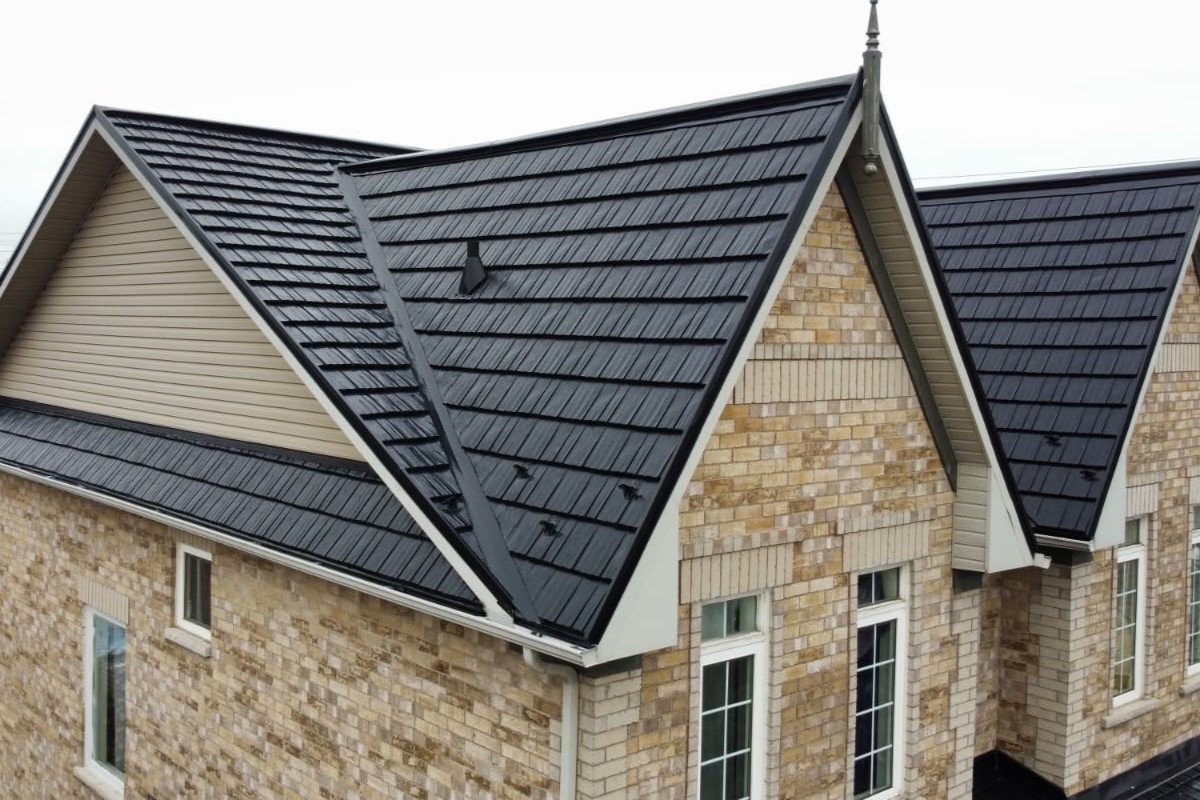
Aluminum shingles can be a great option for folks who want a low-maintenance roof. These roofing systems are generally one of the more expensive options, but due to aluminum’s rust- and rot-resistance, they can last for years in damp or wet environments. They come in a wide range of styles so they can fit almost any home style, but they typically mimic overlapping architectural or wood-look shingles.
There are a lot of benefits to choosing aluminum shingles. These roofing shingles are fire-resistant, durable, and have 50-year warranties. They’re also lightweight so most roof framing can hold them. And, environmentally-conscious homeowners will like that aluminum shingles are recyclable. Like many roofing materials, aluminum shingles are a specialty item and will require shopping through a specialty roofing supplier. Their benefits come at a cost, as aluminum roofing shingles can run from $4 to $11 per square foot and $400 to $1,100 per square.
Best For: Regions that experience a lot of precipitation
Our Recommendation: Find aluminum shingles through local contractors with this search from PermaLock
PermaLock has been making aluminum shingles since 1948. Offered in a variety of colors and in embossed and smooth, their products are available through local contractors.
11. Rubber
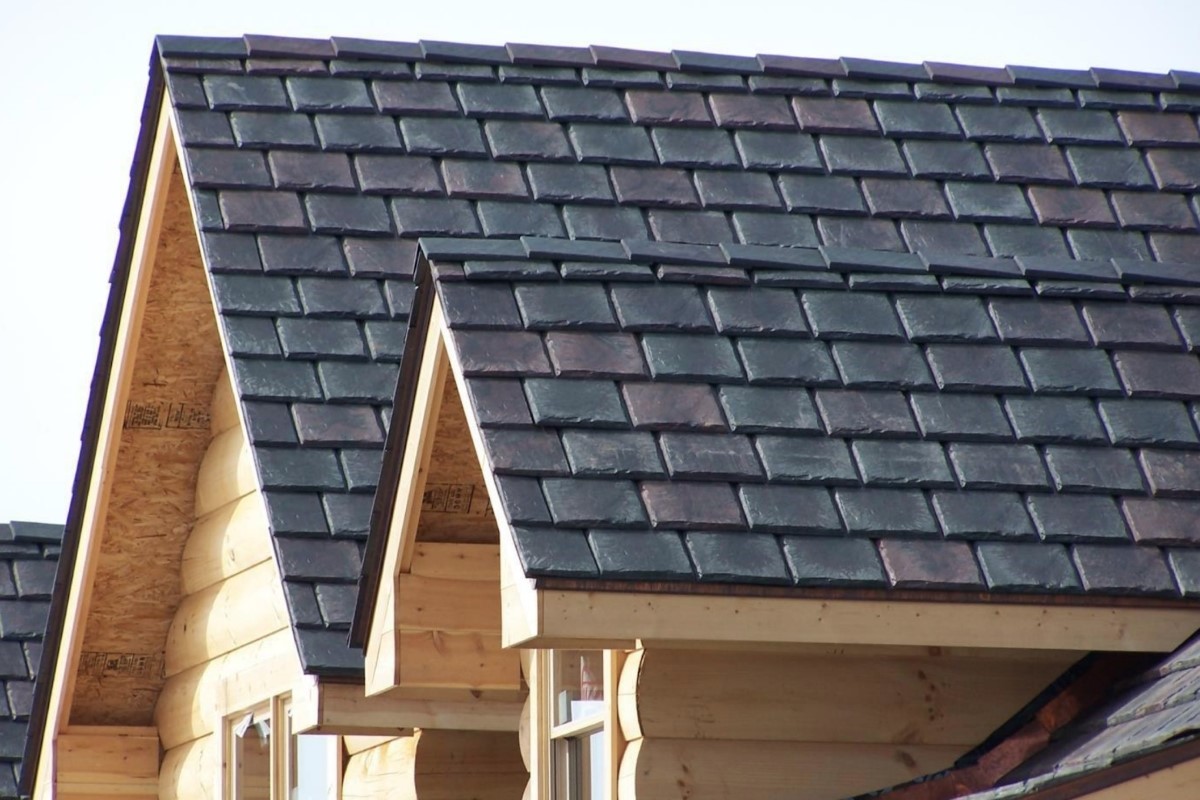
Rubber shingles are some of the most interesting roofing shingles on the market. These products are typically made from recycled tires and other materials, so they are more environmentally-friendly than many other roof types. They’re also relatively thick, which allows them to easily mimic a natural roofing shingle like slate or cedar.
Rubber roofing shingles are extremely impact-resistant, and many won’t crack or fade over time. They’re capable of withstanding extremely high winds and offer an effective sound barrier. They are difficult to find (most rubber shingles are designed for siding applications), so shoppers will have to consult a roofing supplier. Rubber shingles are heavy and expensive, ranging from $4 to $13 per square foot.
Best For: Environmentally conscious homeowners, loud neighborhoods, areas that experience extreme weather
Our Recommendation: Consult a local roofing supplier
12. PVC
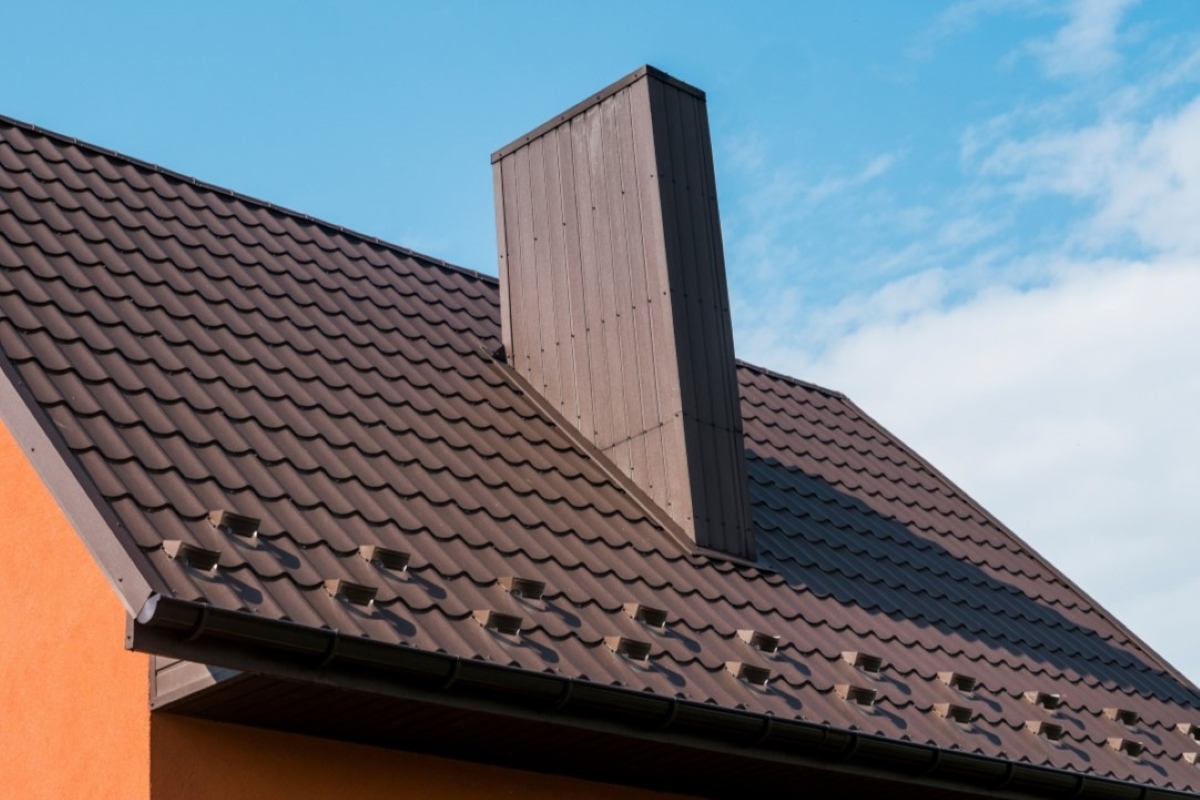
Plastic roofing is a thing, believe it or not. Composite PVC shingles are designed to look like terra-cotta, slate, and other high-end roofing materials. They’re generally made from recycled plastics, so they are an environmentally friendly option.
PVC roof shingles aren’t exceptionally durable and can become very brittle in cold weather. However, they’re lightweight, easy to transport, and many come with 50-year warranties to help back up the product in case something breaks. While PVC roofing panels are widely available for greenhouses, sheds, and other applications, PVC tiles are more difficult to find. Shoppers will have to consult a roofing supplier and recognize that these products are more expensive than standard shingles ($8.50 to $14.50 per square foot), so it’s a wise idea to shop prices.
Best For: Environmentally conscious homeowners in warmer climates
Our Recommendation: Consult a roofing supplier
13. Cedar
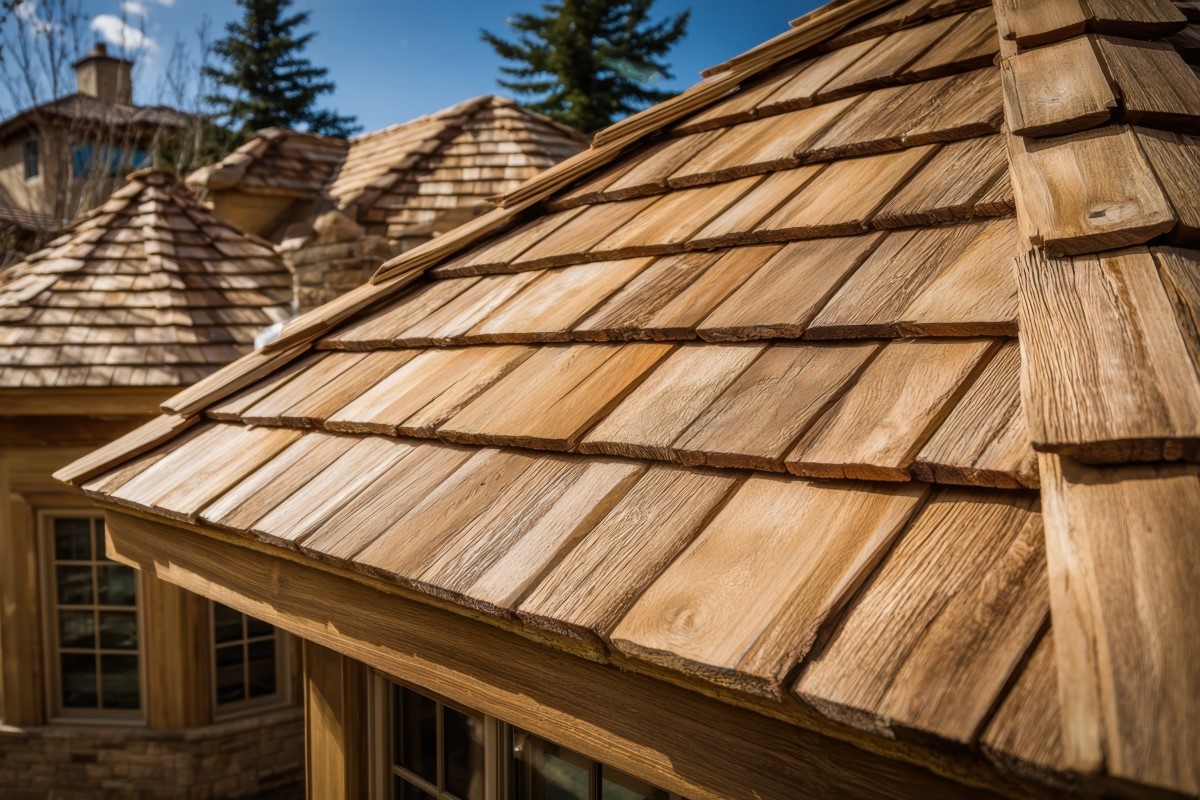
Cedar wood shingles are some of the most traditional shingles on the market, but they’re not as popular as they once were. These shingles’ most popular use is for siding, offering a rustic, beach-inspired look as they age. However, there are also cedar shingles meant for roofs.
While cedar is insect- and rot-resistant, it’s more expensive than asphalt and is not maintenance-free. Cedar shingles need sealing every 5 years or so, and they don’t last forever. For this reason, many shoppers decide to go with a composite material that mimics cedar shingles. However, for homeowners who appreciate the beach theme, a rustic look, or the gray color these shingles become as they age, cedar shingles are still a great choice.
Cedar wood shingles made for roofs are becoming increasingly difficult to find in home improvement stores. Shoppers might need to consult a roofing supplier for a shingle that’s designed for roofing applications, and they need to also check their local building codes to ensure they’re code compliant; cedar wood shingles cost about $4.88 per square foot.
Best For: Rustic small structures like sheds and doghouses
Our Recommendation: Twin Creeks Western Red Cedar Hand-Split Shakes at Twin Creeks Log Home Supply for $169.95 per bundle
These Western Red Cedar shakes are hand-split and are 24 inches long. Twin Creeks carries them in both untreated and CCA-treated versions and offers bundles of hip and ridge joints.
14. Steel
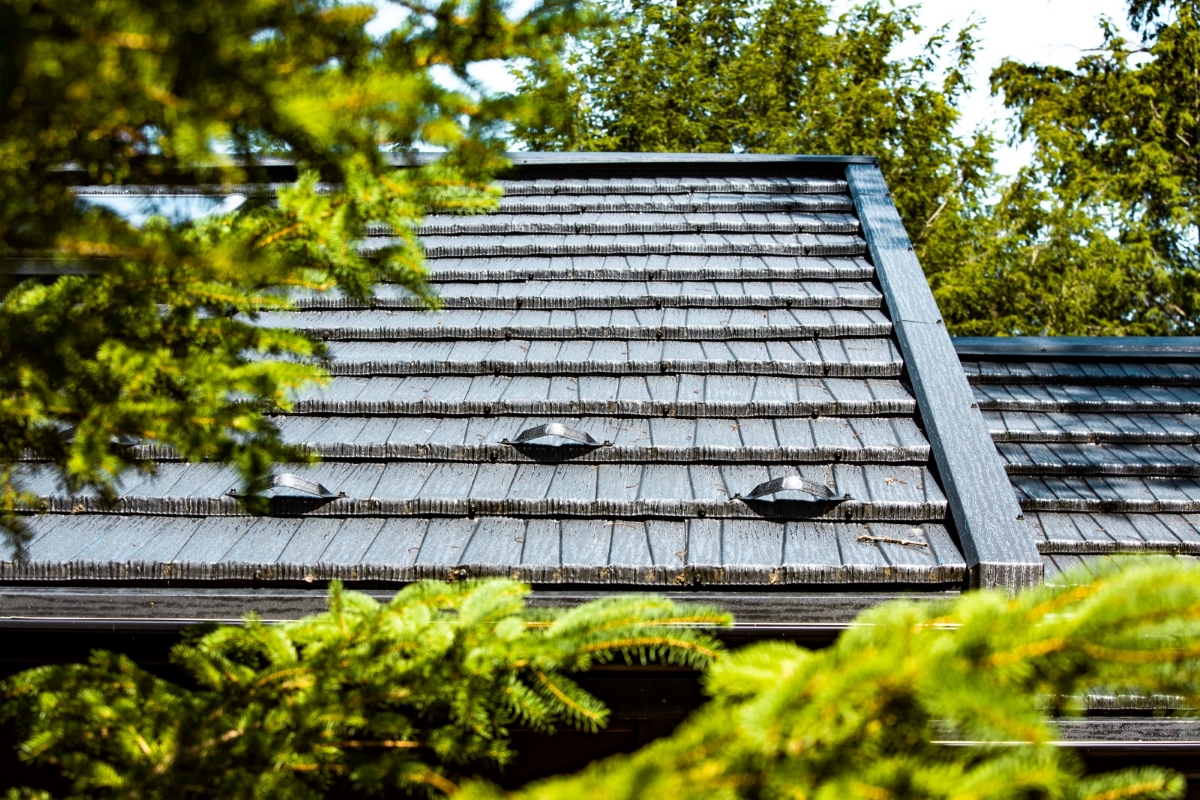
While most homeowners know about standing seam metal roofing, they might be surprised to know that there are steel shingles available. That’s probably because steel shingles look so much like standard shingles, so telling the two apart can be a challenge. However, steel shingles are worth considering due to their durability and impact-, wind-, and rot-resistance.
Steel shingles are eco-friendly metal shingles. They’re often made of a high percentage of recycled materials, and when the roof has run its course, they’re 100 percent recyclable. They come in a wide range of colors and designs, as well, and these shingles are even suitable for re-covering roofs without removing existing shingles. Unfortunately, they are fairly expensive ($16 to $23 per square foot) and difficult to find, so shoppers will, again, have to consult a roofing supplier.
Best For: Environmentally conscious homeowners, roof re-covering, high-moisture regions
Our Recommendation: Decra Metal Roofing offers the look of shakes, shingles, and tiles in steel
With multilayered steel, Decra’s steel shingles are hail- and fire-resistant and warrantied for up to 120 mph.
15. Standing Seam
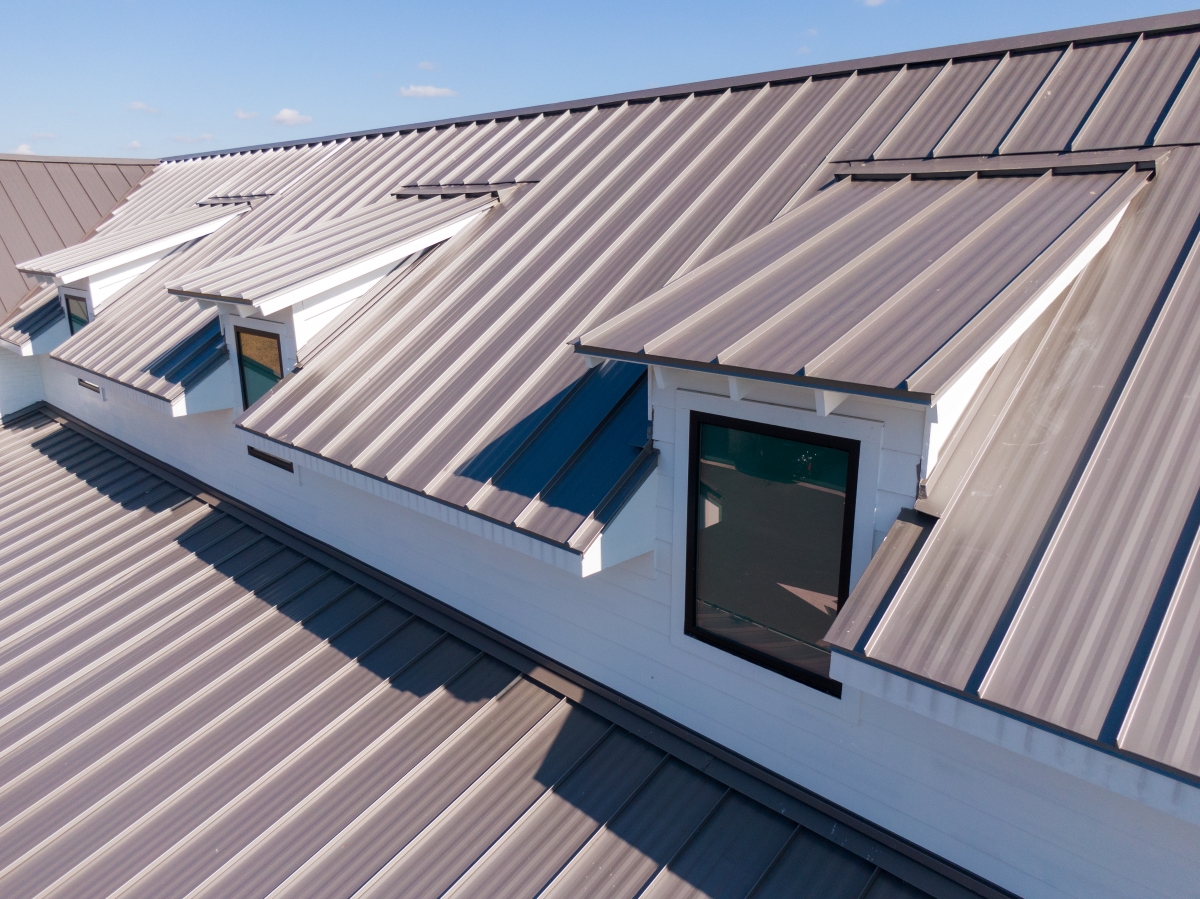
Standing seam roofing usually comes in large panels that are 12 or 16 feet long, but standing seam shingles are different. While they’re made of the same materials (steel, aluminum, copper, and other similar metals), standing seam shingles are much shorter. They usually come in pieces that are 36 inches long, and the upper course laps the lower course similarly to how a standard asphalt shingle roof does. But, the seams also overlap each other, creating a strong, durable roofing system for a wide range of environments and regions, including high-wind, high-precipitation, and other areas.
Standing seam steel shingles aren’t widely available yet, and that’s typically their biggest drawback—along with a more expensive price tag (ranging from $8 to $30 per square foot). Shoppers can try their local roofing supplier, but it might take some effort to track down these materials.
Best For: Most environments, regions, and moisture levels
Our Recommendation: ATAS International Inc.’s standing seam shingles are available at Atas.com
The interlocking system of the ATAS standing seam shingles conceals fasteners and its 4-way interlock system secures the roof covering so it’s weathertight.
16. Solar
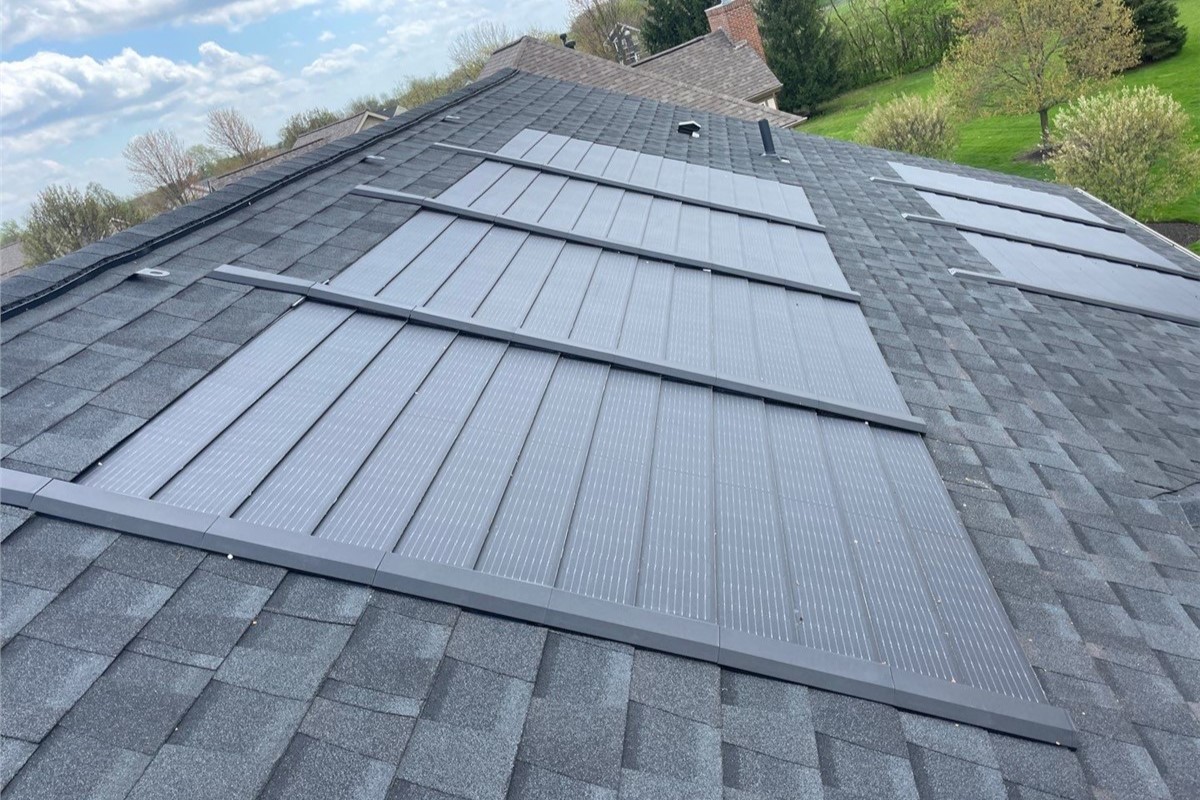
Solar shingles are some of the biggest advancements in roofing technology over the past few years. Rather than installing large, obtrusive panels, homeowners can opt for solar shingles, which mimic the look of standard shingles while also providing power to the home’s grid via sunlight.
Solar shingles are expensive, so shoppers need to know that they could potentially spend a lot of money on this project. However, with adequate sunlight, it might be an idea worth considering. Homeowners also need to understand that these are not generally DIY-friendly projects. Solar shingles require an experienced crew who knows how to install them, and cost about $21 to $25 per square foot.
Best For: Off-grid homes, environmentally conscious homeowners
Our Recommendation: GAF’s Energy Timberline Solar ES 2 is available at GAF.com
These solar shingles enable 57 watts per shingle and integrate into the installation of standard shingles.
17. Copper
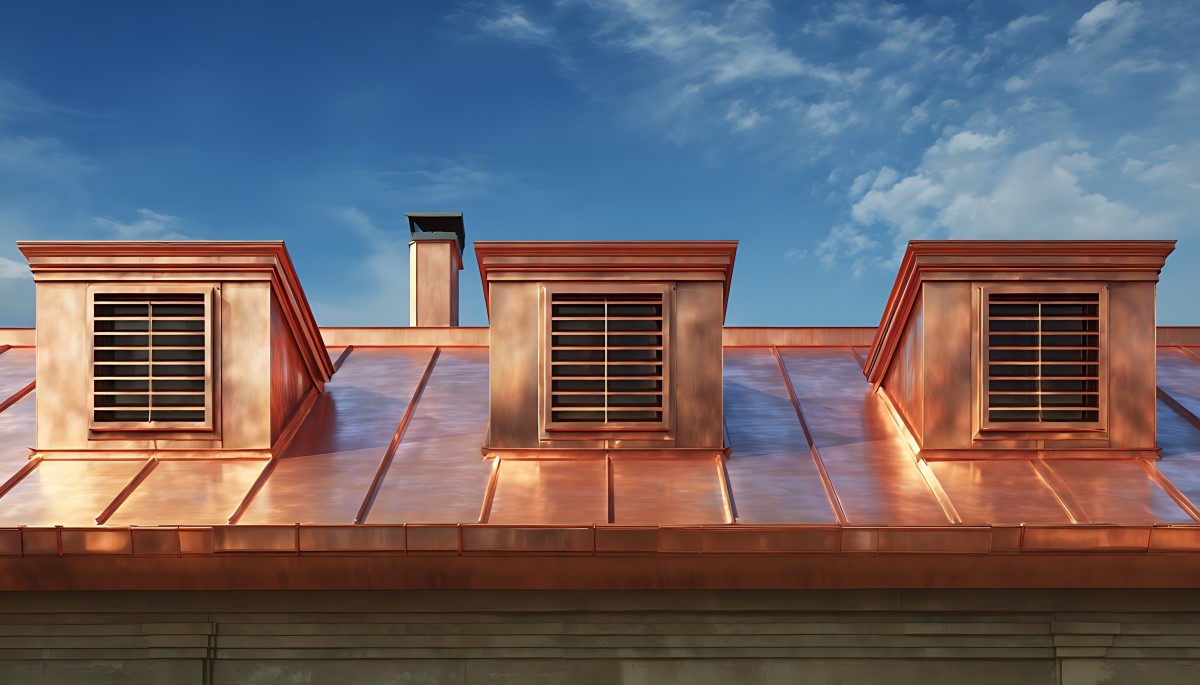
Copper shingles are really just a specific material for metal shingles listed above. These shingles are durable and weather-resistant. However, copper contains very little iron, so it will not rust over time like a standard metal material will. It may oxidize, turning green in color, but this doesn’t affect its ability to protect a home as a roofing material.
Copper shingles come in a few varieties, but most feature some type of interlocking installation system. Keep in mind that copper roofing is very expensive and not all roofing companies will be able to install it, but it can last for 100 years, according to some experts. They can be a great addition to an older, historical home. Copper also can work well on barns and other outdoor structures that benefit from metal roofs. Copper shingles cost from $29 to $41 per square foot, and are difficult to find. Shoppers will have to check with local roofing suppliers or installers.
Best For: Historical homes, barns, and other outdoor structures
Our Recommendation: Consult a roofing supplier or installer
18. Impact-Resistant
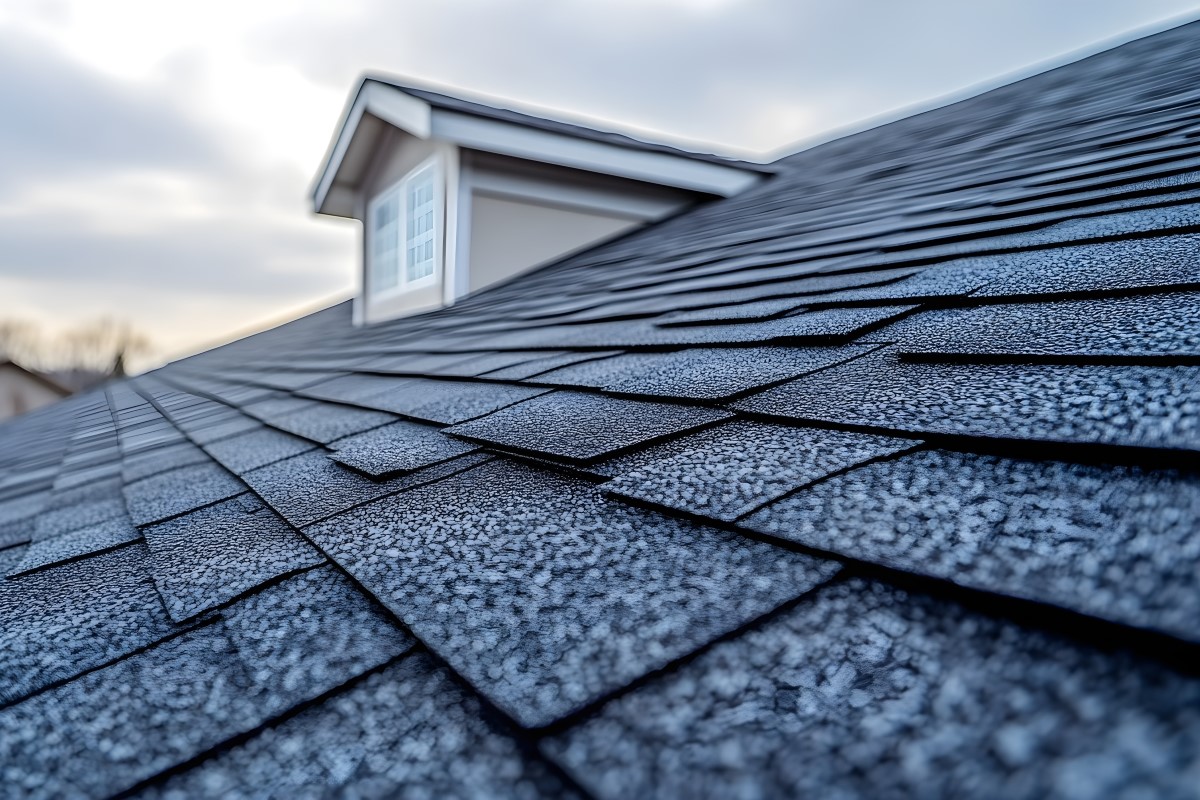
Impact-resistant shingles, also known as Class 4 shingles, are designed for incredible toughness. They are engineered to withstand hail impacts and other damage from nature without ill effects, which is something most shingles cannot offer. They generally contain a polymer mesh and rubber polymers, so impact-resistant shingles are extremely durable but affordable.
Impact-resistant shingles are usually available in a variety of styles like architectural or three-tab, and many different colors. These shingles are so stylish that it’s not possible to tell a Class 4 roofing shingle from a standard shingle from a home’s front yard. They can also come with algae resistance and high wind resistances, so they’re a great choice for almost any region of the country. Impact-resistant architectural shingles cost about $13 per square foot and $130 per square.
Best For: Most applications in any region of the country, especially where hail or other environmental impacts are common.
Our Recommendation: Owens Corning Oakridge at Lowe’s for $42.48 per bundle
Owens Corning Oakridge architectural shingles feature a Class 4 rating, a 130-mph wind resistance, and algae protection at a reasonable price point.
FAQ
Roofs that are mostly flat and modular usually work best with solar panels, so consider metal roofing or asphalt shingles. Make sure to review the installation information about the solar panels before choosing the roof covering.
The best type of shingle for a roof is based on your house style, budget, and severe weather risk level. Just be sure to weigh out the pros and cons of each shingle that we’ve detailed above.
The least expensive type of shingle among the range of types of roofing materials is typically a 3-tab asphalt shingle.
When it comes to roof shingle types, the most common type of shingle is a 3-tab asphalt shingle.
Class 4 shingles are rated for the highest degree of impact resistance when it comes to severe weather.
The most important parts of the shingle are:
Tab: The tabs are the lower sections of the shingles that are exposed to the elements, which slits between them to make them look like individual parts of the shingle when installed. Some shingles have just one tab and others can have up to three tabs.
Exposure: The exposure explains how much of the shingle will show after installation. It simply refers to the exposed area of the shingle, which can also be called the “butt.”
Nail line: The nail line is the tar-lined area of the shingle through which the installer drives the nails. Sticking to this line allows all of the fasteners to be hidden from view (and protected from the weather) once installed.
Prices listed here are accurate as of publication on June 3, 2026.

Curb Appeal Updates You’ll Appreciate Even If You Aren’t Selling Your Home
