


Looking for a tasty yet sustainable way to quench your thirst? Try these five ethical soft drinks, all available in the UK, that taste good and help do good.
I would always recommend a reusable water bottle filled with tap water for instant refreshment on the go. However, with summer on its way, sometimes you just can’t beat an ice cold soft drink on a hot day to help cool you down.
Yet not all soft drinks are equal. With issues in the soft drinks industry – from sugar production, plastic packaging, and workers’ rights – your favourite beverage could be doing more harm than good.
Thankfully, you can stay hydrated with ethical drinks that both taste good and do good. Whether you prioritise organic or Fairtrade ingredients, prefer brands that support good causes, or use ingredients that would otherwise go to waste, there are heaps of sustainable choices out there.
In this guide, you’ll find five ethical soft drinks brands available in the UK, along with a closer look at the environmental and social issues behind the industry:
The Best Ethical Soft Drinks Brands In The UK
Looking for both fizz and fairness? Here are five of the best ethical soft drinks brands in the UK, chosen for their commitment to sustainability, fair trade, and responsible packaging:
Lemonaid
Available in a range of four fruity flavours, this twist on a traditional drink is made with good intentions. Each glass bottle of Lemonaid (from £4.30 for two, available at Ethical Superstore) contains only organic ingredients and is Fairtrade-certified.
Lemonaid pays higher prices for the raw ingredients and, in doing so, supports fair, dignified farming. Plus 5p from every sale of its ethical soft drinks goes towards its foundation to fund social, economic and environmental projects in growing communities. Since January 2010, Lemonaid has donated £7 million and counting.
What’s also to love is that Lemonaid offers equipment to upcycle your bottles to help minimise waste. These include pumps to turn the empty bottles into hand soap dispensers, and oil pourers to turn them into olive oil dispensers. Clever! Find these at Ethical Superstore, too.
ChariTea

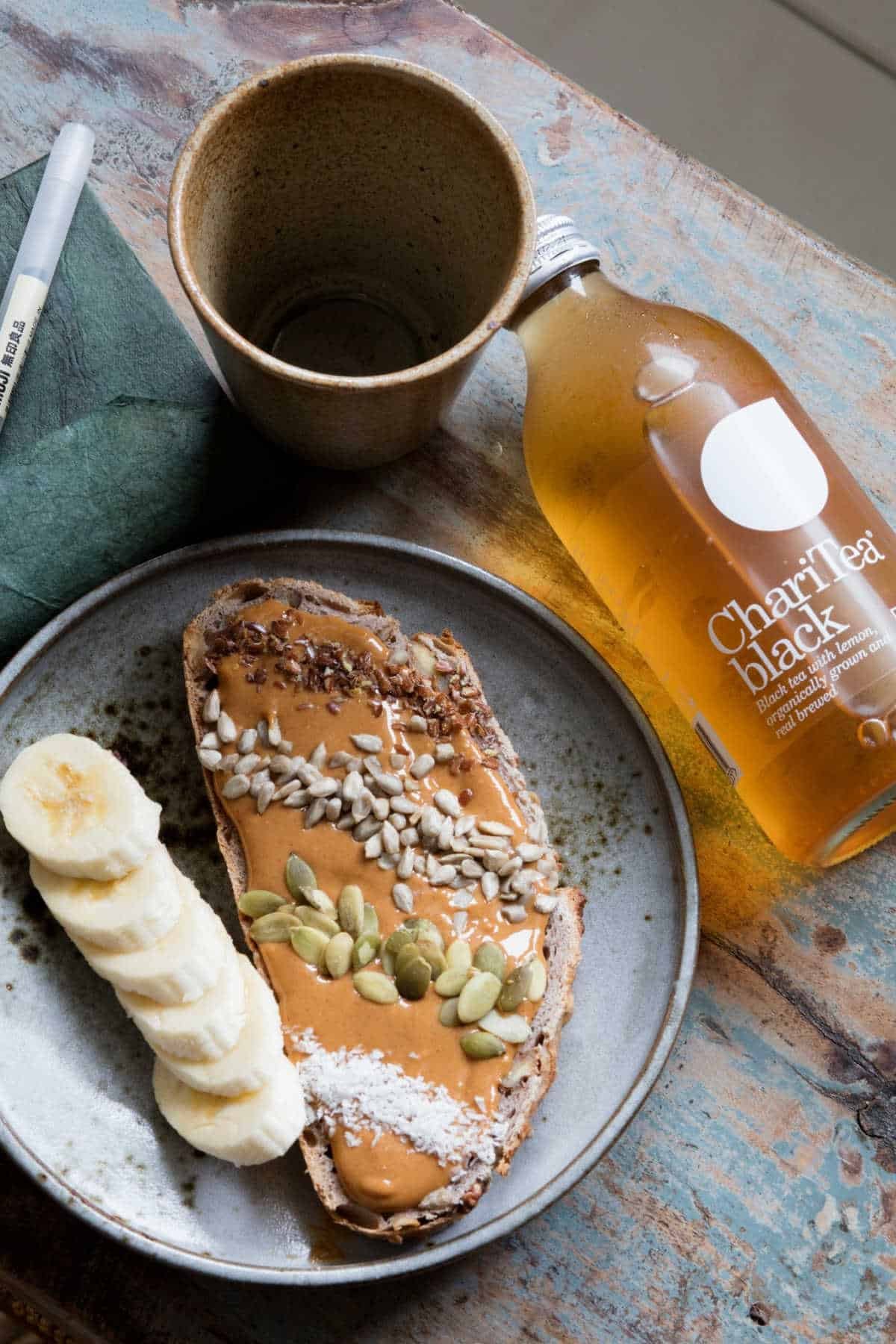
The sister brand to Lemonaid, ChariTea (£7.16 for four at Ethical Superstore) produces a range of tea-inspired and infused ethical soft drinks in a range of exciting flavours.
Like LemonAid, the products are Fairtrade and organic and are only available in glass bottles. Sales also fund the foundation to enable social, environmental and economic change in grower communities.
Like with the Lemonaid bottles, the pumps and oil dispensers also fit the ChariTea bottles.
Karma Cola

Another sustainable brand to know is Karma Drinks (from £2.98 for a pack of two at Ethical Superstore). It produces a wide range of tasty Fairtrade, organic and plastic-free beverages in glass bottles or aluminium cans.
Its soft drinks collection includes Gingerella Ginger Ale, Lemony Lemonade, Summer Orangeade and Karma Cola. These taste good, whilst providing a fair deal for the people who grow the raw ingredients. My favourite is Gingerella – its clean, crisp yet fiery taste is the perfect alcohol-free refresher!
Flawsome

Looking for soft drinks that help beat the problem of food waste? Flawsome (from £25 for 12 bottles) do just that. This sustainable brand takes wonky fruit that could be wasted and uses it to create cold-pressed and lightly sparkling juice drinks in delicious flavours, including Rhubarb & Apple, Apple & Mango, Apple & Sour Cherry and more.
The whole range is free from added sugar or sweeteners and comes in a choice of bottles made from recycled glass, cartons, or recyclable aluminium cans.
As well as helping to reduce food waste, Flawsome offers a fair price to farmers, to ensure they get paid what they deserve for the produce. Plus nearly 2% of sales, not profit, are donated to to environmental causes and charitable organisations around the world.
Whole Earth

Finally, Whole Earth (£6.60 for four at Ethical Superstore) offers a range of certified organic thirst-quenching options – from orange and lemon to apple, elderflower, and cranberry. These all come in plastic-free recyclable cans, and are vegan-friendly.
Whole Earth is considered the pioneer of organic food. Founded in the 1960s, it’s credited as helping to make organic foods what they are today.
What’s So Bad About Soft Drinks?
Although soft drinks are seemingly simple products – consisting of water, sugar or sweeteners, and fruit extracts – there is often a lot more going on in the bottle than you might realise. Here are some of the biggest ethical issues facing the soft drinks industry:
The Plastic Waste Problem
A plastic bottle may say that it’s recyclable, but there’s a huge difference between being recyclable and actually being recycled.
According to the statistics, Britain is getting better at recycling – with around 44% of our waste being recycled.
However look behind these statistics, and it’s believed that half of all UK plastic waste is incinerated. Only 12% of our plastic waste is actually recycled in UK recycling facilities. A quarter of our plastic waste is sent to landfill, and the remainder is shipped to other countries.
These grim figures don’t even account for what doesn’t make it to recycling centres. However, what we do know is that our oceans are full of plastic. Plastic bottles are a major contributor to this. So much so, that in 2021, researchers found that Coca-Cola bottles made up 16% of all plastic waste washed up on UK beaches.
As well as polluting our seas with big chunks of plastic, as they are battered about by waves, plastic bottles also slough off tiny pieces of plastics, known as microplastics. These tiny pieces of plastic have entered our food chains and water supply, causing currently unknown issues.
Currently, there are no clear policies from major soft drinks companies on how they are planning to tackle the plastic problem. Therefore it makes sense to look for ethical soft drinks that offer alternative packaging. These include endlessly recyclable glass and aluminium.
The Sticky Issue Of Sugar
Sugar is the public health enemy number one. It’s linked to an increase in type 2 diabetes and heart disease, as well as tooth decay and obesity in children. Soft drinks have been labelled as the single biggest source of added sugar in children’s diets.
To help reduce this, a ‘Sugar Tax’ was launched in April 2018, which incentivised soft drinks manufacturers to reduce the sugar content of soft drinks. And it’s working. It’s been estimated that the tax may have prevented over 5000 cases of obesity in the UK.
However, Coca-Cola was opposed to the sugar tax from the outset. This is as well as lobbying against EU regulations restricting the advertising of sugary foods to children.
Making Soft Drinks Is Water Intensive
Plastic and sugar aren’t the only issues in the industry. Water consumption is another big issue.
It takes between 170 and 310 litres of water to make your average 500ml bottle of fizzy pop. Only 5% is used in drink manufacturing. The remaining 95% is used to grow ingredients, with the largest consumer of this water being sugar.
Brands can make better choices. European sugar beet, for example, uses less water in production than sugar cane grown further afield, often in water-stressed communities. However, they often don’t as sugar cane is cheaper than sugar beet.
Even if a drink is sugar-free, that doesn’t mean that it’s a water-saving choice. Sugar is often used in the production of these additives, so they can be water-heavy to produce too.
Supply Chain Issues
Supply chain issues are also often rife amongst soft drinks manufacturers. Ethical Consumer Magazine reported that it consistently sees big brands such as Coca-Cola, PepsiCo, Nestlé SA, and supermarkets demonstrating a lack of control within their supply chains.
What this looks like includes unfair working conditions in developing countries, a lack of fair pay for farmers, a lack of robust environmental reporting, and weak targets to address sustainability issues.
More Sustainable Beverage Guides
With so many options available, let’s raise a recycled glass to these sustainable soft drinks!
Looking for more sustainable beverages? Try my ethical guides:
This post was originally written for Moral Fibres by Georgina Rawes of Ethical Consumer, and published in 2017. It was significantly re-written and updated by Wendy Graham on 27th May 2024, and further updated on 27th March 2026, to provide more up-to-date information.
Sign Up For The Moral Fibres Substack
Get all the latest articles from Moral Fibres straight to your inbox, once a month, free of charge through Substack. You can also upgrade to be a paid Substack subscriber, where you’ll receive an additional two exclusive articles a month. Sign up now:
