


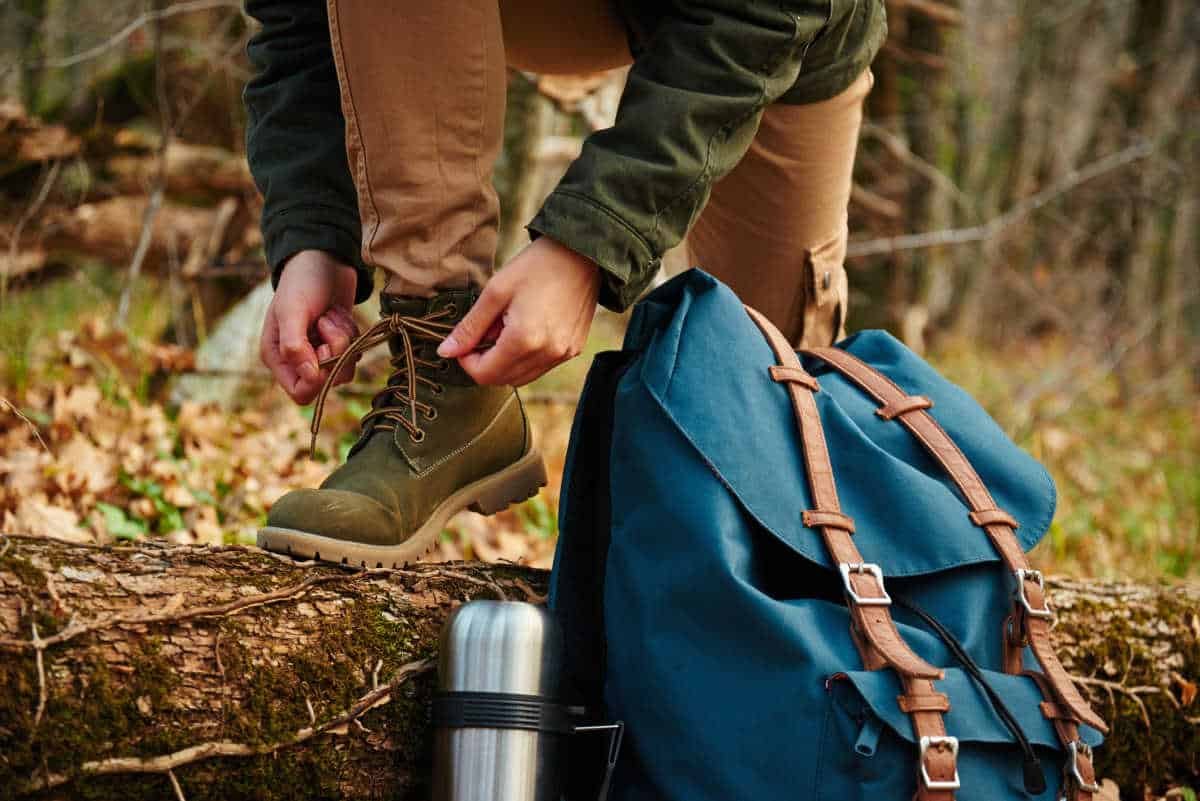
Think camping is already green? Think again. From synthetic tents to single-use everything, most of us are doing more damage than we realise. Here’s how to kit out with eco-friendly camping gear alongside tips to minimise your impact.
Whether you are planning on a camping trip close to home or you are planning on a rail trip around Europe with a tent and sleeping bag in tow, camping is a great way to get closer to nature.
Camping often has a smaller footprint than many other types of trips. But the recent rise in camping has also brought some environmental challenges, from litter to pressure on natural spaces.
With that in mind, it’s worth thinking about how we camp as well as where we camp. Choosing longer-lasting gear and adopting a few low-impact habits can help keep the places we love to visit just as beautiful for the next trip. Here are all my top tips:
Guide To Sustainable Camping Gear
The most sustainable camping gear is always the stuff you already own or can borrow from a friend, or can buy secondhand. Ask your friends if you can borrow their gear, and if not, try Gumtree, Facebook Marketplace, or eBay. You might come across some real bargains.
If you can’t find what you want secondhand, then here are some suggestions for sustainable camping gear that you may want to invest in. I’ll try not to make it too in-tents…! 🙂
The Most Sustainable Tents
No camping trip is complete without a tent, as each trip starts and ends with a good-quality tent that can protect you from the elements. That’s why finding the right tent is a must before you head off on any adventure, be it wild camping, glamping, or a campsite holiday.
If you can’t borrow a tent or find one secondhand, then here are the most sustainable tent options for your next camping trip:
Rent A Tent
Many companies allow you to hire one of their tents. Simply tell them when you are going camping, and how long your trip will be, and they will send out a tent directly to your door. They will even arrange the collection of the tent for when you get home. Other companies may allow you to pick up and drop off their tent.
Tent hire organisations to try include:
Refurbished Tents
If you’d rather buy your own tent, then try Camping Recycled. This is an initiative set up by Vango to sell tents, caravans and vehicle awnings that function as intended but can’t be sold through their retail partners. These include samples, demo kits, and refurbished products.
This helps divert stock from landfills and has the added bonus of being a bit kinder on your pocket, too. Your consumer rights aren’t affected – unless otherwise stated, Vango accepts returns within 30 days of delivery. All products also come with a 1-year warranty as standard.
Tents Made From Recycled Materials

Another option is to buy a tent made from recycled materials.
OLPRO (no, not Alpro, the vegan milk brand!) makes all of its tents from recycled polyester. It also offers a lifetime warranty on canvas tents and awnings, and offers spare parts and repair kits to make sure your tent goes the distance. Because of all this, OLPRO is the first B Corp-certified camping brand – an independent accreditation that shows its commitment to balancing people, planet, and profit.
Plastic-Free Tents
The investment eco option is a canvas bell tent. Plastic-free, 100% cotton canvas bell tents have better breathability than conventional tents, and, being stronger, have a longer lifespan. However, you have to be very careful with canvas bell tents. You should never put the tent away damp as mould and mildew can take hold and damage and rot the tent.
The Best Eco-Friendly Sleeping Bags
If you’re looking to make your camping kit a little greener, there are now several eco-friendly sleeping bags designed with sustainability in mind. I’ve focused on options made from recycled materials that are also PFC-free.
PFCs (per- and polyfluorinated chemicals) are commonly used to make outdoor gear water- and weather-resistant. The problem is that these chemicals don’t easily break down. They accumulate in the environment, and some have been linked to hormonal and reproductive problems in both humans and wildlife, as well as certain cancers.
Sea To Summit

This Sea To Summit Hamelin Sleeping Bag (£188.95 at Alpinetrek), pictured above, is perfect for camping trips from early spring to late autumn, with its -3°C comfort rating. This one is a good, sustainable choice for any camper. Here’s why:
- It’s made using 100% recycled materials.
- It does not contain any down, making it vegan-friendly and cruelty-free.
- The fabric is certified as bluesign approved. This is an independent verification that certifies that in each step in the textile supply chain, only approved chemicals, processes, materials, and products are used. This means these products are safe for the environment, workers and customers.
- It’s PFC/PFAS-free.
Nemo Tempo 35 Sleeping Bag

The Nemo Tempo 35 three-season sleeping bag (£132.95 at Alpintrek) is another good option. It has a comfort rating of 0°C, and it has lots of sustainable features:
- It’s made from 100% recycled polyester.
- It does not contain any down, making it vegan-friendly and cruelty-free.
- It’s PFC/PFAS-free.
The Ethical Rucksacks

In terms of ethical rucksacks, I really rate Passenger rucksacks. The 26L Boondooker backpack (£69.95), for example, is produced from 100% recycled polyester yarn made from post-consumer waste, on both the outer and lining fabric. This makes it a great sustainable choice when upgrading your camping gear.
If you are looking for something smaller to take on hiking trips or other everyday adventures, check out my post on ethical backpacks for more ideas.
Environmentally Friendly Camping Stoves & Cooking

A sustainable alternative to a gas-powered fossil-fuel camping stove is a wood-fired camping stove. I came across Biolite’s Camping Stove, which is powered by wood. What’s more, the heat generated by the stove also charges up your mobile phone. SO handy!
Alternatively, if you want a decidedly more budget-friendly wood-burning camping stove for your sustainable camping gear kit bag, then try this Stabilotherm wood-burning camping stove (£33.11 at Alpinetrek). It simply cooks your food without fossil fuels, which is all you could possibly need from a camping stove.
To light your stove, say goodbye to plastic fossil fuel-powered lighters or soggy matches with a fire striker, such as this one from Tiso (£14.99). This is a fool-proof and fun way of lighting a stove. Simply strike the striker off the flint for sparks to light your stove with. I bought my partner one a few years ago, and he loves it.
Sustainable Camping Tips

Even if your camping gear isn’t sustainable, it’s arguably more important that you act like a sustainable camper. Having an understanding of the Countryside Code is key. However, here are a few more environmentally friendly camping tips to consider.
Consider Where You Camp
Official campgrounds are ideal, offering toilets, cooking, washing, and waste facilities. Wild camping is often allowed, but irresponsible use has given it a bad reputation. Many remote areas lack the infrastructure for extra waste, so check whether the location can support camping before rocking up with your tent.
Food
For short trips, bring pre-prepared meals that reheat easily on a camping stove, like soup or pasta, or transfer shop-bought food into reusable containers.
Plan for disposal: if there’s no composting or recycling at your site – or no bins at all – pack all food waste and packaging home with you to avoid leaving any rubbish behind.
Cooking
Be mindful of where you cook while wild camping. Disposable barbeques can pose a real fire risk, so it’s important to take care.
A camping stove is the safest and most responsible option. If you do light a fire, keep it small, supervised, and fully under control. Avoid fires during dry periods or in sensitive places such as forests, farmland, peaty ground, or near buildings and heritage sites. Always follow local guidance and remove all traces before you leave.
If barbeques are allowed, use designated areas and keep water nearby in case you need to extinguish the fire quickly.
How To Do The Toilet Outdoors Responsibly
When wild camping, it pays to be a considerate toilet goer. The most sustainable option is to plan ahead by noting the location of public toilets or places that may allow you to use their facilities.
Even with good planning, nature sometimes calls at inconvenient moments. If you need to urinate outdoors, move at least 30 metres away from open water such as rivers, streams, or lakes. Any toilet roll should always be bagged and taken away with you, as it takes longer to break down than many people realise.
If you need to poo, the best approach is to bag it and carry it with you until you can dispose of it in a bin, much like dog waste. Keeping a few dog poo bags in your kit can make this much easier.
If bags aren’t available, follow the guidance in the Scottish Outdoor Access Code: go as far away as possible from buildings, water sources, and grazing animals. Afterwards, dig a shallow hole, bury the waste, and replace the turf. Carrying a small trowel for this purpose is a sensible addition to any wild camping kit.
Toilet paper, wet wipes, and period products should never be buried. These should always be put in a bag and disposed of properly once you reach suitable facilities.
Leave No Trace
Finally, when it’s time to come home, then bring home everything at the end of your trip. Even if your tent breaks, there are no bins, or the bins are overflowing, it’s no excuse to dump rubbish. Take it all home and dispose of it in your own bin.
More Sustainable Outdoor Gear Resources
Any more sustainable camping gear recommendations or tips for being a responsible camper? Do share! You can also check out my posts on the best ethical outdoor gear and ethical coats and jackets in case of rain!
Sign Up For The Moral Fibres Substack
Get all the latest articles from Moral Fibres straight to your inbox, once a month, free of charge through Substack. You can also upgrade to be a paid Substack subscriber, where you’ll receive an additional two exclusive articles a month. Sign up now:
