


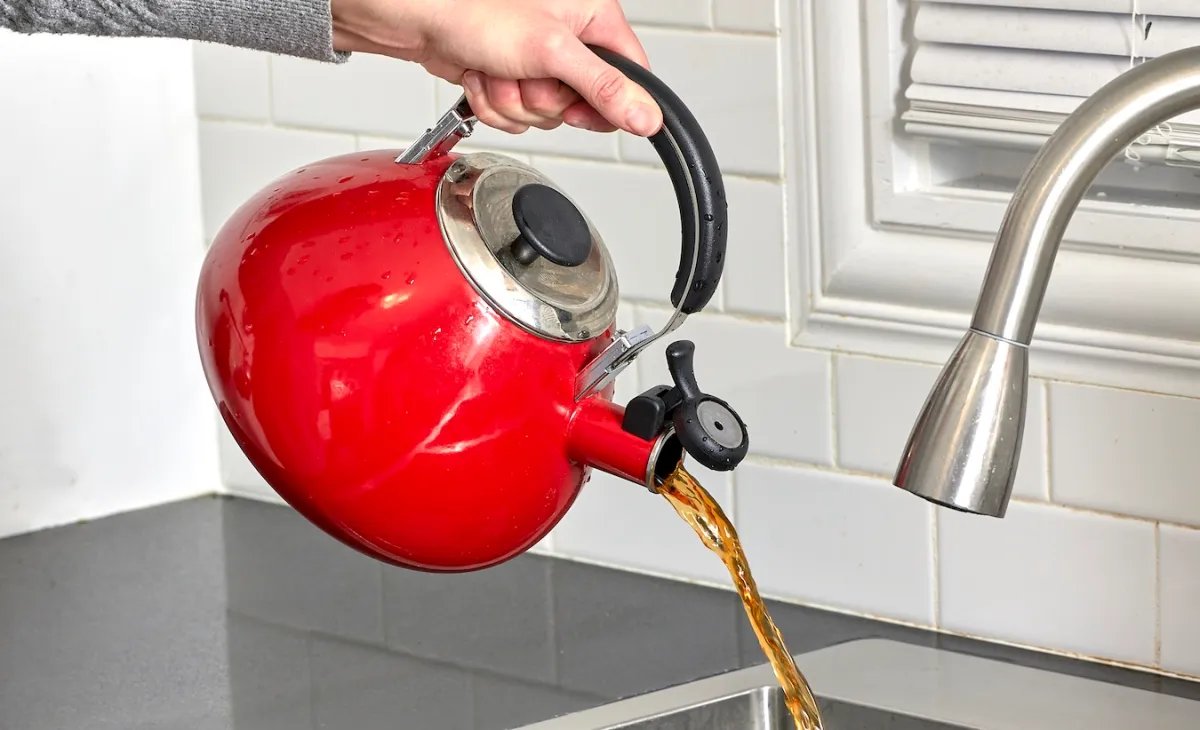
Step 1: Unplug the kettle.
Safety comes first. Before descaling, unplug an electric kettle or turn off the heating element under a stovetop model. When the kettle is cool to the touch, discard any leftover liquid inside, remove the lid, and rinse the interior with cold water.
Step 2: Fill the kettle with vinegar and water.
When it comes to how to clean an electric kettle inside, start by filling the kettle halfway with a solution of equal parts cold water and white vinegar, which is a natural descaling agent. Citric acid can also break down limescale; just fill the kettle with the juice of one fresh lemon or lime topped with enough cold water to reach the halfway point of the kettle.
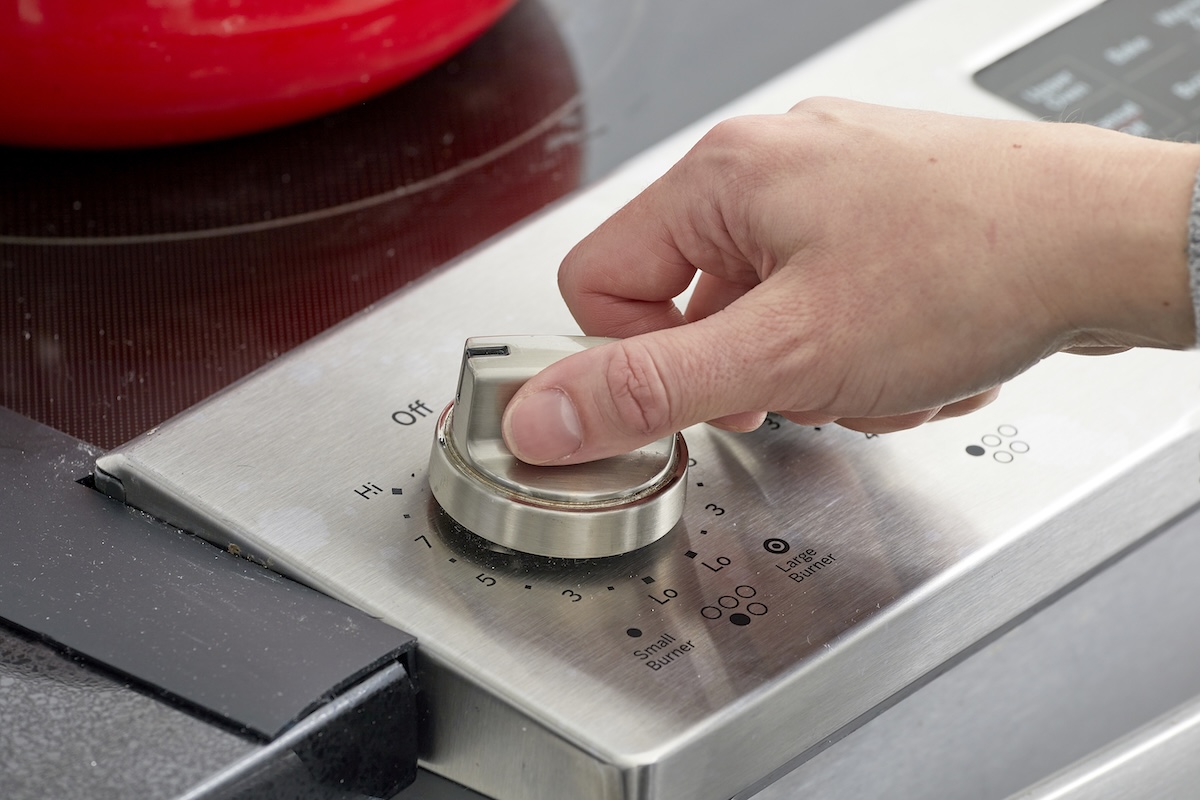
Turn on the stove burner, or plug in your electric kettle, and bring the solution to a boil as the next step in how to clean a hot water kettle. Once the water is boiling, turn off the heat. (If your electric kettle has an automatic switch-off feature, let it turn off on its own.) Allow the vinegar-water (or citrus) solution to sit in the kettle for 30 minutes to an hour.
Pro tip: While either diluted vinegar or lemon is gentle enough for most kettles, you should reference the manufacturer’s instructions to avoid exposing your kettle to liquids that could damage your particular model. If you’re unsure how your kettle will react to an acid, test a drop of the solution on an inconspicuous area before proceeding with the full soak.
Step 3: Rinse and wipe the kettle.
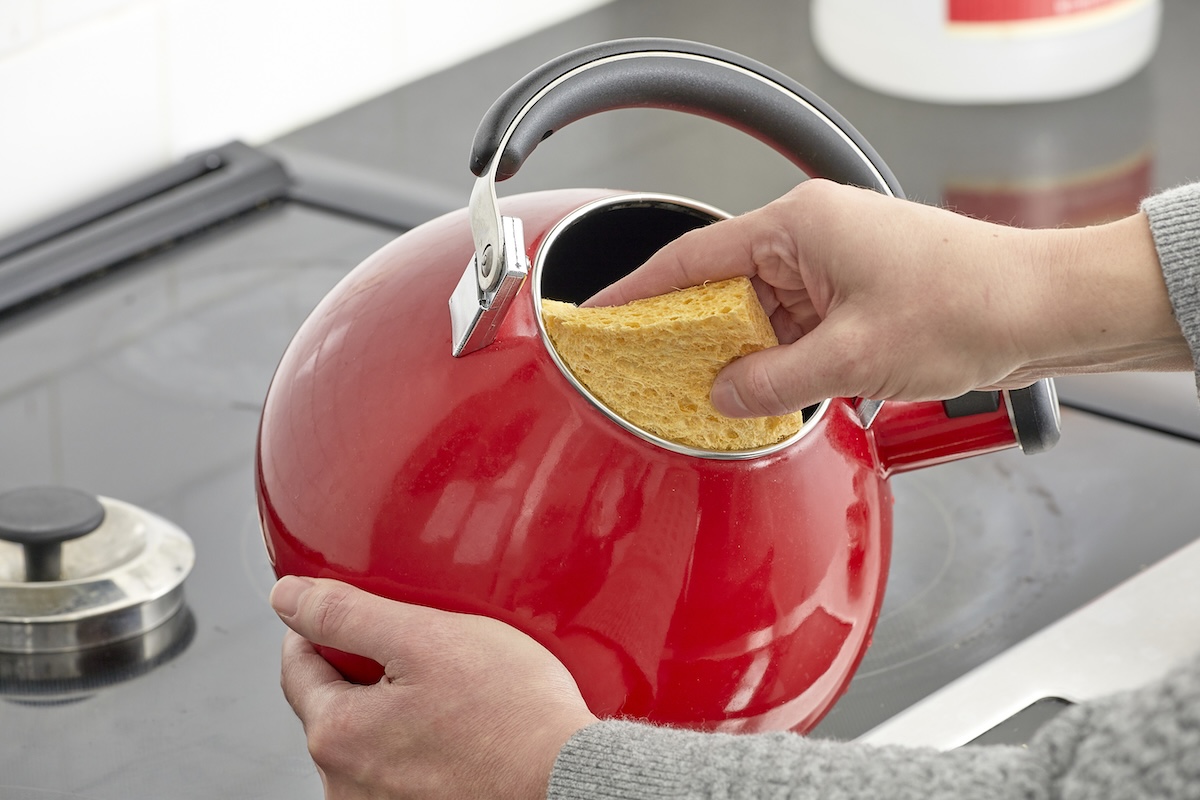
With the decalcifying stage complete, you can now pour out the vinegar-and-water solution. When the kettle is empty, remove the lid and rinse the interior under cold water. Any lingering limescale can be wiped away with a clean, damp cloth. Because the acetic acid in vinegar is powerful enough to dissolve limescale, vigorous scrubbing is neither needed nor recommended.
Step 4: Deodorize the kettle.
To prevent any vinegary aftertaste from seeping into future cups of tea, fill the kettle halfway with cold water. Turn on the stove or plug in the electric kettle, and boil the water in the kettle to deodorize it. When the odor is gone, discard the water and air-dry the kettle before its next use.
Repeat this routine to descale the kettle every month or so, depending on how often you use your kettle, and you’ll keep contaminants at bay—and your beverages fresh and flavorful.
Other Ways to Descale a Kettle
If you have a fairly small amount of limescale buildup, try using the baking soda method to remove it. Fill the kettle about ¾ full of water and add a heaping tablespoon of baking soda. Turn the kettle on, bring it to a boil, then turn the kettle off and let it sit for an hour. Pour out the water and rinse. Then refill and boil the kettle again to remove any baking soda remnants. Empty and rinse the kettle, and it should be good to go.
Wondering how to descale a kettle effectively by using a store-bought formula? There are commercial kettle descalers out on the market, but it’s worth noting that they may contain ingredients that aren’t natural and aren’t particularly healthy to ingest. If you use one of these products, it’s a good idea to rinse the kettle thoroughly afterward. Usage instructions vary by product, but if you follow the directions on the label you should be able to get your kettle back into fine form quickly.
How to Prevent Limescale Buildup in a Kettle
If descaling your kettle sounds like a lot of work, preventing or slowing limescale buildup in the first place can make this chore a bit easier. Here are a few tips to prevent limescale buildup in a kettle:
- Do not leave water in the kettle after use
- Rinse and dry the kettle after each use
- Consider investing in a limescale catcher, a metal ring you place inside the kettle to absorb minerals from the water
- Use only filtered water in your kettle
- Invest in a water softener
Final Thoughts
White flakes in your tea, coffee, or cocoa can be unappealing, and descaling your kettle every month or so should prevent this from happening. Though it likely won’t impact your health to consume these hard calcium deposits, the efficiency and lifespan of your kettle is at risk if you allow limescale to build up. Descaling your kettle takes minimal time and effort, making it a quick chore to check off your to-do list.
Meet the 2025 Tools of the Year
