


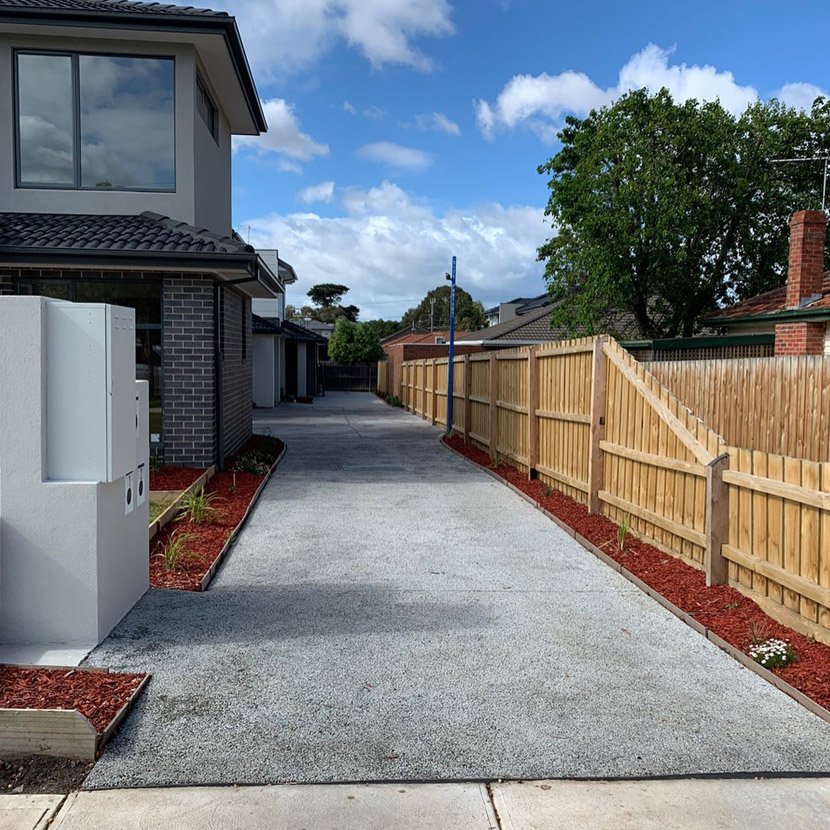
Have you ever watched rainwater pool on your driveway during a downpour, wondering where it all goes? What if your driveway could actually help the environment rather than contribute to stormwater problems? And wouldn’t it be brilliant if your home’s entrance could look fantastic while doing its bit for the planet?
Creating an eco-friendly driveway isn’t just a trend—it’s becoming essential for Australian homeowners who want to reduce their environmental footprint. Permeable paving Australia solutions are gaining serious traction as more people recognise the impact traditional concrete and asphalt driveways have on our waterways, local ecosystems, and urban temperatures. The good news? You don’t need to sacrifice style or durability to go green.
In this guide, you’ll discover everything you need to know about pervious paving materials. We’ll explore what permeable paving actually is, the benefits it brings to Australian conditions, the different materials available, and a step-by-step installation process. Plus, we’ll cover costs, maintenance tips, and common mistakes to avoid. By the end, you’ll have all the knowledge you need to make an informed decision about your eco-friendly driveway project.
What Is Permeable Paving? Understanding The Basics
How Does Permeable Paving Work?
Permeable paving is cleverly designed to allow water to pass through its surface and drain into the ground below. Unlike traditional paving, which creates a solid barrier, pervious materials feature gaps, pores, or specially engineered structures that let rainwater filter through naturally.
The system typically consists of three layers. The top layer is your visible paving material—whether that’s pavers, gravel, or porous concrete. Beneath this sits a bedding layer of fine aggregate, followed by a deeper sub-base of larger crushed stone. This sub-base acts as a reservoir, storing water temporarily before it gradually soaks into the soil.
Permeable vs Impermeable Surfaces: What’s The Difference?
Traditional impermeable surfaces like standard concrete or asphalt block water completely. When it rains, water rushes across these surfaces, picking up oil, chemicals, and debris before flooding into stormwater drains. This puts pressure on drainage systems and pollutes our waterways.
Permeable paving Australia options work with nature rather than against it. Water infiltrates the surface, gets filtered through the aggregate layers, and recharges groundwater supplies. It’s a simple concept with powerful environmental benefits.
Benefits Of Choosing Permeable Paving In Australia
Stormwater Management And Flood Prevention
Australian weather can be unpredictable—long dry spells followed by intense rainfall events. Permeable driveways act as mini drainage systems, absorbing water on your property rather than sending it rushing down the street. This reduces localised flooding and takes pressure off council stormwater infrastructure.
Reducing Urban Heat Island Effect
Anyone who’s walked barefoot across a dark asphalt driveway in summer knows how hot these surfaces get. Permeable paving, particularly lighter-coloured options or grass pavers, absorbs less heat and allows for evaporative cooling. This helps keep your property—and your neighbourhood—cooler during those scorching Australian summers.
Supporting Local Groundwater Recharge
When rainwater filters through permeable paving, it replenishes underground aquifers. This is particularly valuable in areas experiencing water scarcity. Rather than losing precious rainfall to stormwater drains, you’re helping maintain healthy groundwater levels.
Meeting Council Requirements And Environmental Regulations
Many Australian councils now encourage or require permeable surfaces for new developments. Installing a pervious driveway can help you meet planning requirements and may even qualify for environmental incentives in some areas. It’s worth checking with your local council before starting any driveway project.
Types Of Pervious Paving Materials For Driveways
Permeable Concrete Pavers
These pavers look similar to traditional interlocking pavers but feature wider joints filled with permeable aggregate. They’re durable, come in numerous colours and patterns, and can handle vehicle traffic without issue. They’re a popular choice for homeowners wanting a classic aesthetic with environmental benefits.
Porous Asphalt
Porous asphalt looks like regular asphalt but contains less fine aggregate, creating tiny interconnected voids that allow water through. It’s particularly suited to larger driveways and provides a smooth driving surface. While slightly more expensive than standard asphalt, it offers excellent drainage capabilities.
Gravel And Loose Aggregate Systems
Gravel driveways are among the most affordable permeable options. Modern systems use cellular grids or honeycomb structures to keep gravel in place, preventing spreading and rutting. They’re easy to install and maintain, though they may not suit all architectural styles.
Grass Pavers And Turf Reinforcement
Grass pavers combine the strength of concrete or plastic grids with living turf. The result is a green, natural-looking driveway that’s surprisingly tough. These systems work brilliantly in Australia’s climate, though they do require regular mowing and watering to keep the grass healthy.
Resin-Bound Surfaces
Resin-bound paving mixes natural aggregate with clear resin to create a smooth, porous surface. It’s visually striking, available in various colours, and provides excellent drainage. The seamless finish makes it popular for contemporary home designs.
Is Permeable Paving Suitable For Australian Conditions?
How Does Permeable Paving Perform In Heavy Rainfall?
Australian storms can dump significant rainfall in short periods. Quality permeable paving systems are engineered to handle these intense events. The sub-base acts as a reservoir, temporarily storing water before it gradually infiltrates the soil. Properly designed systems can manage rainfall rates exceeding 100mm per hour.
That said, the underlying soil type matters. Clay soils drain more slowly than sandy soils, so your sub-base may need to be deeper to provide adequate storage capacity. A professional installer can assess your site conditions and design accordingly.
Can Permeable Paving Handle Australian Heat And Uv Exposure?
Australian UV levels are intense, and temperatures can soar well above 40°C. Modern permeable paving materials are formulated to withstand these conditions. Concrete pavers resist UV degradation, while quality resin-bound surfaces contain UV stabilisers to prevent discolouration.
Interestingly, permeable surfaces often perform better in heat than their impermeable counterparts. The voids within the material provide some insulation, and evaporative cooling from retained moisture helps moderate surface temperatures.
Step-By-Step Guide: How To Install A Permeable Driveway
Planning And Measuring Your Driveway Space
Start by measuring your driveway area accurately. Consider the slope—water needs to drain through the surface rather than across it. Sketch out your design, noting any existing features like garden beds or utilities that might affect installation.
Check with your local council about permits or regulations. Some areas have specific requirements for permeable paving installations, particularly regarding drainage and setbacks.
Preparing The Sub-Base Correctly
Excavate the existing surface to the required depth—typically 300-400mm for driveways. Remove any organic material and compact the soil base thoroughly. Install geotextile fabric to prevent fine soil particles from clogging the aggregate layers.
Add your crushed stone sub-base in layers, compacting each layer as you go. This creates a stable foundation and provides water storage capacity. The sub-base depth depends on your soil type and local rainfall patterns.
Laying Your Chosen Permeable Material
Add a bedding layer of fine aggregate, levelling it carefully. Install your chosen paving material according to manufacturer guidelines. For pavers, maintain consistent joint spacing and fill joints with permeable aggregate. For porous concrete or asphalt, professional installation is recommended.
Finishing Touches And Edging
Install edge restraints to keep pavers or aggregate in place. These can be concrete, metal, or plastic, depending on your aesthetic preferences. Sweep additional aggregate into joints and compact the surface gently. Consider adding a sealant to resin-bound surfaces for extra protection.
How Do You Maintain A Permeable Driveway?
Cleaning And Preventing Blockages
Keep your permeable driveway clear of leaves, sediment, and debris. Regular sweeping prevents material from clogging the surface pores. For stubborn blockages, pressure washing or vacuuming can restore drainage capacity.
Seasonal Maintenance Tips
In autumn, clear fallen leaves promptly. Before winter rains, inspect joints and replenish aggregate if needed. During summer, check grass pavers for dry patches and water accordingly. Annual professional inspections help identify any maintenance needs before they become problems.
Common Mistakes To Avoid When Installing Pervious Paving
Don’t skimp on sub-base depth—inadequate storage capacity leads to surface flooding. Avoid using standard sand for bedding or joints, as it can wash into voids and cause blockages. Never compact permeable surfaces with heavy equipment designed for traditional paving.
Ignoring soil conditions is another common error. Clay soils require deeper sub-bases and may need additional drainage solutions. Finally, don’t forget edge restraints—without them, pavers shift and joints widen, compromising both appearance and function.
Creating an eco-friendly driveway with pervious paving materials is one of the smartest home improvements you can make. You’ll be managing stormwater naturally, reducing heat absorption, supporting groundwater recharge, and potentially meeting council environmental requirements—all while enjoying a beautiful, functional driveway.
The variety of permeable paving Australia options means there’s something for every taste and budget. Whether you prefer the classic look of concrete pavers, the natural appeal of grass pavers, or the contemporary finish of resin-bound surfaces, you can find a solution that works for your home.
Taking the first step is easier than you might think. Start by researching local suppliers, getting quotes from experienced installers, and checking council requirements. Your new eco-friendly driveway won’t just improve your property—it’ll contribute to a healthier environment for everyone. That’s a win worth driving home on.
