

Economists at Goldman Sachs are warning that recession risks are rising as a fragile labor market collides with inflation pressures tied to intensifying global conflict. The bank has raised its 12-month recession probability to 25%, reflecting mounting concern that slowing hiring, higher oil prices and persistent policy uncertainty are weighing on economic momentum.
The shift underscores growing anxiety on Wall Street that the policy uncertainty under President Trump; particularly tariffs and geopolitical tensions; is arriving at a moment when growth was already cooling.
A jobs report that rattled markets
February payrolls fell by 92,000; a figure economist described as a “reminder that job growth is still too low.”
The bank estimates underlying job creation is barely above zero, trailing the roughly 70,000 monthly jobs needed just to keep pace with population growth. Job openings have also been trending lower, reinforcing the view that labor demand is softening.
Fresh data from the Bureau of Labor Statistics showed job openings climbed to 6.95 million in January from 6.55 million in December. Layoffs also declined, suggesting firms are still reluctant to cut staff aggressively.
However, hiring rates remained unchanged, highlighting an employment market that is stable on the surface but struggling to generate sustained growth.
The unemployment rate rose to about 4.4% and Goldman now expects it to climb toward 4.6% later this year. A downward revision to labor-force participation; driven by updated population data showing more retirees; has further darkened the employment picture.
Taken together, slower hiring and demographic changes suggest the labor market may be losing momentum just as broader economic risks intensify.
Oil prices become the new economic wildcard

Energy markets have grown increasingly volatile amid global conflict, with supply risks pushing crude prices sharply higher. Analysts warn that disruptions to key shipping routes could send oil well above $100 per barrel, adding to inflation pressures and weighing on household spending.
Even temporary supply shocks can ripple quickly through transportation, food, and manufacturing costs; amplifying downside risks for growth.
Economic uncertainty is beginning to affect households. A survey from the University of Michigan showed consumer sentiment falling to a three-month low as concerns about higher gasoline prices mounted.
Tariffs are already showing up in inflation
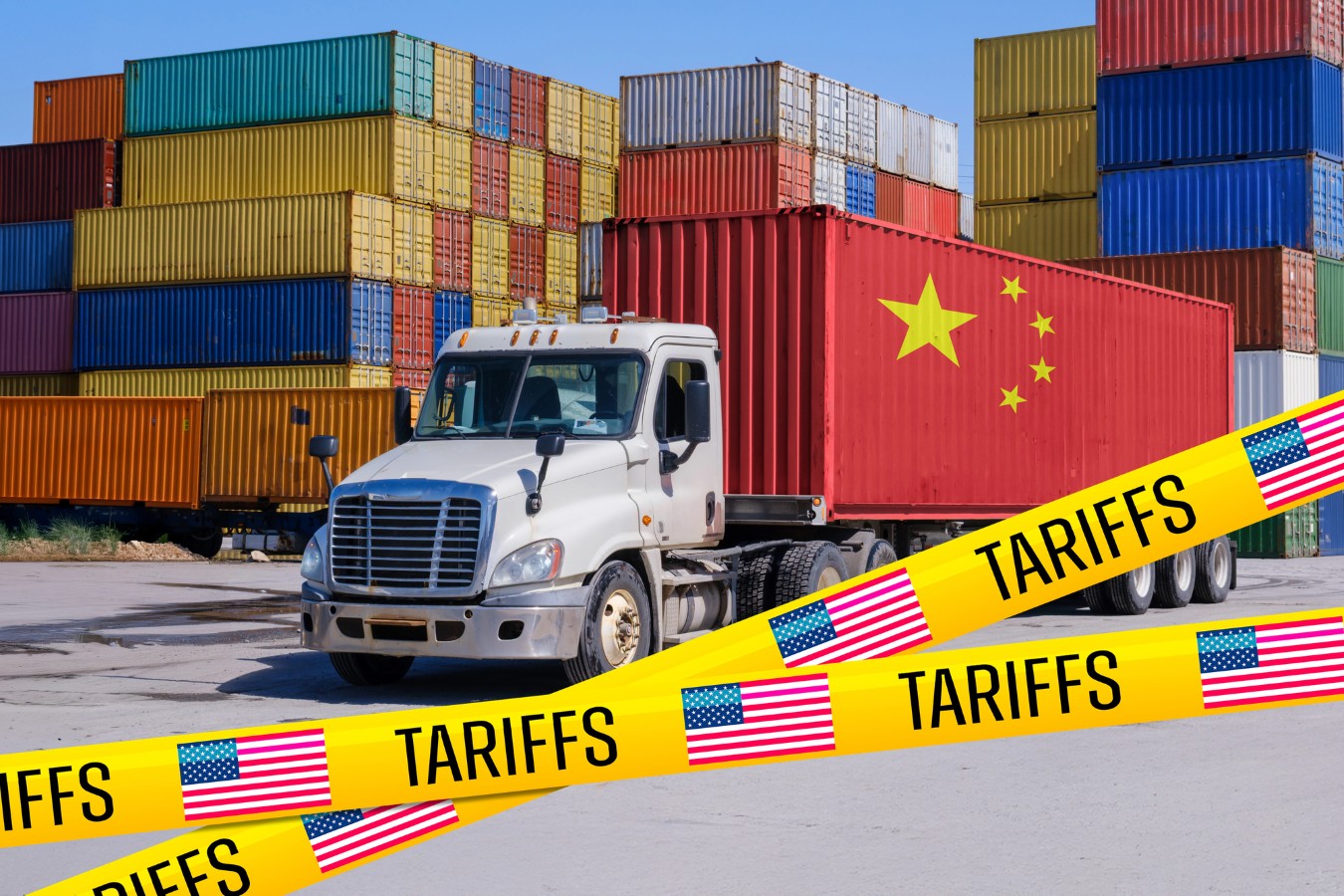
Goldman estimates trade tariffs have added more than 70 basis points to core inflation. Without those policy effects, underlying price growth would appear significantly more contained, suggesting that trade tensions are directly contributing to elevated inflation.
Higher import costs and supply-chain adjustments continue to feed through to consumer prices, complicating the economic outlook.
The Federal Reserve faces a stagflation squeeze
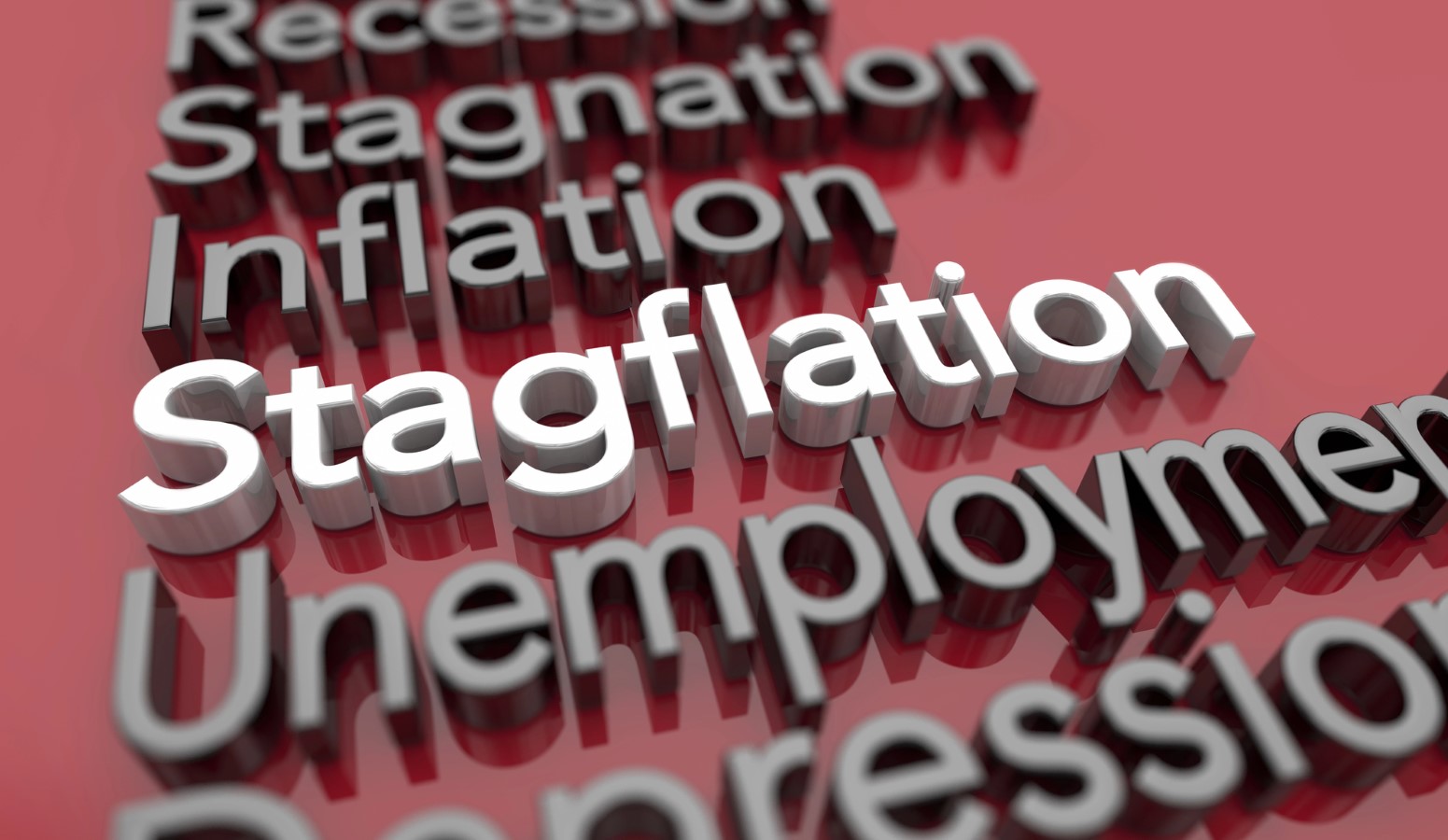
Policymakers at the Federal Reserve are confronting a difficult trade-off: a cooling labor market that argues for rate cuts versus inflation risks linked to energy prices and tariffs that argue for patience.
Goldman has pushed its forecast for rate reductions into late 2026, noting that rising price pressures could delay monetary easing unless job conditions deteriorate significantly.
Growth was already slowing before tensions intensified
The broader economy entered the year on weak footing. According to the U.S. Commerce Department, GDP grew at just a 0.7% annualized pace in the fourth quarter; sharply below earlier estimates and far slower than mid-year growth.
Exports, consumer spending and government outlays were all revised lower, underscoring fading momentum even before energy-market volatility surged.
Goldman is tracking first-quarter GDP growth near 3.3%, but much of that reflects a temporary rebound from last year’s government shutdown. The bank expects growth to slow toward roughly 2% in subsequent quarters; close to what economists describe as stall speed.
Reasons for cautious optimism remain

Despite rising recession risks, Goldman’s base case still calls for continued expansion. Productivity growth has averaged about 2.2% annualized during the current cycle, while cooling rent growth is expected to pull shelter inflation lower later this year.
Economists also note that if employment weakens further, earlier rate cuts could provide a policy cushion; a stabilizing factor that has helped limit the severity of past downturns.
The full impact on the US economy and financial markets from the conflict remains highly fluid and uncertain. The longer the disruptions persist, the larger the possible negative hit to business and consumer confidence from increased uncertainty that would inflict further drag on economic activity.
For now, the U.S. economy faces a delicate balancing act; navigating geopolitical risk, inflationary pressures and a labor market that is beginning to show clearer signs of strain.
Like Financial Freedom Countdown content? Be sure to follow us!
14 essential strategies to maximize your Social Security and avoid costly mistakes
Social Security is a vital lifeline for many seniors, providing crucial income support during retirement. With inflation at its highest in four decades, Social Security’s inflation-adjusted benefits offer protection against rising costs.
Rising interest rates have disrupted many retirement portfolios, causing bond fund values to plummet. In this volatile financial landscape, Social Security can stabilize a typical stock-bond retirement portfolio. By implementing smart strategies, retirees can maximize their Social Security benefits and ensure a more secure financial future.
14 Essential Strategies to Maximize Your Social Security and Avoid Costly Mistakes
11 reasons you should claim Social Security early

Deciding when to claim Social Security is often about maximizing your benefit. Financial planners usually advise delaying your claim for as long as possible to secure the highest monthly payment. Your benefit is based on your lifetime earnings, with a full payout available at your full retirement age (FRA), which is currently between 66 and 67 depending on your birth year. Claiming before FRA results in a permanent reduction in your monthly benefit, while waiting beyond FRA leads to a permanent increase. However, the decision isn’t solely about maximizing the monthly check. Personal factors such as health, family circumstances, and financial needs can play a significant role in determining the right time to claim.
11 Reasons You Should Claim Social Security Early
Did you find this article helpful? We’d love to hear your thoughts! Leave a comment with the box on the left-hand side of the screen and share your thoughts.
Also, do you want to stay up-to-date on our latest content?
1. Follow us by clicking the [+ Follow] button above,
2. Give the article a Thumbs Up on the top-left side of the screen.
3. And lastly, if you think this information would benefit your friends and family, don’t hesitate to share it with them!

John Dealbreuin came from a third world country to the US with only $1,000 not knowing anyone; guided by an immigrant dream. In 12 years, he achieved his retirement number.
He started Financial Freedom Countdown to help everyone think differently about their financial challenges and live their best lives. John resides in the San Francisco Bay Area enjoying nature trails and weight training.
Here are his recommended tools
Personal Capital: This is a free tool John uses to track his net worth on a regular basis and as a retirement planner. It also alerts him wrt hidden fees and has a budget tracker included.
Platforms like Yieldstreet provide investment options in art, legal, real estate, structured notes, venture capital, etc. They also have fixed-income portfolios spread across multiple asset classes with a single investment with low minimums of $10,000.