


Senate Democrats are reviving a consumer protection fight that pits Washington against Wall Street, unveiling legislation to sharply cap credit card late fees as households continue to feel squeezed by high prices and borrowing costs.
A New Push to Cap Late Fees at $8
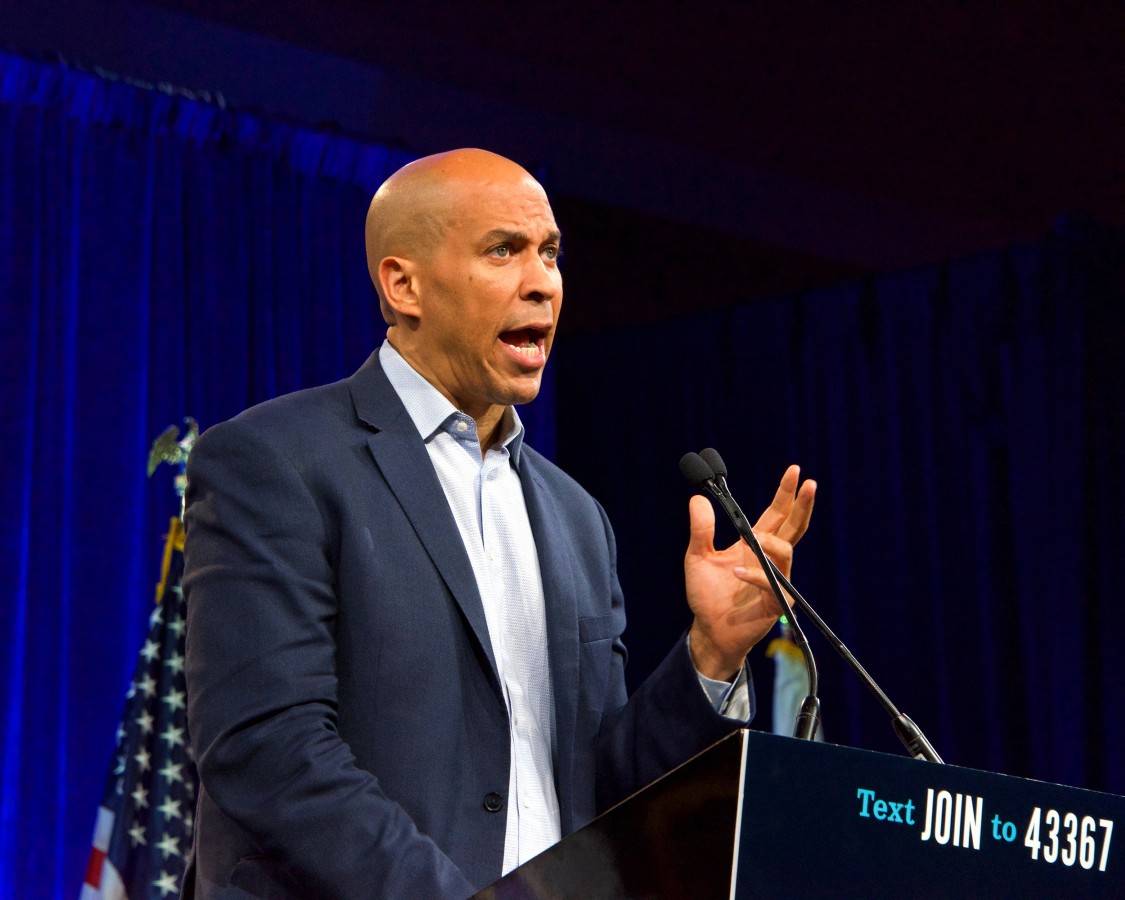
Democratic Sens. John Fetterman of Pennsylvania, Cory Booker of New Jersey, and Tammy Baldwin of Wisconsin introduced the Credit Card Fairness Act, which would cap credit card late fees at $8. The proposal is designed to shield consumers from what lawmakers call excessive penalties that often fall hardest on working families.
Turning a CFPB Rule Into Law

The legislation would codify a March 2024 rule from the Consumer Financial Protection Bureau (CFPB) that reduced the typical late fee from about $32 to $8. By writing the rule into statute, Democrats hope to make the cap more durable and less vulnerable to court challenges.
How Late Fees Ballooned Under Existing Law

The original Credit Card Accountability Responsibility and Disclosure (CARD) Act of 2009 barred “excessive” fees but allowed regulators to set specific limits. When the Federal Reserve implemented the law in 2010, it permitted fees of up to $25 for a first late payment and $35 for subsequent ones. Adjusted for inflation, those limits climbed to $30 and $41 by 2024.
Fetterman: ‘Absolutely Wrong’ to Charge $41
Fetterman blasted the current system, saying banks are “profiteering off people” by charging as much as $41 for a single late payment. With many Americans already struggling to cover basic expenses, he argued, late fees only deepen financial stress rather than promote responsible borrowing.
Who the Cap Would Apply To

Under the proposal, the $8 cap would apply to “large” credit card issuers; defined as companies with at least 1 million open accounts in the prior year. Smaller issuers would not be immediately subject to the new limit, a carveout meant to blunt industry pushback.
Inflation Adjustments Still on the Table

While the bill clamps down on fees, it would also allow the CFPB to raise the cap over time based on inflation. With inflation running at 2.7 percent last month, according to federal data, lawmakers argue the provision balances consumer protection with economic reality.
Banks and Business Groups Cry Foul

The banking industry has strongly opposed the CFPB’s approach. The U.S. Chamber of Commerce and other groups sued the agency in April 2024, arguing it overstepped its authority and that lower late fees would discourage responsible credit use.
A Trump-Appointed Judge Blocks the Rule
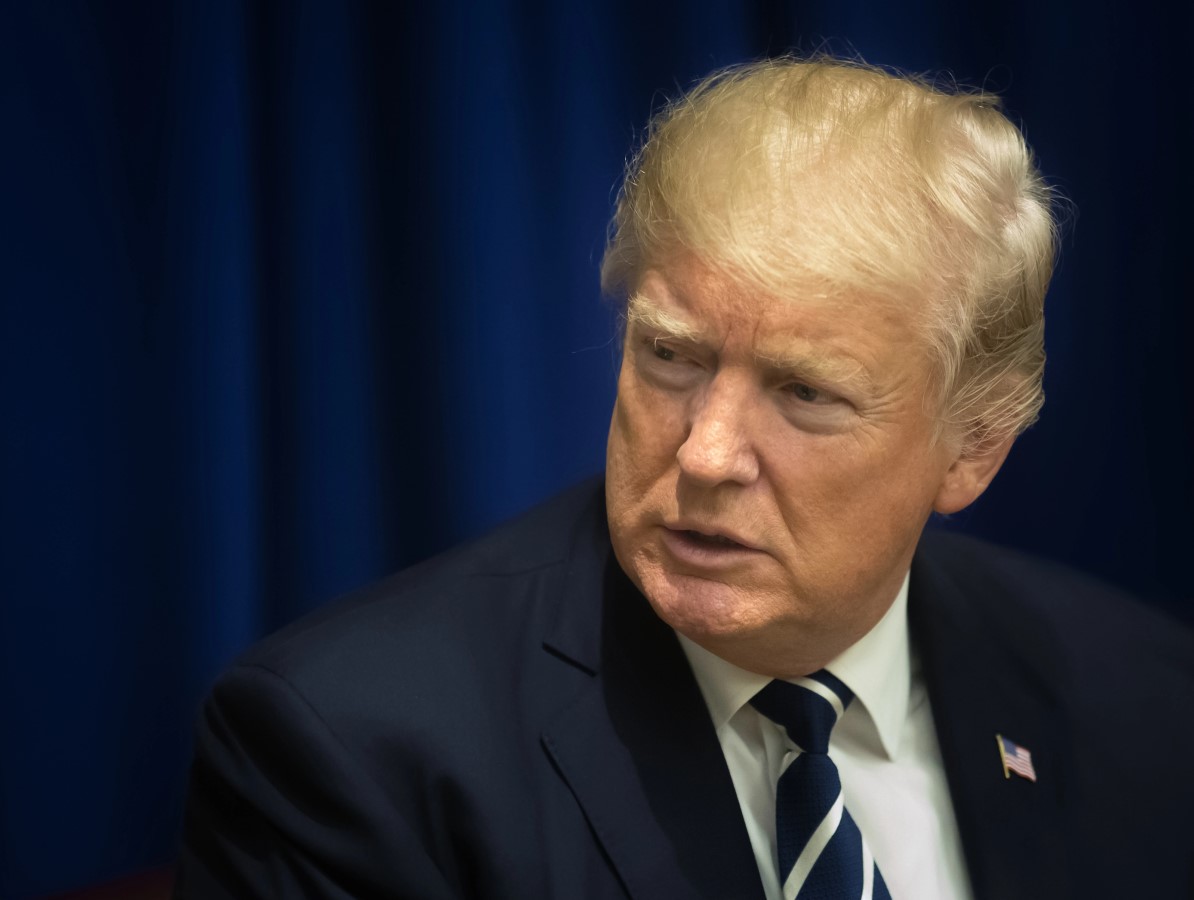
Those legal challenges paid off last year when U.S. District Judge Mark Pittman, appointed by President Trump, struck down the CFPB’s guidance. That ruling is a key reason Democrats are now seeking to lock the policy into law through Congress.
Booker and Baldwin Frame It as Consumer Relief

Booker said consumers shouldn’t face “predatory late fees” that far exceed the actual cost of collection, accusing banks of generating billions in profits off penalties. Baldwin echoed that message, saying the bill would “crack down on big banks” and give families some breathing room.
The Political Crosscurrents Ahead of Midterms
The proposal lands amid renewed debate over credit card practices.
Just last Friday, Trump called for capping credit card interest rates at 10 percent starting Jan. 20, signaling that consumer credit could become a bipartisan flashpoint even as banks prepare to fight any new restrictions as both political parties gear up for the midterms.
Like Financial Freedom Countdown content? Be sure to follow us!
“This Will Bite”: JPMorgan CEO Jamie Dimon Sounds Alarm on America’s $38 Trillion Debt
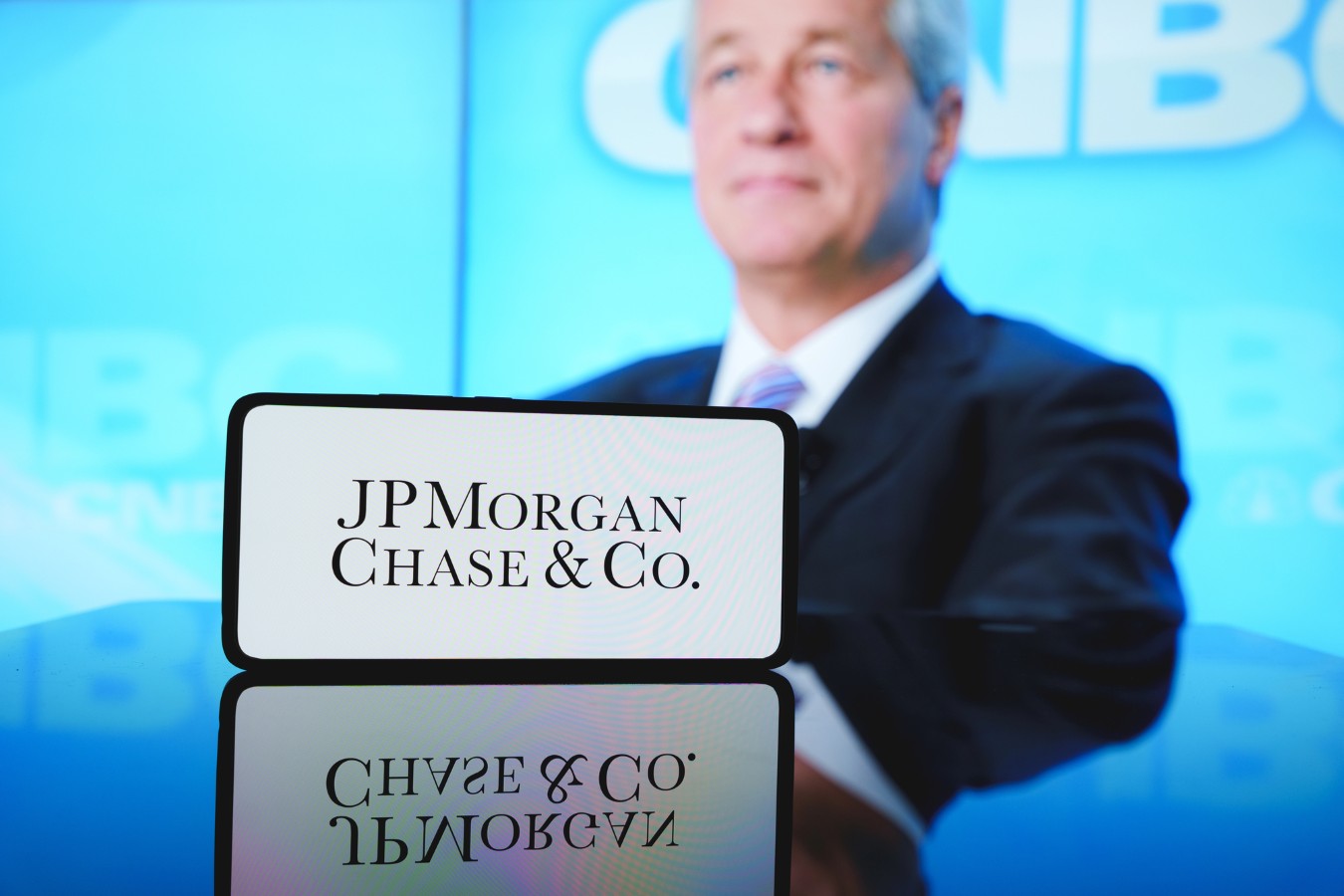
Jamie Dimon delivered a blunt reality check to Wall Street this week, warning that soaring government debt is a slow-burn risk that markets and policymakers are underestimating. Speaking on JPMorgan Chase’s fourth-quarter 2025 earnings call, the bank CEO said deficits in the U.S. and around the world will eventually trigger consequences that can’t be wished away.
“This Will Bite”: JPMorgan CEO Jamie Dimon Sounds Alarm on America’s $38 Trillion Debt
2026 State Tax Shake-Up: See How Your Income, Property, and Sales Taxes Will Change
As the calendar flips to 2026, taxpayers across the country will feel the impact of sweeping state tax changes. From income tax cuts and flat-tax expansions to corporate reforms, sales tax overhauls, and property tax relief, 43 states are implementing notable tax changes, most taking effect January 1, 2026. Together, they reveal a clear trend: states are competing harder than ever to attract workers, families, retirees, and businesses. Below are some of the significant changes.
2026 State Tax Shake-Up: See How Your Income, Property, and Sales Taxes Will Change
Did you find this article helpful? We’d love to hear your thoughts! Leave a comment with the box on the left-hand side of the screen and share your thoughts.
Also, do you want to stay up-to-date on our latest content?
1. Follow us by clicking the [+ Follow] button above,
2. Give the article a Thumbs Up on the top-left side of the screen.
3. And lastly, if you think this information would benefit your friends and family, don’t hesitate to share it with them!

John Dealbreuin came from a third world country to the US with only $1,000 not knowing anyone; guided by an immigrant dream. In 12 years, he achieved his retirement number.
He started Financial Freedom Countdown to help everyone think differently about their financial challenges and live their best lives. John resides in the San Francisco Bay Area enjoying nature trails and weight training.
Here are his recommended tools
Personal Capital: This is a free tool John uses to track his net worth on a regular basis and as a retirement planner. It also alerts him wrt hidden fees and has a budget tracker included.
Platforms like Yieldstreet provide investment options in art, legal, real estate, structured notes, venture capital, etc. They also have fixed-income portfolios spread across multiple asset classes with a single investment with low minimums of $10,000.