


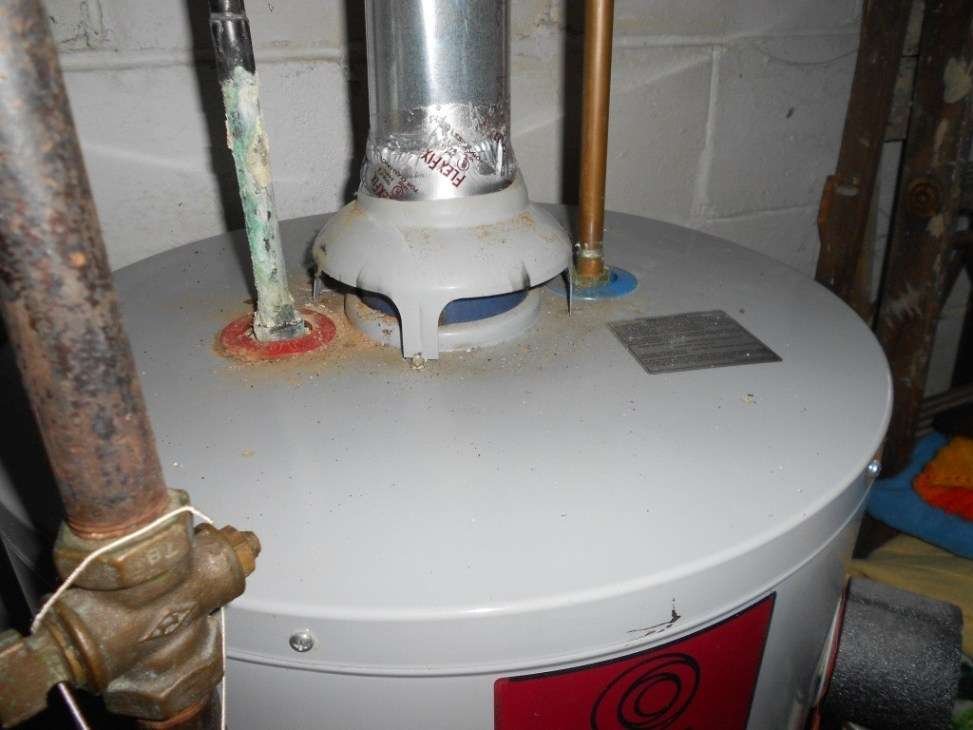
Most people have a hot water tank in their homes, but if it’s gas-fired, you could develop a danger you may not notice until it’s too late. This is because gas water heaters use combustion to heat the water, and the tank must vent the exhaust outside; otherwise, it can cause water heater backdrafting. This happens when poisonous combustion gases are pulled back into your home instead of exiting through the flue.
Understanding Your Water Heater Venting
The standard gas water heater will have a galvanized steel pipe coming out the top. It looks sort of open at the top (this is called the draft hood), and it should pull the exhaust up the pipe just like your fireplace creates a draft for the smoke from a fire.
Who Checks This?
Ideally, a professional should inspect this annually. When you have a technician to check your furnace, it’s a good idea to have them look at the tank to prevent hot water heater backdrafting, especially if both appliances use gas as the fuel.
How to Spot the Signs of Hot Water Heater Backdrafting
You don’t always need a pro to find the first warning signs. Look for these red flags:
Melted Plastic: Look at the plastic rings (escutcheons) where the water lines enter the tank. If they are warped or melted, it’s a clear sign of backdrafting.
Pitting: Look at the top of the tank for “pitting” or a white, crusty type of buildup. This is caused by acidic exhaust condensation settling on the metal.
Simple DIY Tests for Water Heater Backdrafting
If you suspect a problem, you can perform these simple tests while the heater is running:
The Mirror Test: Place a mirror next to the draft hood (the open part of the vent). If it fogs up, you are getting a backdraft.
The Lighter Test: Hold a lit lighter near the draft hood. The flame should be pulled into the vent. If the flame flickers away or goes out, the exhaust is spilling into your room.
The Smoke Test: Light an incense stick or a match, blow it out, and watch the smoke near the vent. If the smoke isn’t pulled up the flue, you have a problem.
Why Backdrafting is a Silent Killer
This is a critical safety issue because hot water tanks create combustion fumes, including carbon monoxide (CO). Because carbon monoxide is odorless and colorless, a standard smoke detector will not detect it.
To protect your family, you should install a dual smoke/carbon monoxide detector on every level of your home and near all bedrooms. Be sure to test them regularly and change the batteries. These dual detectors usually cost around $50, which is a small price for peace of mind.
Common Causes of Venting Failures
If your tests show that you have water heater backdrafting, the cause is usually one of the following:
The “Orphaned” Water Heater: If you replaced an old furnace with a high-efficiency model that vents through a PVC pipe in the wall, your water heater is now “orphaned.” The old chimney may now be too large or too cold to pull a proper draft for the water heater alone.
Negative Pressure: In “tight” modern homes, running bathroom or kitchen fans can suck air down the vent to compensate for the air being pushed out of the house.
Improper Vent Pitch: Exhaust pipes must slope upward at least 1/4 inch per foot.
Blockages: Birds or critters can fall into the chimney and create a clog. A chimney sweep can clear the flue and install a cap to prevent this.
Professional Solutions
If you find the vent is too big, you may need to install a smaller chimney liner to maintain the heat needed for a strong draft. Additionally, installing a “combustion air intake” can help bring fresh “make-up air” into the room to balance the pressure.
