



Q: In winter, the central heating in our home makes the air very dry. I also suspect that the lower temperatures and humidity caused the wood grain in my antique dresser to crack! Beyond adding humidifiers for every room, how can we increase humidity levels indoors?
A: As if winter isn’t harsh enough outside! When indoor humidity drops below 30 percent during cold months, people are more apt to experience chapped skin and irritated eyes, noses, and sinuses. And you’re right: Low humidity can cause wood and other plant-based furniture and flooring to shrink and crack. What’s more, wallpaper can peel away from the walls, and household plants can wither when dryness is extreme (below 5 percent).
The good news is that tweaking a few of your everyday habits can help add moisture to the air in your home. The key is to ramp up natural evaporation while using heat sources such as radiators and stovetops that transfer water vapor into the air quickly.
It’s a good idea to pick up an inexpensive digital thermometer with a humidity gauge so you can monitor your moisture levels. For optimal humidity at home, aim for levels between 30 and 50 percent. (Note that moisture levels above 50 percent can cause problems, too, including mold growth, structural decay, warping of wood furniture, and damage to painted surfaces.)
Our Top Pick
AcuRite Digital Mini Hygrometer with Indoor Thermometer
What We Like: “The humidity percentage and gauge let users know if the air comfort level is Low, OK, or High.” Read the review
Photo: amazon.com
“The 30 to 50 percent range is standard, but personal comfort, health, and the season should guide specifics,” says Josh Mitchell, an HVAC expert based in Nevada City, Calif. “Winter conditions might call for humidity closer to 30 percent to prevent window condensation, while you might want to edge towards 50 percent in dry, hot periods to maintain skin and respiratory comfort,” says Mitchell, who runs Air Conditioner Lab.
Ready to be a whole lot more comfortable indoors this winter? Here’s what you can do to add moisture to the air inside your house.
Lower the thermostat.
Central heating blows hot air into your rooms, increasing evaporation and drying the air out quickly. To slow this process, use a programmable thermostat (as recommended by the U.S. Department of Energy) to keep the heat set at 68 degrees Fahrenheit, a move that’s bound to decrease your energy bill.
Use radiant heat sources.
A portable, oil-filled radiator is a plug-in heater that uses radiant energy. Radiant heat is transmitted via electromagnetic waves, which are absorbed by objects in the room and warming the space—sort of like when your clothes absorb the sun’s heat. This type of heat is less drying than the hot air that blows from your central heating system. To keep usage costs down, use the device in the room you’re in with the door closed to hold in the heat.
Place containers of water on elevated surfaces to increase humidity in a room.
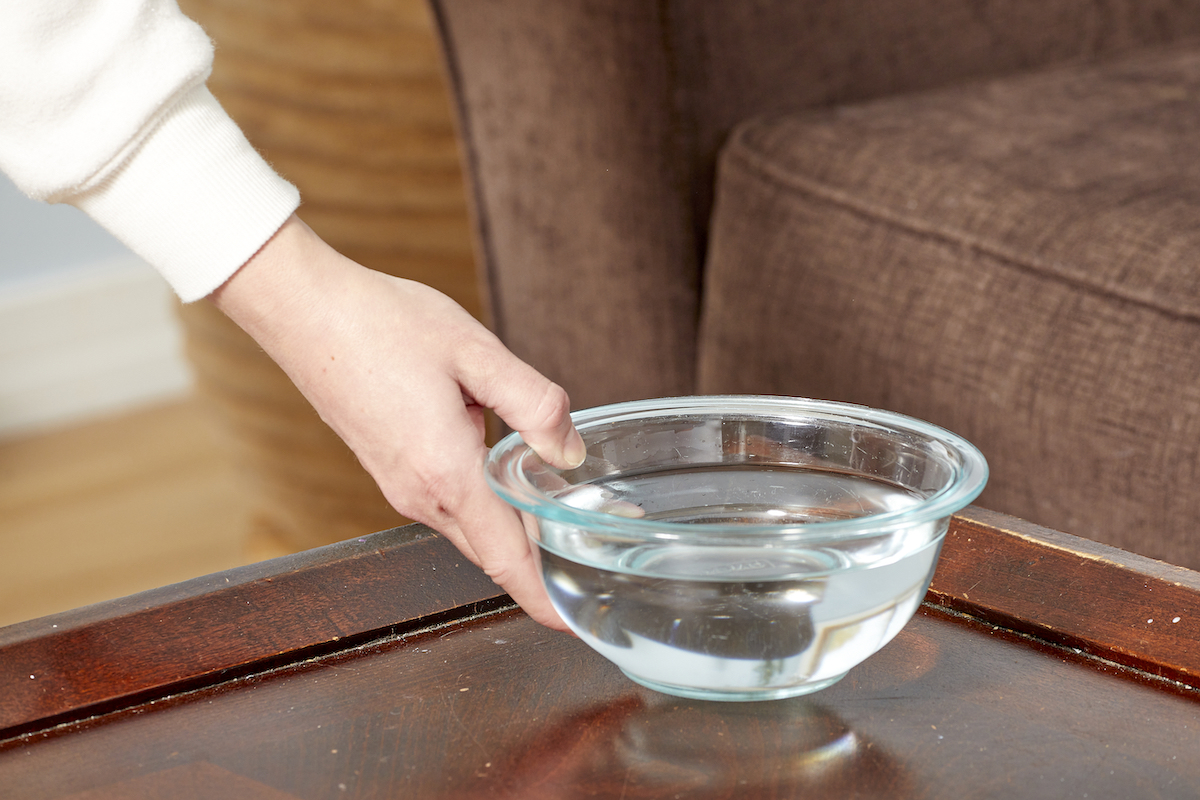
One of the easiest ways to add moisture to dry air is to place bowls or saucers of water on surfaces around the house. Locate them away from foot traffic to prevent accidental spills, and keep them out of reach of children and pets. Wide window sills are ideal, since sunlight can warm the water and help it evaporate faster.
If your home has built-in radiators instead of central heating, capitalize on these radiant heat sources by placing a bowl of water on top of each unit to humidify each room. “The heat will naturally evaporate the water and increase the humidity,” Mitchell says. Depending on how hot your radiators get, take care to use a cloth or kitchen mitt when you lift the bowls. If the heat issues from air vents in your home, you can position a small bowl of water near the vents to blow in additional moisture.
Boil water on the stove when you’re at home.
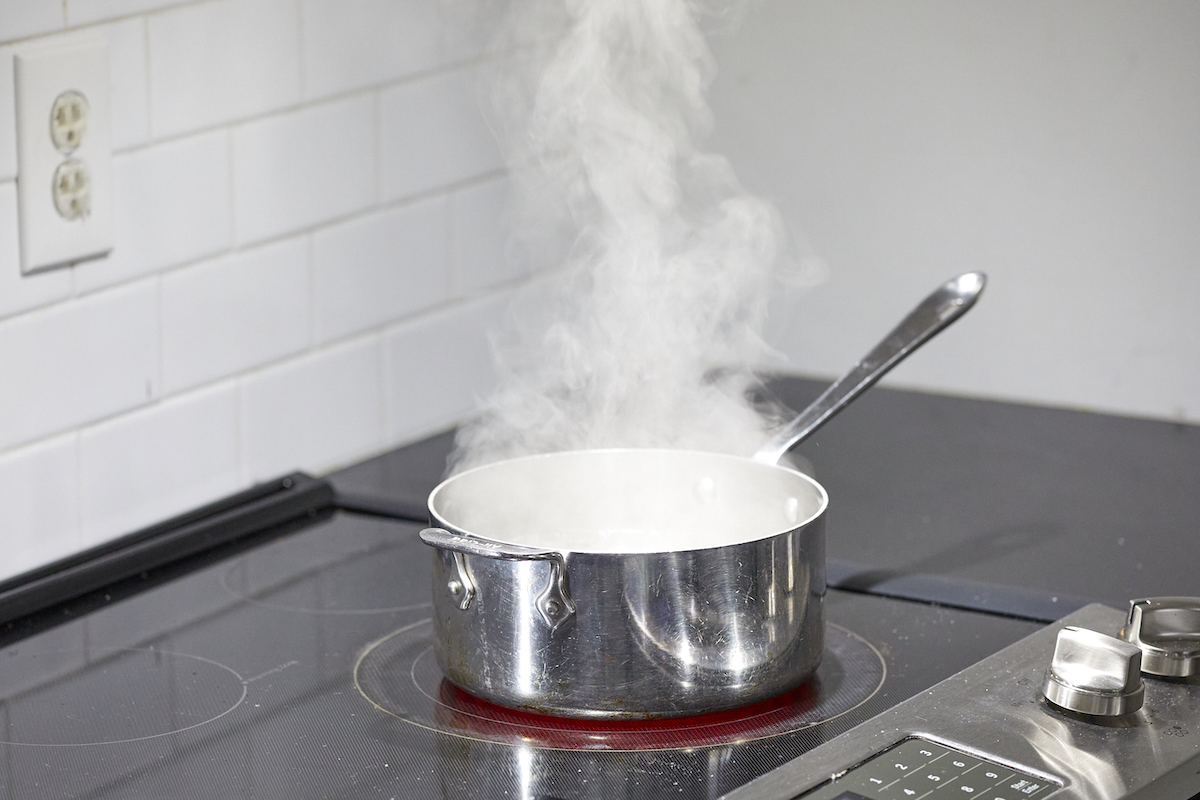
Boiling a pot of water on the stove adds moisture to the air in a hurry, but never leave a pot or tea kettle on the burner unattended. Once the water boils away, the pot will get dangerously hot. Set a timer on your phone if you have to step away from the kitchen so you won’t forget about the water on the stovetop.
Construct a plant humidifier.
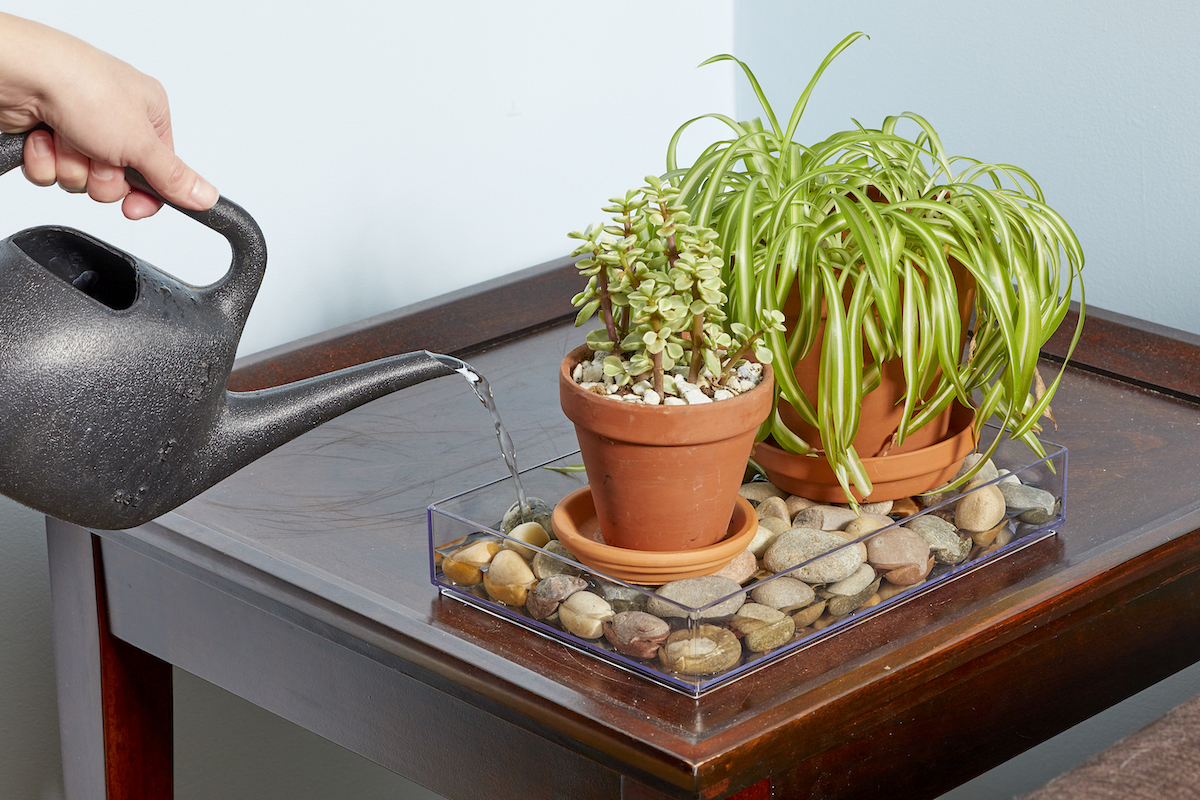
If you have houseplants, low humidity can cause brown, curling leaf tips and dried-out soil. Fill a waterproof tray with stones or pebbles and pour in enough water to cover the bottom (half an inch to an inch, depending on the depth of the tray), leaving the upper pebbles dry. Place potted plants atop the pebbles, and natural evaporation will keep them moist and happy while creating a humid microclimate in the room. You can also mist plant leaves as often as needed with water from a spray bottle.
If you don’t have houseplants, you might want to get some. “Plants naturally release moisture through a process called transpiration,” Mitchell explains. “By keeping your plants well watered, you’re helping increase the moisture content in the air. Choose plants that require more water; they often transpire more.”
Furthermore, plants’ ability to remove impurities such as bacteria and mold from the air can combat poor indoor air quality. Weeping fig, peace lily, and areca palm are particularly good filters. And that’s in addition to the gifts that these living things of beauty already bestow to decor.
Leave the bathroom door open.
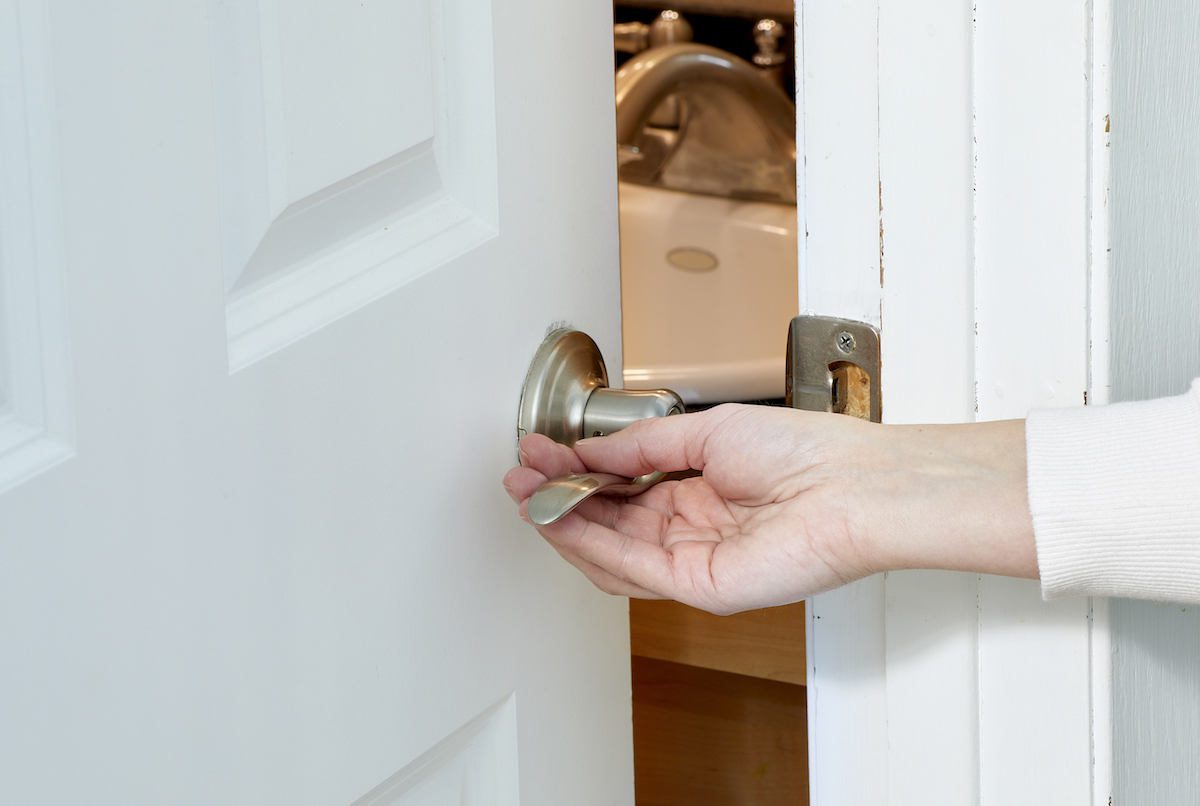
While you’re showering, that is! This lets steam escape and fill other rooms with much-needed moisture. If you typically use a bathroom exhaust fan to wick away humidity, turn it off in winter. And if you prefer baths, don’t drain the water immediately after use; let it sit and cool naturally instead.
Steam fabrics rather than ironing them.
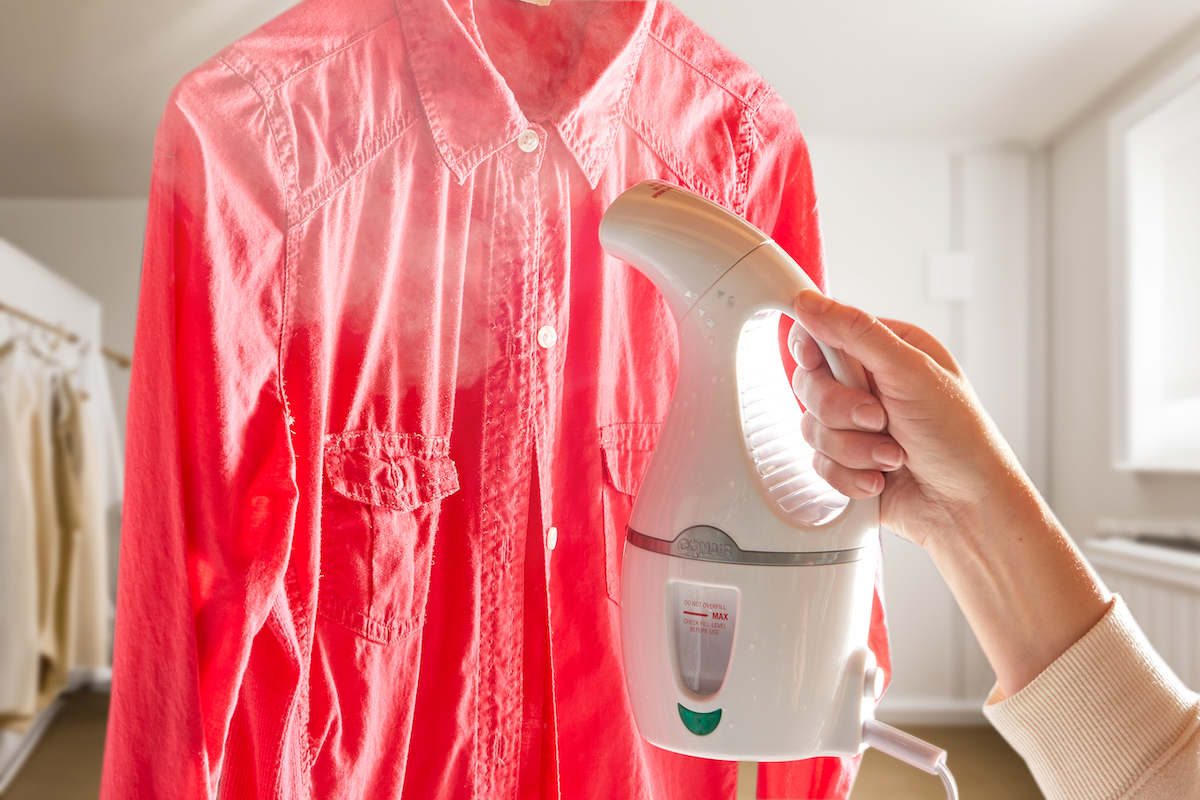
Who knew that laundry care could humidify a room? A portable steamer provides an easy way to remove wrinkles from clothing and curtains while also adding moisture to the air. These handy devices are much cheaper than humidifiers, require no filters, and heat up in seconds.
Plug in a portable humidifier.
While you might not want a humidifier in every room, putting a portable unit in just the bedroom, for example, might be a good idea. Or you could go with a whole-house humidifier, though this step is among the pricier options for adding humidity to your home.
Make dinner on the stovetop, rather than in the oven.
Cooking in the oven tends to dry out the air, while cooking on the stovetop does the opposite. Whatever you’re making for dinner tonight, make it on the stovetop rather than in the oven. Through the dry winter months, every bit of incidental moisture can help you feel more comfortable at home—for free and for very little extra effort.
Open the dishwasher to allow dishes to air dry.
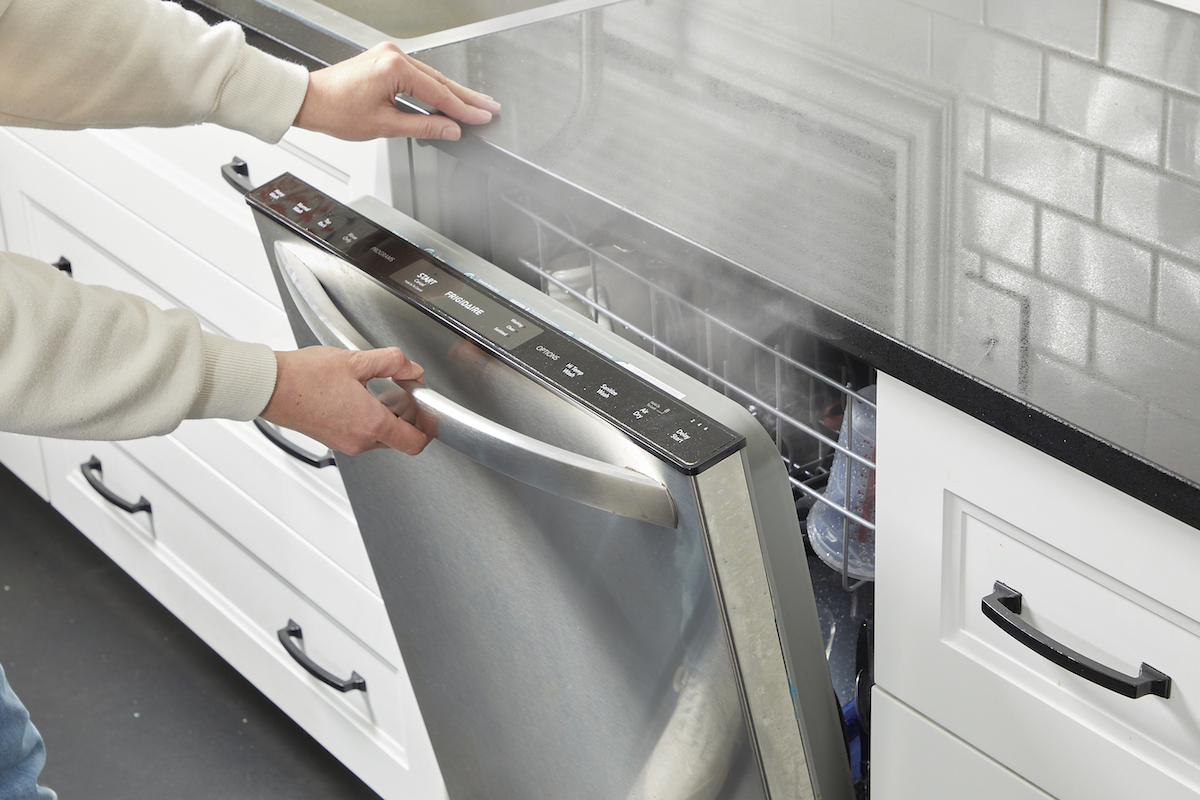
Here’s another free and extremely easy way to increase the moisture content of dry indoor air: At the end of a dishwasher’s rinse cycle, open the door to the appliance and pull out the racks, letting the clean dishes air-dry in the kitchen. Like cooking on the stovetop, air-drying the dishes allows you to accomplish two household tasks at once. Your dishes will dry, but in a way that contributes to the health and comfort of your home.
Hang your clothes to dry.
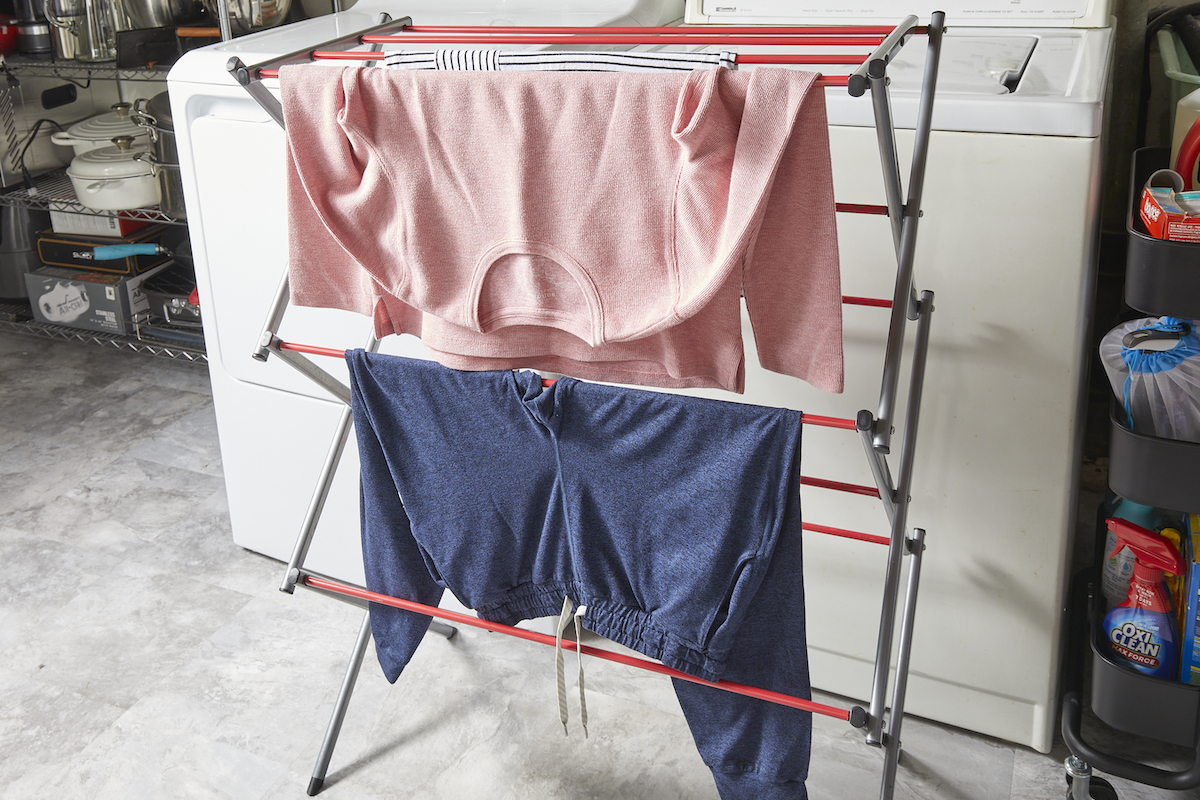
There’s no real downside to line drying your linens and clothes, except that it takes longer than using a clothes dryer. On dry winter days, drying your laundry on an indoor clothesline brings much needed moisture into your home. Air-drying clothes is also more cost-effective and environmentally friendly than machine drying. Plus, you’ll lengthen the life of your clothes when you line dry them, as the heat and friction of machine drying can take a toll on fibers.
Keep your home as dust-free as possible.
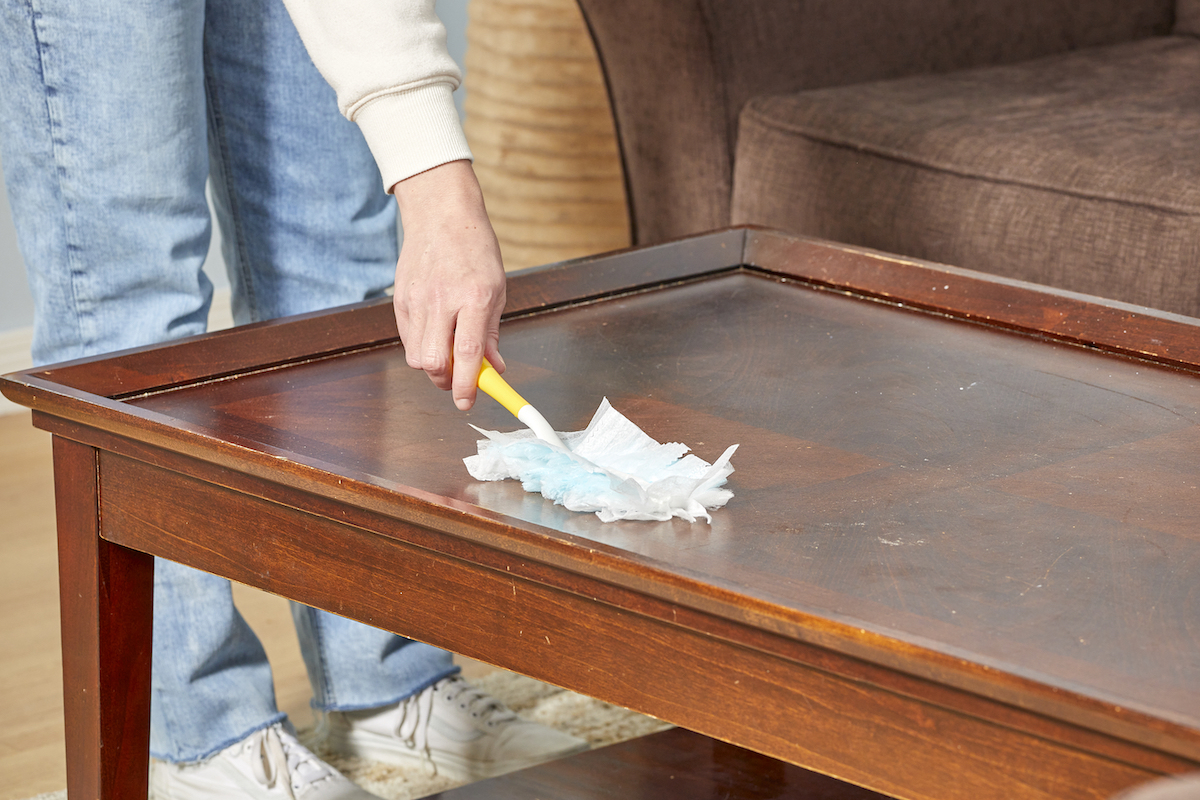
Because dry air can exacerbate sinus issues, it’s a good idea to take other sinus-problem-causing issues off the table. That means keeping the house as dust-free as you can. Dust surfaces at least once a week, and vacuum more frequently than you would at other times of year. Doing so goes a long way toward minimizing allergens, so you can breathe easy.
If it’s not too cold, crack a window.
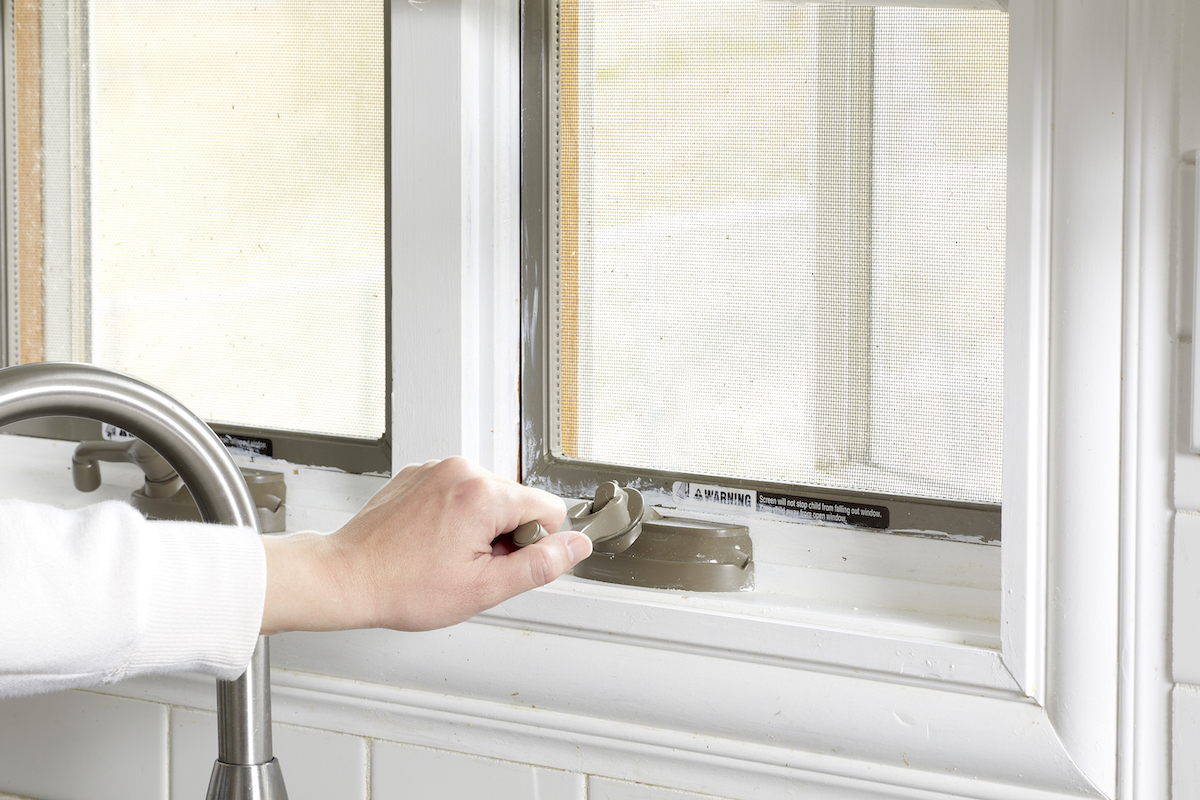
Take advantage of an unseasonably warm winter day to open the windows, if only for a brief time. Particularly if it’s rained recently, the fresh air will bring some humidity into your home.
Consider a commercial solution.
If you’re still struggling to add moisture to a dry room, consider the use of products that restore optional moisture levels. “Commercial products do exist, like moisture-holding gels and crystals designed to slowly release water into the air, working silently and without electricity,” Mitchell says. “They are usually non-toxic and safe to use around pets and children, making them a convenient option for increasing room humidity.”

The Homeowner Survival Kit
